Reports suggest China has tapped into a massive volcanic reservoir that could help power millions of homes across the capital region.
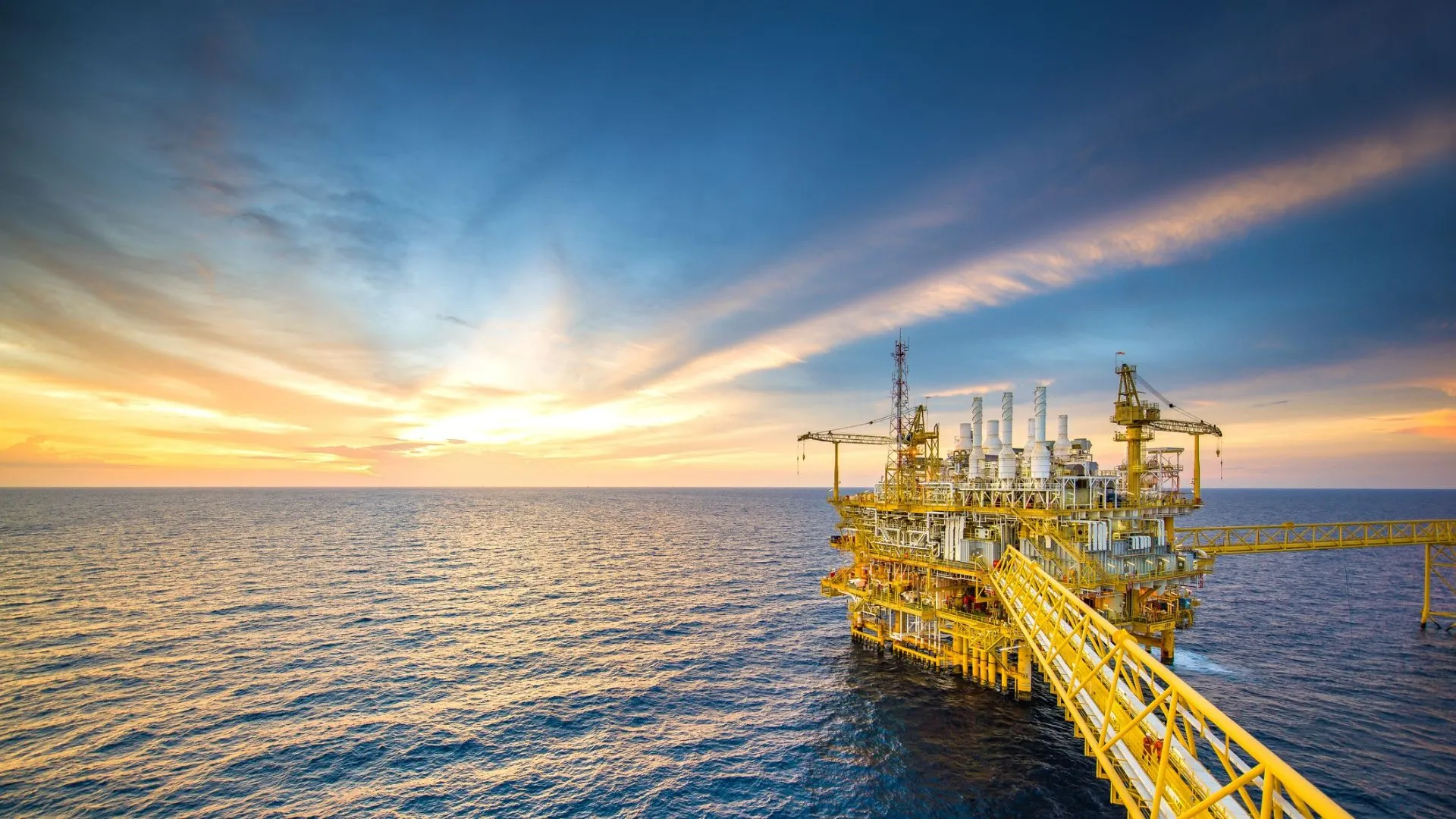
China National Offshore Oil Corporation (CNOOC) announced the discovery of a “high-yield volcanic oil and gas well” in deep formations of the central Bohai Sea. Reportedly, the reservoir lies 5,770 meters (18,930 feet) down in this region. The find sits adjacent to the Bozhong Sag, the largest hydrocarbon-rich depression in the Bohai Sea.
The discovery could support China’s push to extract natural gas from extreme offshore environments.
During testing, the well yielded about 800,000 cubic meters of natural gas per day from a cumulative gas-pay zone more than 120 meters thick in volcanic rock. For the Beijing-Tianjin-Hebei region and the broader Bohai Rim, this area serves as a vital energy lifeline.
“The success of this well has opened up a new play for offshore ultra-deep natural gas exploration and expanded the scope of deep oil and gas exploration in Bohai,” said Xu Changgui, chief scientist and chief geologist of CNOOC, as Reuters reported.
However, drilling at such depths comes with a lot of challenges. Extreme heat flow, intense tectonic activity, and complex rock structures make it difficult to predict underground reservoirs.
To overcome these obstacles, CNOOC independently developed multi-source broadband three-dimensional seismic technologies, along with new methods for identifying high-quality reservoirs in ultra-deep buried hills.
Gas-bearing pay zones in volcanic formations are underground layers of cooled magma and ash that hold commercially extractable natural gas. In sedimentary reservoirs, gas rests between sand grains, whereas in volcanic rock traps, gas is trapped inside tiny eruption-formed bubbles and tectonic fractures.
Source link