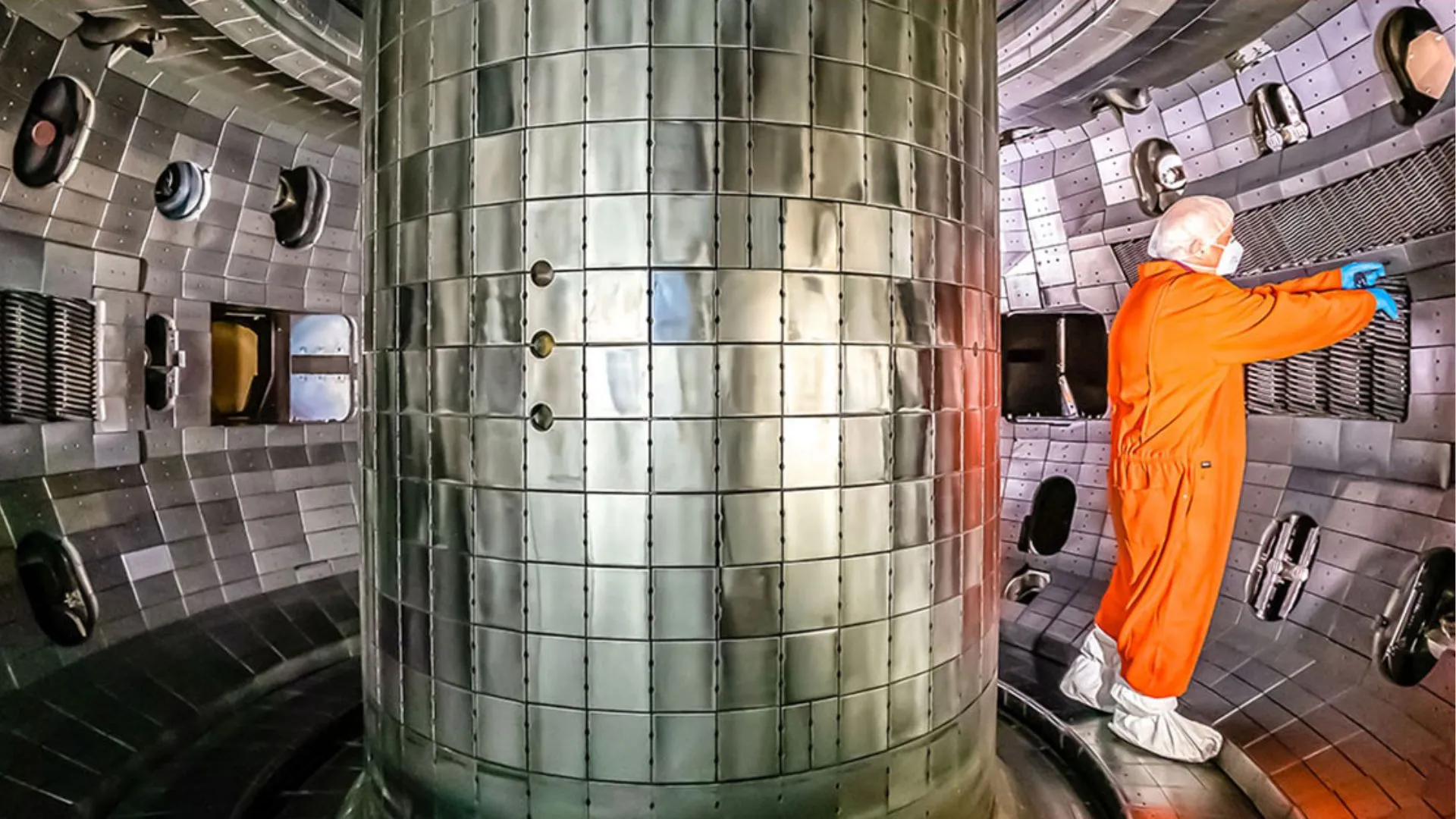
Big tech firms in the US are pouring billions into advanced nuclear power to feed energy-hungry artificial intelligence. Across the Atlantic, European scientists are tackling the technology’s biggest engineering headache: corrosive liquid salt.
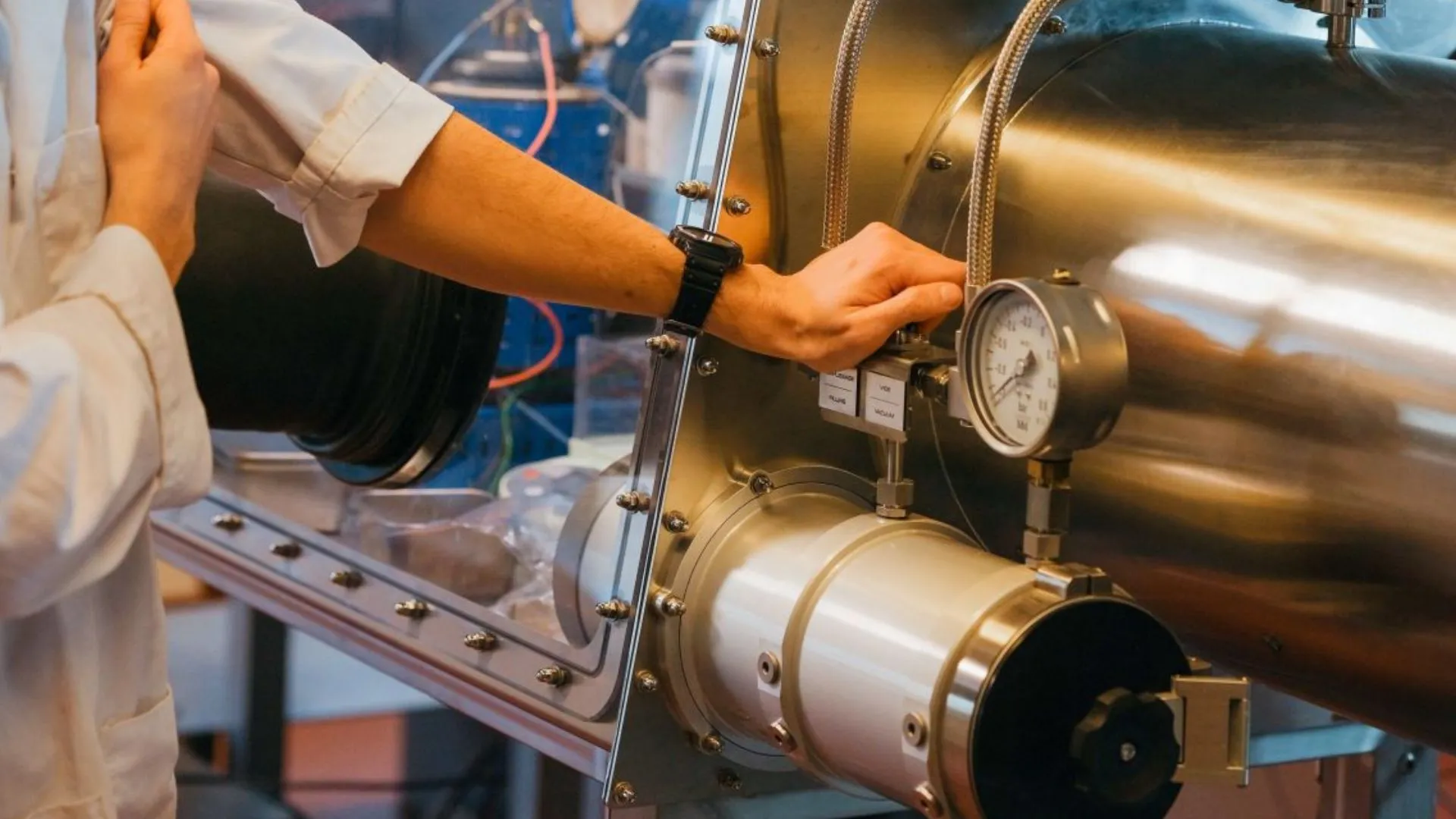
Dutch startup Thorizon has teamed up with research institute TNO. Together, they have launched an experimental materials program.
The goal is straightforward. They need to find metals that can survive inside molten salt reactors without failing. Early testing has already begun in Petten and Amsterdam.
Molten salt reactors run at near-atmospheric pressure and rely on passive safety mechanisms if power fails. They can also be configured to produce far less long-lived waste than conventional US commercial reactors. These traits make them attractive for data centres and heavy industry needing round-the-clock power.
Yet their internal environment is hostile. Liquid fuel salts operate at intense heat, often topping 1,000 degrees Fahrenheit. Over time, this mixture corrodes structural metals while radiation weakens them from within.
Thorizon plans to work around this problem rather than fight it indefinitely. Standard reactors rely on permanent vessels built to last half a century. Thorizon takes a modular route. It seals the liquid salt inside self-contained cartridges. Operators will simply pull out the old units and slot in fresh ones every five to ten years.
“Our cartridge design makes material degradation a manageable engineering challenge,” said Kiki Lauwers, chief executive of Thorizon. She noted that the new trials will give regulators and operators hard data on cartridge lifespans.
“This programme will provide the independent evidence needed to validate that design and give regulators and operators confidence in material performance and cartridge lifetime,” added Lauwers.
Source link