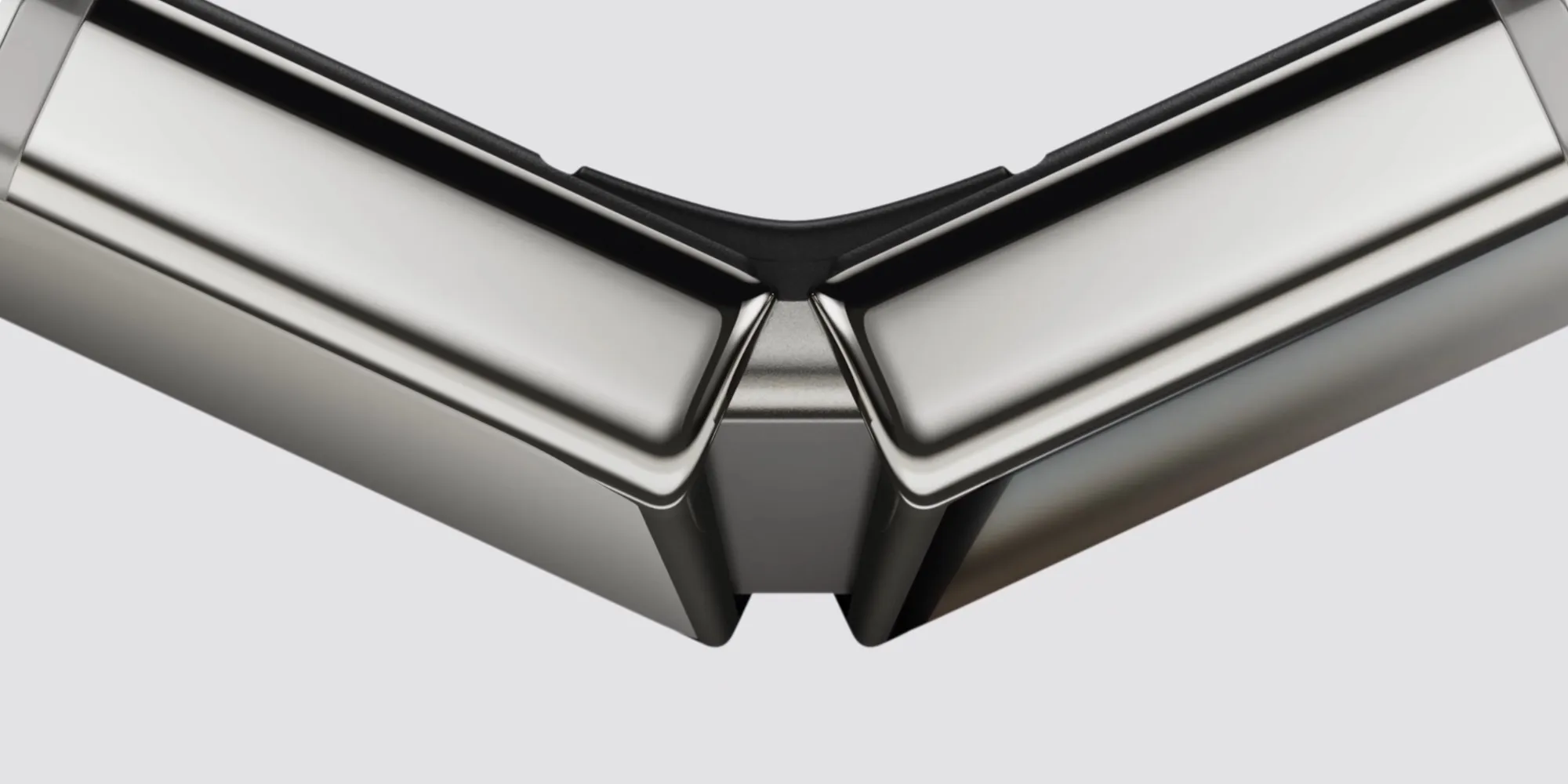
While a folding iPhone posed a new challenge for Apple’s thermal engineering team, they came up with a creative way to leverage the device’s hinge to their advantage. Here are the details.
PCMag recently sat down with Dan Murray, Apple’s vice president of silicon engineering, and Banafsheh Barabadi, the company’s senior manager of thermal product design, to discuss the architecture of the A20 Pro chip.
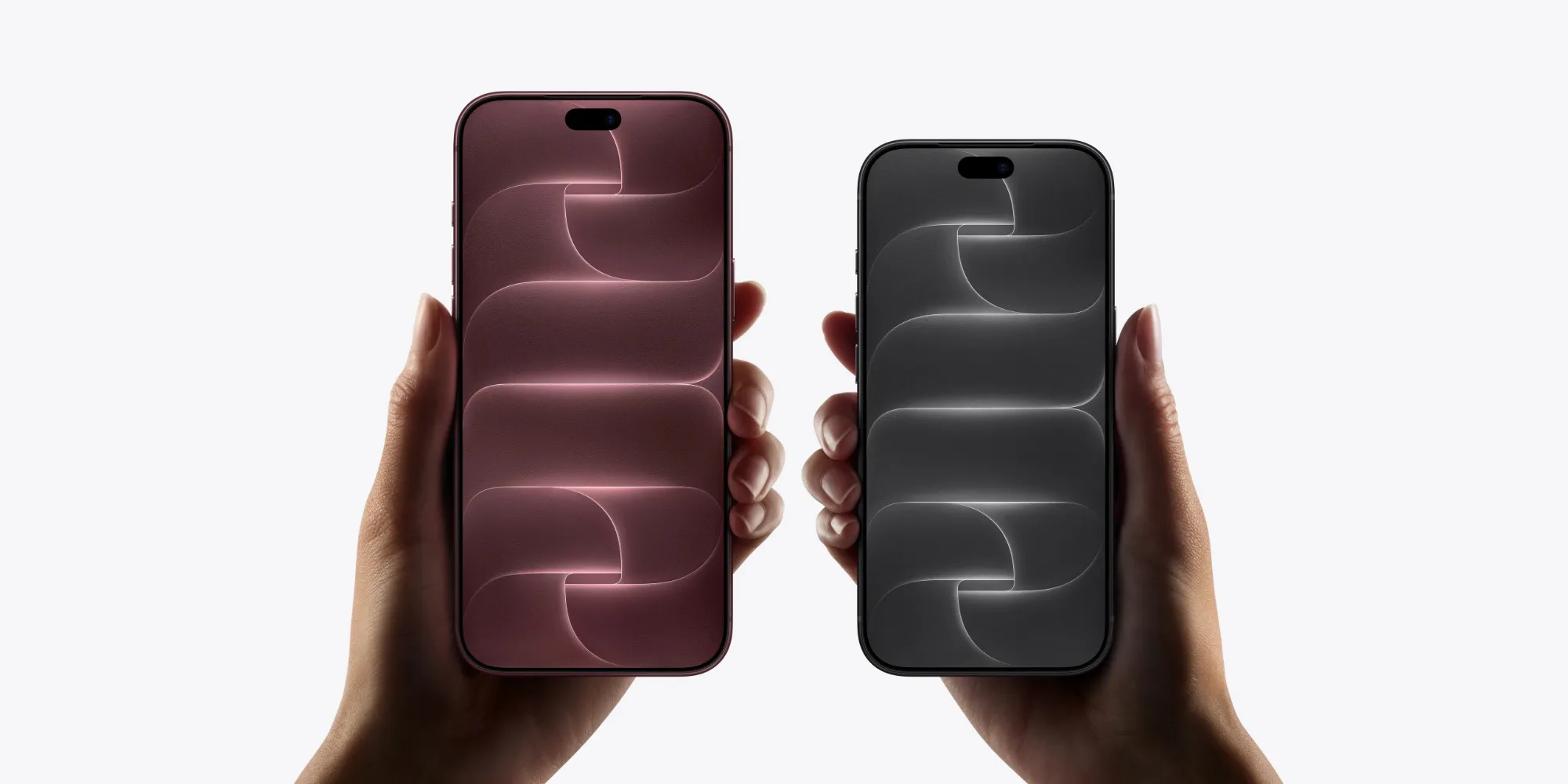
The new SoC, which powers the iPhone 18 Pro, iPhone 18 Pro Max, and iPhone Duo, is Apple’s first iPhone chip built on a 2 nm process, following the technology’s debut with the M6 chip in the Mac mini in August.
And while the A20 Pro was designed with all three new iPhones in mind, the iPhone Duo version packs some additional capabilities. These include a second display engine to run both screens simultaneously.
The iPhone Duo’s A20 Pro variant is just slightly different. “For iPhone Duo, we added a second display engine to support simultaneous operation of the inner and outer displays,” says Murray, “and with the increased CPU and GPU performance, we ensure we can deliver a smooth user experience across the displays. For the inner display, we also added support for placing the FaceTime camera behind the display.”
The report offers a really interesting, in-depth look at the A20 Pro’s thermals and the new vapor chamber Apple developed to keep them at bay. That includes what Apple calls “metal over foam,” a material that iFixit also examined during its recent teardown of the iPhone 18 Pro.
Source link