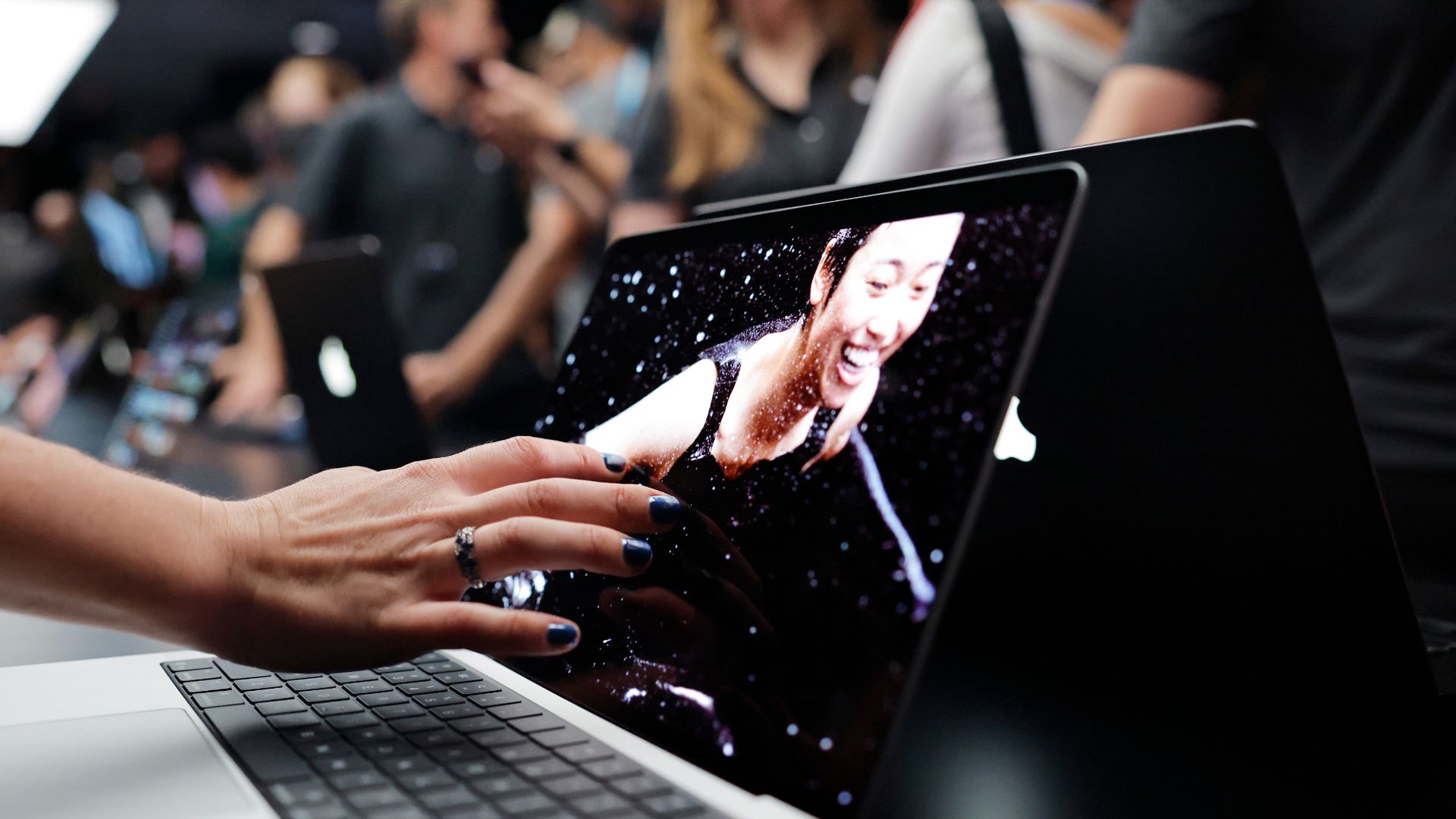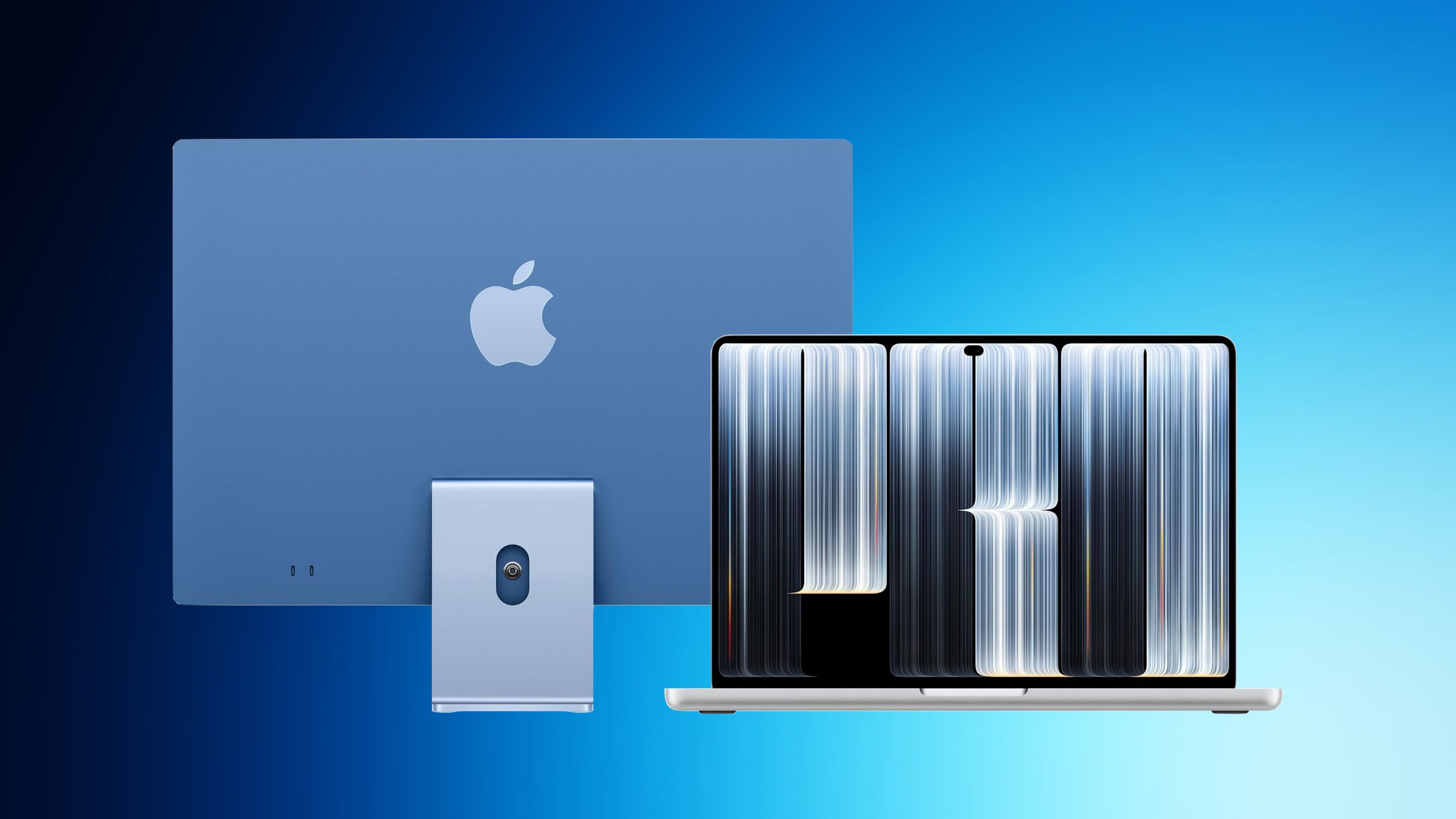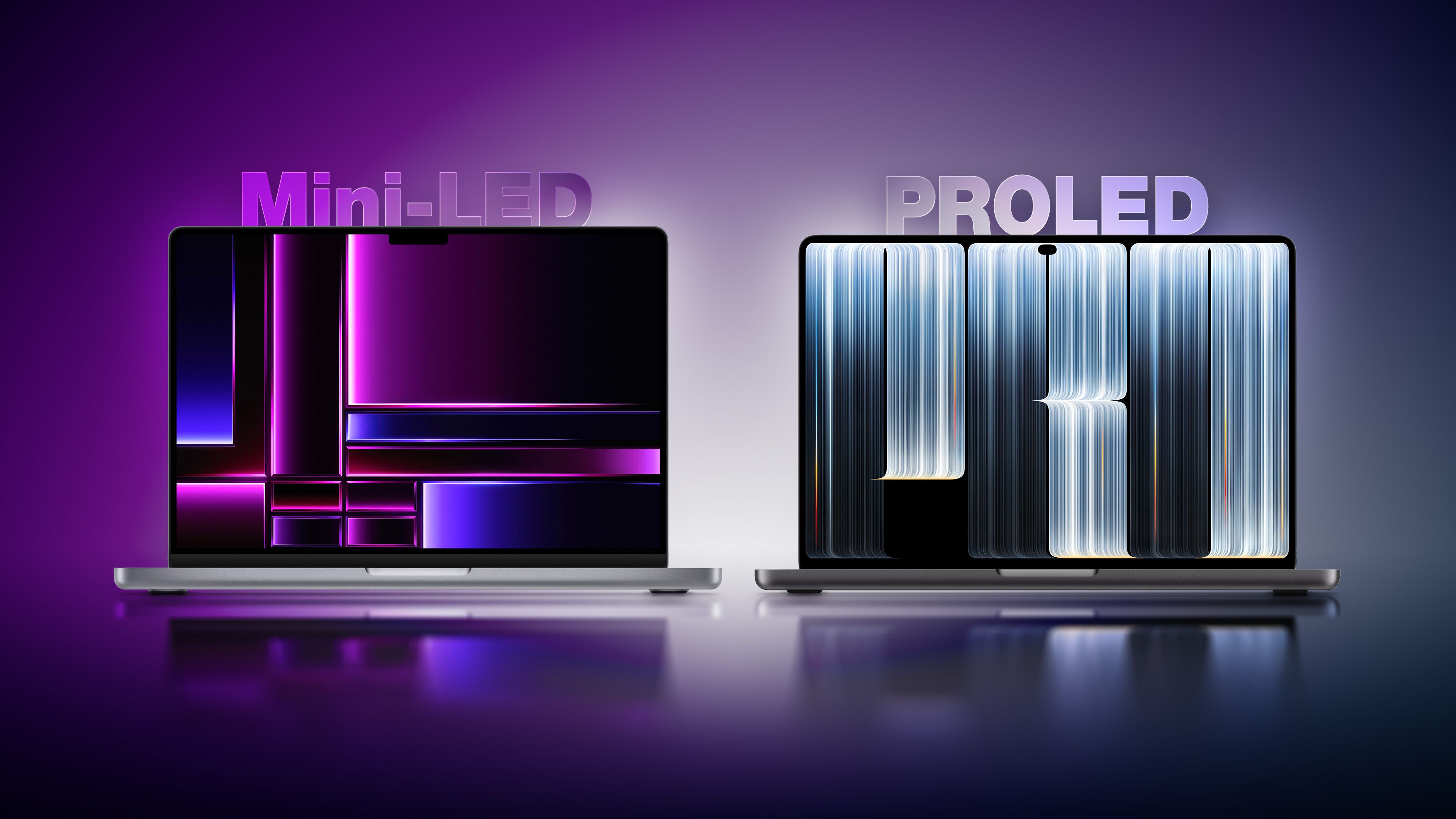
Apple's new MacBook Pro with PROLED XDR Display features tandem OLED technology, touchscreen input, the Dynamic Island , and a thinner, lighter design. It joins the existing Liquid Retina XDR models introduced in March 2026, with both versions offering the same M5 Pro and M5 Max chips. The PROLED models carry a $400 starting-price premium across equivalent sizes and chip tiers. The 14-inch M5 Pro starts at $2,499 with Liquid Retina XDR or $2,899 with PROLED XDR, while the corresponding 16-inch models start at $2,999 and $3,399. With chip options, memory capacities, and battery life unchanged, the decision largely centers on how much you value the new display, touch interaction, and slightly improved portability. Here are all of the differences between the Liquid Retina XDR and PROLED XDR MacBook Pro models: Display
Dedicated display engine, compensating for content, temperature, environment, and individual pixel usage over time
Up to 1,000 nits sustained full-screen SDR brightness and 2,000 nits peak outdoor SDR brightness
Multi-Touch sensor integrated directly into the display panel, rather than layered on top, to reduce latency and bulk
Both versions deliver up to 1,000 nits of sustained full-screen HDR brightness, so PROLED's 2,000-nit peak does not necessarily mean the display is twice as bright across every task. Both retain a 1-nit minimum brightness, True Tone, support for one billion colors, and a 254-pixel-per-inch density. Reference Modes and Color Workflows
Apple's Liquid Retina XDR and PROLED XDR specification sheets list the following reference-mode differences: Liquid Retina XDR MacBook Pro PROLED XDR MacBook Pro
Source link