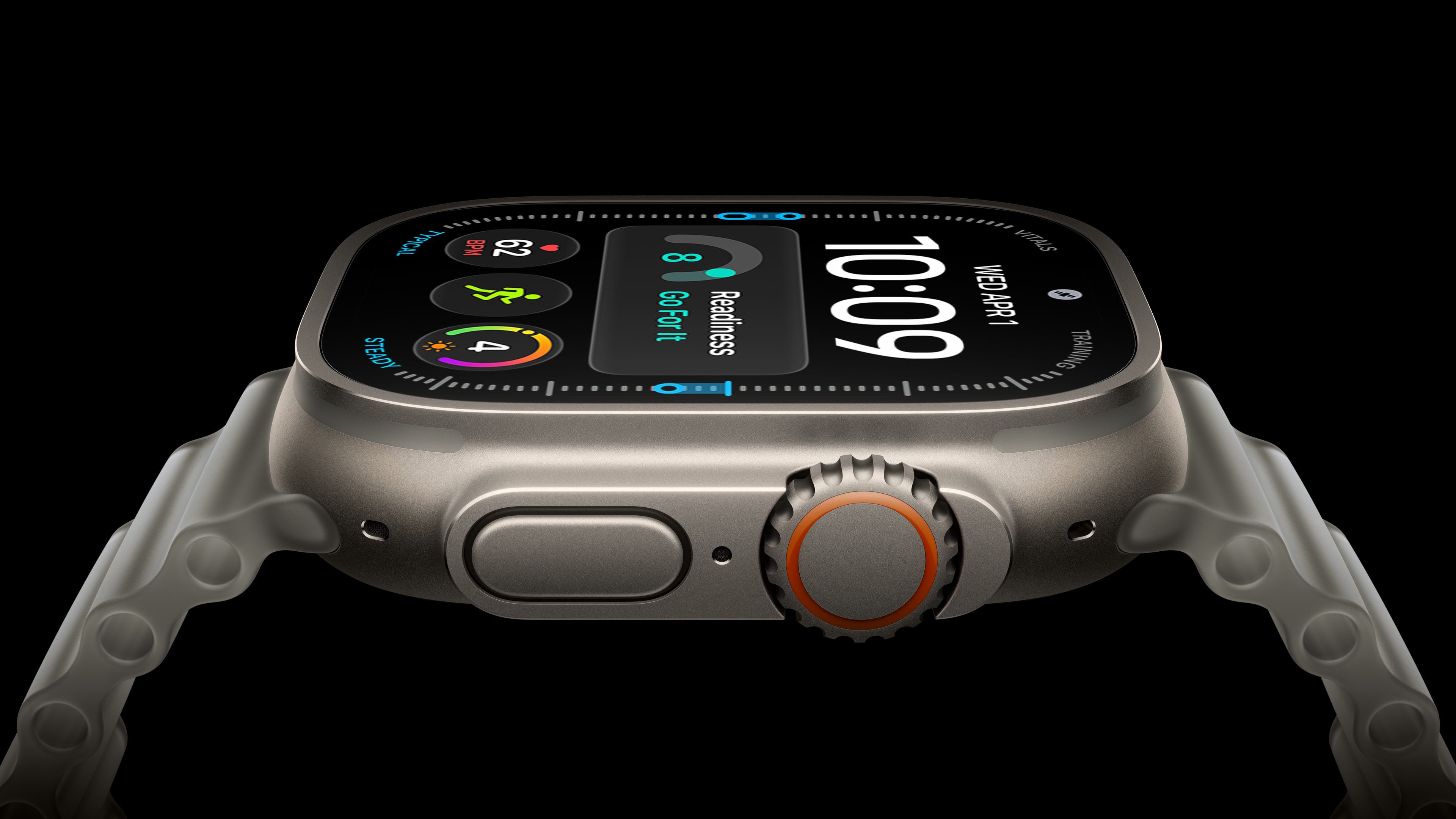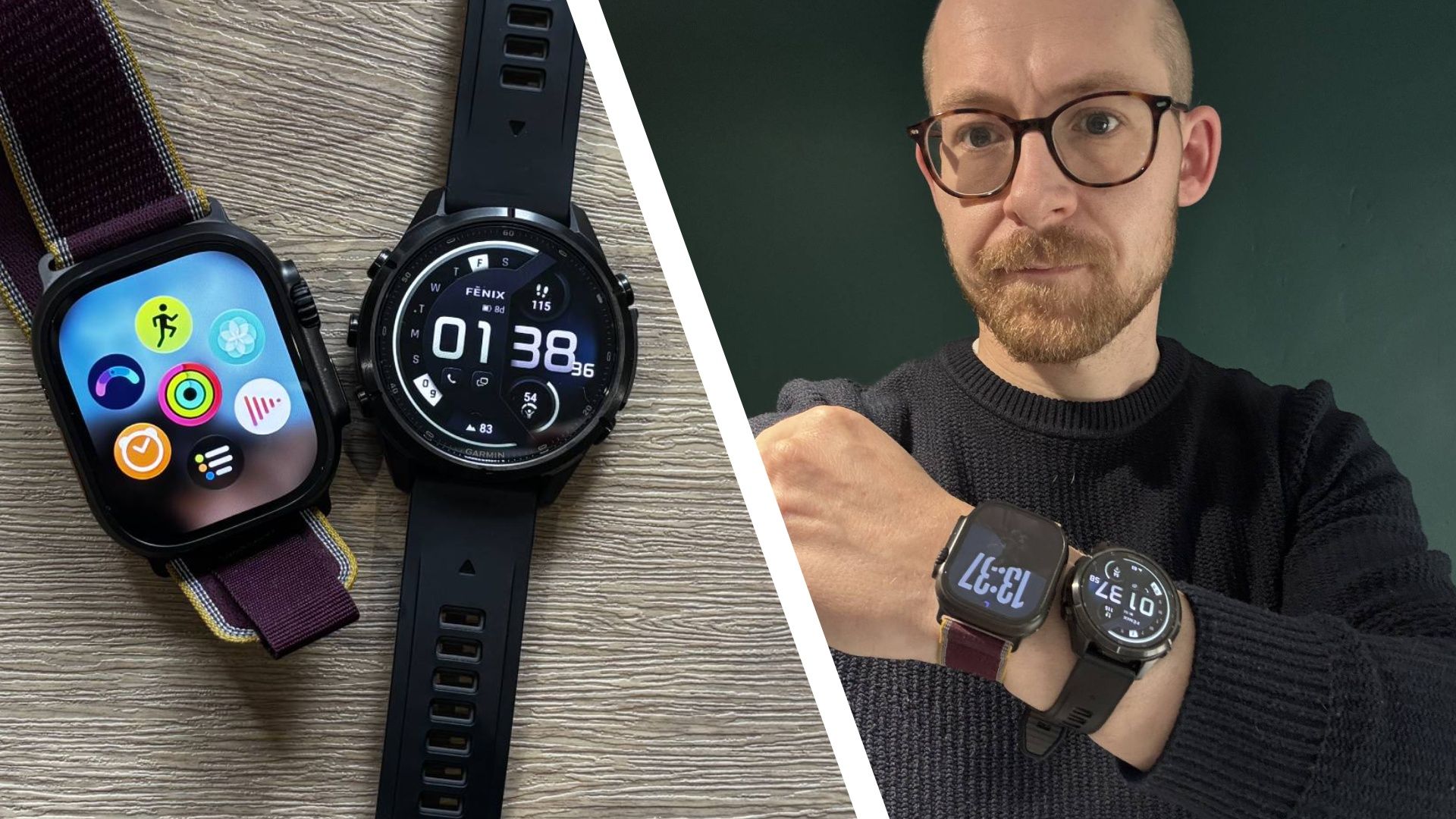
The Garmin Fenix 9 Pro and Apple Watch Ultra 4 are two of the best (and most expensive) smartwatches to come out this year. But just how accurate are they?
Much has been made of Apple's redesigned Health Sensing System, supposedly the most accurate ever on a wearable. It certainly measured my sleep well enough, and Apple says it tested its accuracy by pitting it against an electrical heart rate monitor — which, funnily enough, is my process for reviewing smartwatches too.
I set out to find out how accurate Apple and Garmin's best smartwatches were by putting them against each other in a head-to-head battle, wearing them both during a 30-minute run, one on each wrist. To create a benchmark, I wore an ECG-capable electrical heart rate monitor on my chest, just like Apple's own tests; I used the Frontier X2.
The 30-minute run was more challenging than usual, because it was a very hilly route with a long incline as the midpoint — it certainly made my heart rate spike.
The figure I'm most interested in during these tests is average heart rate. I recognize that different companies use different processing algorithms, so you'll never get a 1-1 match on all heart rate data points: all you can look for is consistency in your wearable of choice, and to make sure it's generally telling the same story as a benchmark-level tool such as a chest-mounted electrical HRM, which are generally more reliable than LED-based sensors.
The closer the average heart rate, calculated by the wrist-based LED-using wearables, can get to the average heart rate calculated by the electrical HRM, the better.
Source link