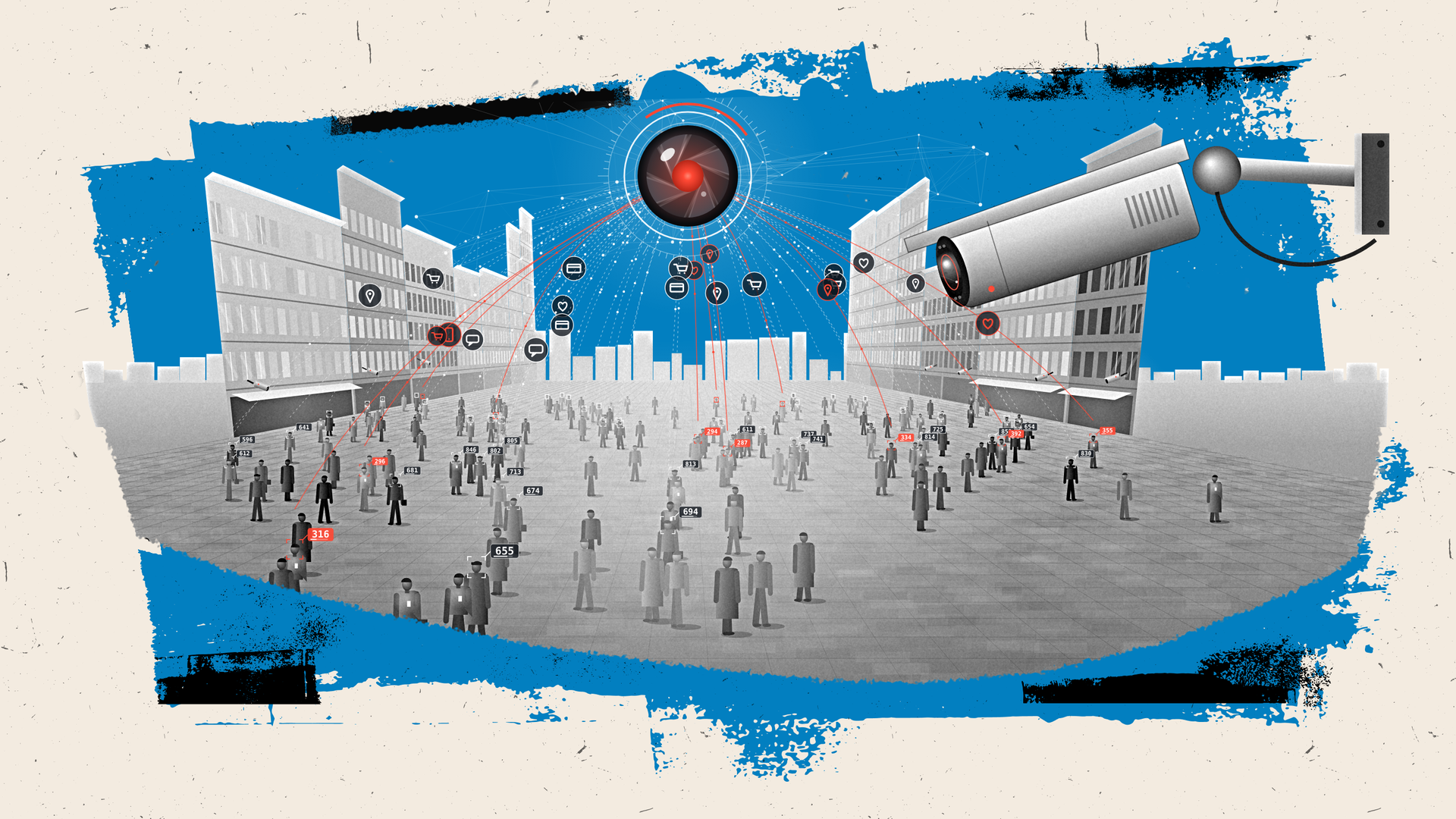
Earlier this month, Chinese researchers published an interesting study on the impact artificial intelligence (AI) could have on the nation’s social credit system (SCS). To cut a long story short, the researchers concluded that combining the two could lead to a “large-scale surveillance tool.”
The study also highlighted that, contrary to popular belief, China’s SCS is not one large, all-encompassing system spying on its citizens. Instead, it is a collection of regulatory blacklists, financial credit audits, and other standalone systems that are not centrally controlled.
Adding AI to the mix could, it is argued, make it what many people already fear. But for other nations, especially in the West, could similar initiatives not only erode citizen trust in government, but also pose a very real threat to our personal digital lives?
“The risk in democracies is less likely to be one central score and more likely to be a thousand private ones nobody voted for,” Jonathan Chang, Board Director at 0G Foundation, explains.
As you are probably more than aware, large-scale digital surveillance is not unique to China. Many Western citizens are already routinely evaluated by numerous independent systems.
On a case-by-case basis, many of these systems serve legitimate purposes. But, just like China, the problem arises when data collected for one purpose is repurposed to make decisions in an entirely different context.
To make this easier to grasp, imagine an insurer using your purchasing history on Amazon or eBay to make a judgment on your physical or mental health.
Source link