USA Rare Earth has partnered with French quantum computing company Pasqal and industrial AI specialist Riven Systems to develop more efficient ways of separating rare earth elements in the United States.
Announced on September 17, the project will use quantum machine learning and automated laboratory experiments to identify molecules that bind more effectively to rare earths.
The companies hope the approach will enable smaller processing facilities that consume less energy and cost less to operate.
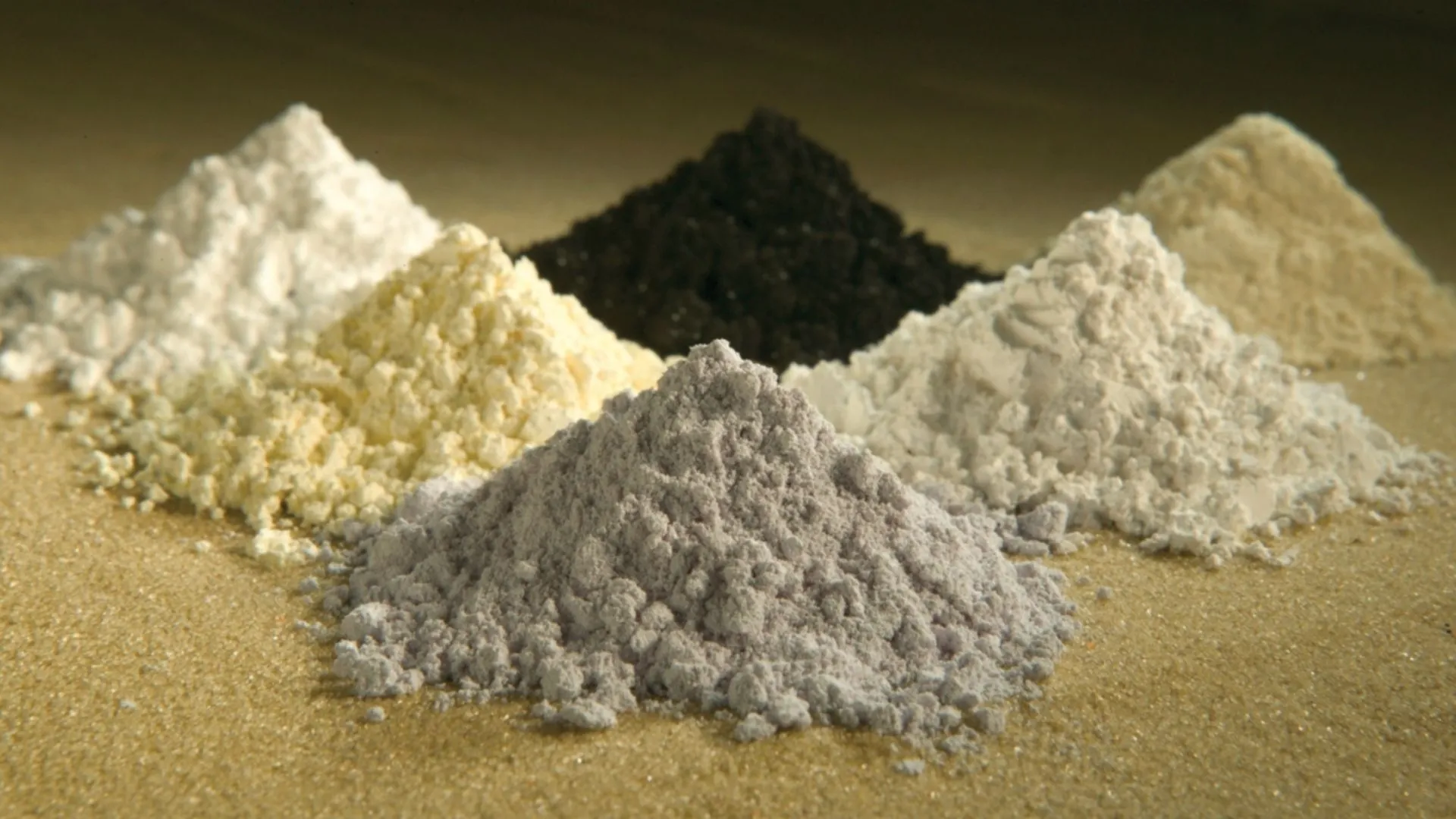
Rare earth separation involves converting mixed material into individual oxides used across advanced manufacturing and other strategic industries. China currently leads this part of the supply chain, particularly for heavy rare earths such as dysprosium, terbium and yttrium.
“The key challenge the rare earth industry outside Asia faces is to separate the Mixed Rare Earth Carbonate (MREC) produced in upstream operations into individual, separated oxides,” said Alex Moyes, senior vice president of upstream operations in the US at USA Rare Earth.
Instead of relying primarily on lengthy trial-and-error testing, the partners intend to create a data-driven system for discovering extractants.
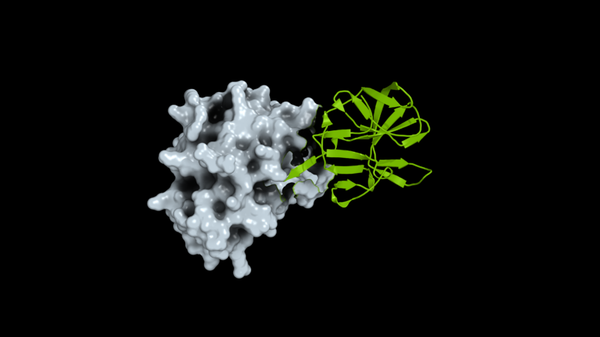
These chemical molecules selectively bind with particular rare earth elements during processing, helping operators separate them from mixed feedstocks.
A more effective extractant could reduce the number of processing stages required, as well as the amount of equipment and raw materials used. USA Rare Earth said this could lower both the capital and operating costs of its future facilities while reducing their environmental footprint.
Under the planned project, Riven Systems will use its self-driving minerals-separation laboratory to conduct thousands of automated experiments.
Source link