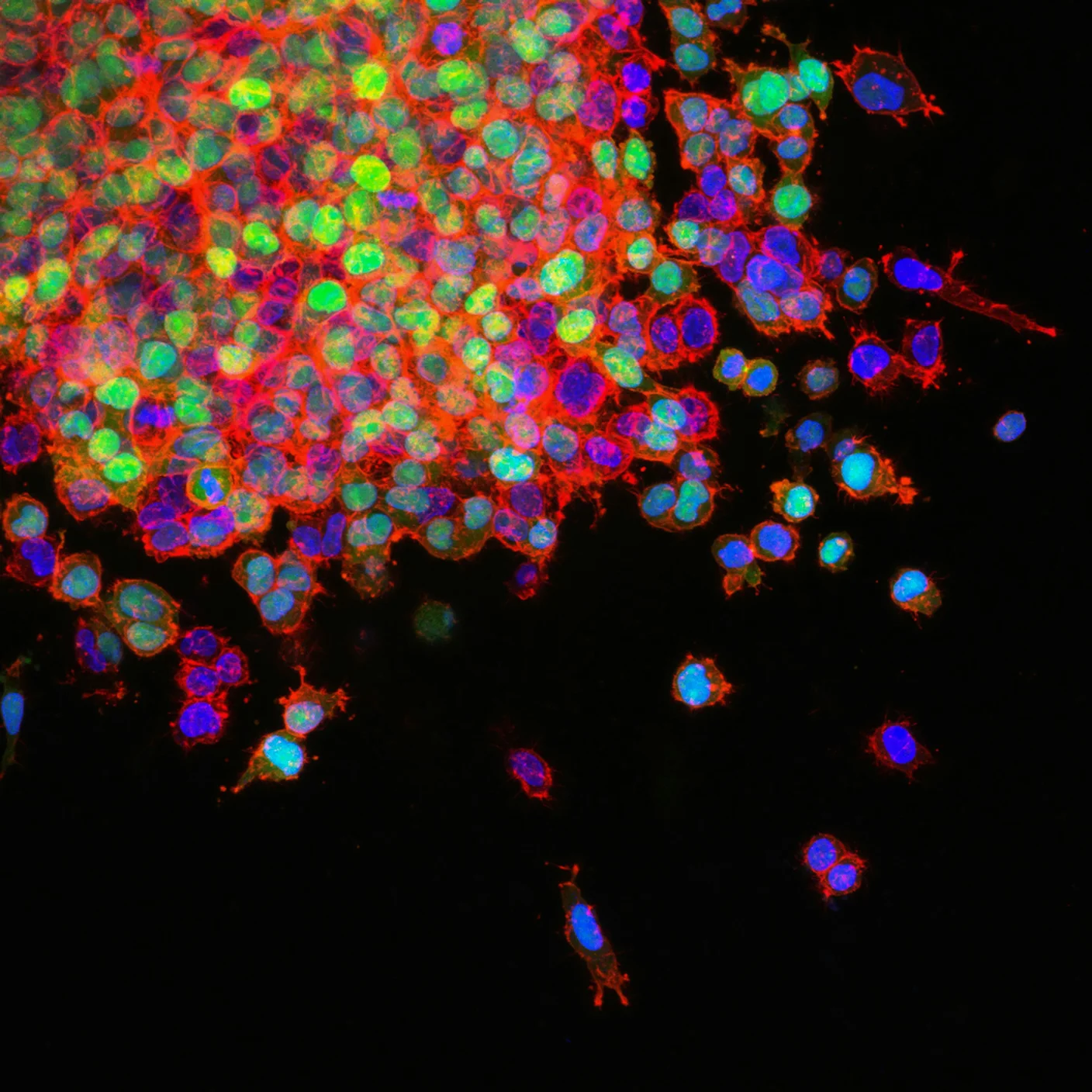
The boy, whose liver cancer had spread to his lungs, suffered no dangerous side effects and remained cancer-free a year later.
At just three years of age, the boy had already been through the medical ringer.
A tumor roughly the size of a large orange had invaded his liver and spread to his lungs. Multiple surgeries and rounds of chemotherapy temporarily cleared the cancer. But it rapidly came back.
With few options left, his parents enrolled him in an experimental CAR T cell therapy trial. The approach, which involves genetically reprogramming immune cells, has transformed the treatment of stubborn blood cancers. But when it comes to solid tumors, including liver cancer, CAR T has fallen frustratingly short.
The trial, run by Baylor College of Medicine in Texas and collaborators, is testing CAR T cells specifically engineered to hunt down and destroy cancer hidden in organs. The cells carry genes that help them grow and persist and a “kill switch” to rein them in. They’ve shown promise in mice, but treating a toddler, already weakened by grueling interventions, was a gamble.
It paid off. After two infusions of CAR T cells made from the boy’s own immune cells, his cancer disappeared. A biomarker associated with liver cancer plummeted, and he experienced no dangerous side effects. A year later, he remained cancer-free. The story of his recovery was published this month in the New England Journal of Medicine.
Although it’s just a single clinical case, the results show “a durable complete response in a chemotherapy-resistant solid tumor can be achieved entirely in the outpatient setting without systemic toxicity,” study author David Steffin at Texas Children’s said in a press release .
Source link