

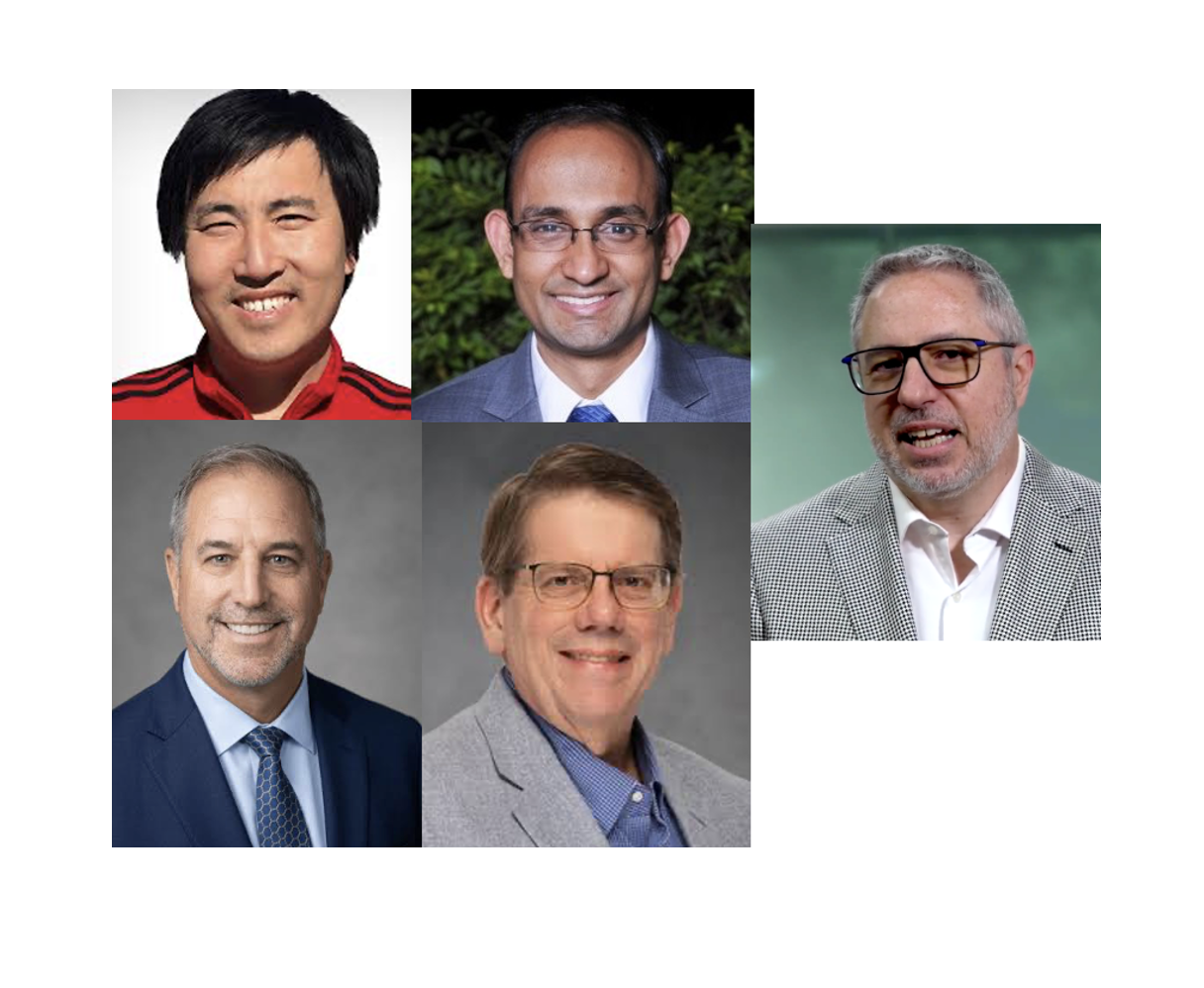
Experts at the Table: Semiconductor Engineering sat down to discuss the impact of heat on photonics, transient behavior, and system reliability, with Lang Lin, director of product management at Synopsys; Jack Berg, vice president of business development at Silvaco; Satish Radhakrishnan, head of semiconductor and electronics at Vinci; Chris Mueth, director of new markets management at Keysight EDA; and John Ferguson, senior director of product management at Siemens EDA. What follows are excerpts of that conversation, which was held behind closed doors at the recent Design Automation Conference. This is the second of a three-part series. Part one is here.
SE: Moving data takes power, which generates heat. So how do we keep data moving while still remaining within the power budget? Is the solution photonics? Even there, heat can cause issues.
Mueth : Photonics has a lot of promise for reducing data center bottlenecks, but it can’t be scaled right now. Building a large mesh switch requires many components, and you have high losses. So you have to revisit the whole architecture for how things are done in photonics and do them differently, probably in a modular style that’s scalable. Another issue is heat sensitivity. You have to stabilize that. But even then, your photonic structure is going to have heaters in it because these have to be controlled. And if you have a large mesh switch, the amount of control you need is significant. So how do you calibrate your structures through that chip to get enough performance when you may have thousands of heaters that you have to control?
Source link





