Welcome to Kernel Panic, a weekly newsletter by Lily Hay Newman and Matt Burgess from inside the new world of privacy and digital security. To receive this newsletter in your inbox each week, sign up here.
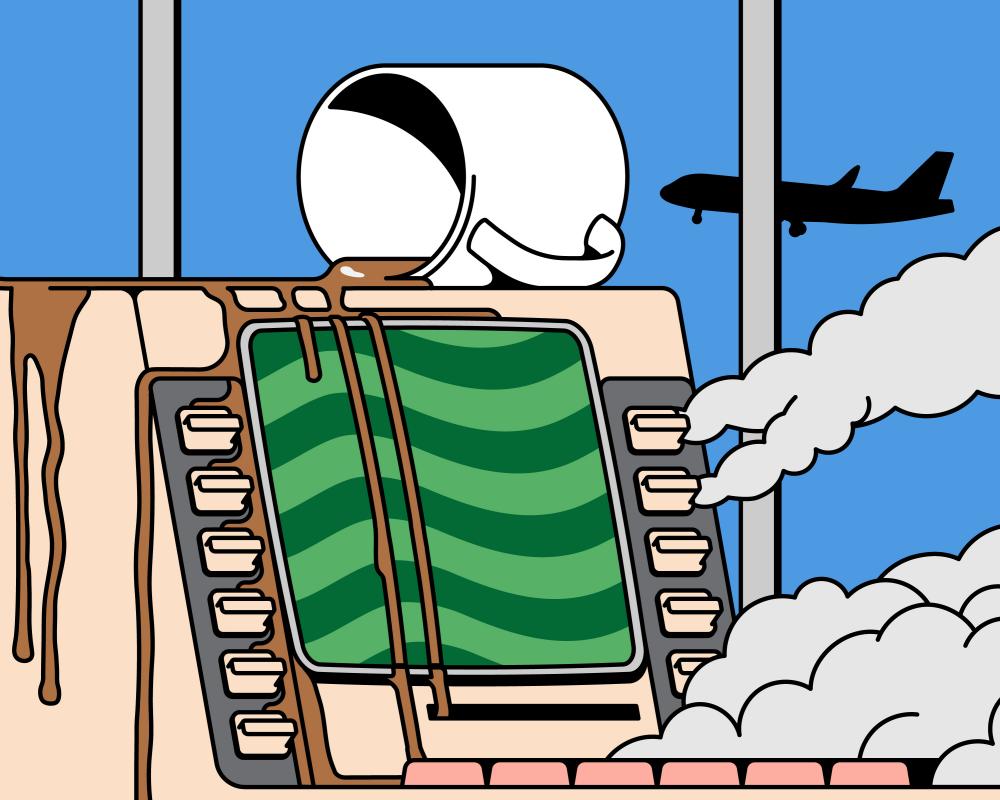
Over the last week, you have surely noticed the disruptive streak of technical outages that hit everything from Outlook to Apple, a half dozen US banks, United Airlines, and even the NSA’s classified network. While there’s no evidence that these were cyberattacks, speculation has run wild about the cause—including a pervasive feeling that AI is to blame.
So let’s just be clear: The incidents were definitely not caused by some sort of coordinated AI hacking spree and, taken individually, they all seem to have routine explanations. But as AI impacts the dynamics of digital defense more and more, security researchers and analysts have increasingly concluded that AI pressures are starting to play a role in real-world tech failures.
AI-assisted vulnerability discovery has unleashed a torrent of software bugs. Attackers are then using AI tools to exploit those vulnerabilities faster, which puts more pressure than ever on organizations to quickly patch their systems. This leaves often under-resourced IT teams scrambling to evaluate a massive number of patches and push the updates to systems on which countless people and organizations rely. Researchers and practitioners have told us again and again that AI’s biggest impact is that it speeds everything up.
Microsoft’s massive 365 outage last week was caused by a flawed update in its infrastructure exacerbated by other network failures.
Source link