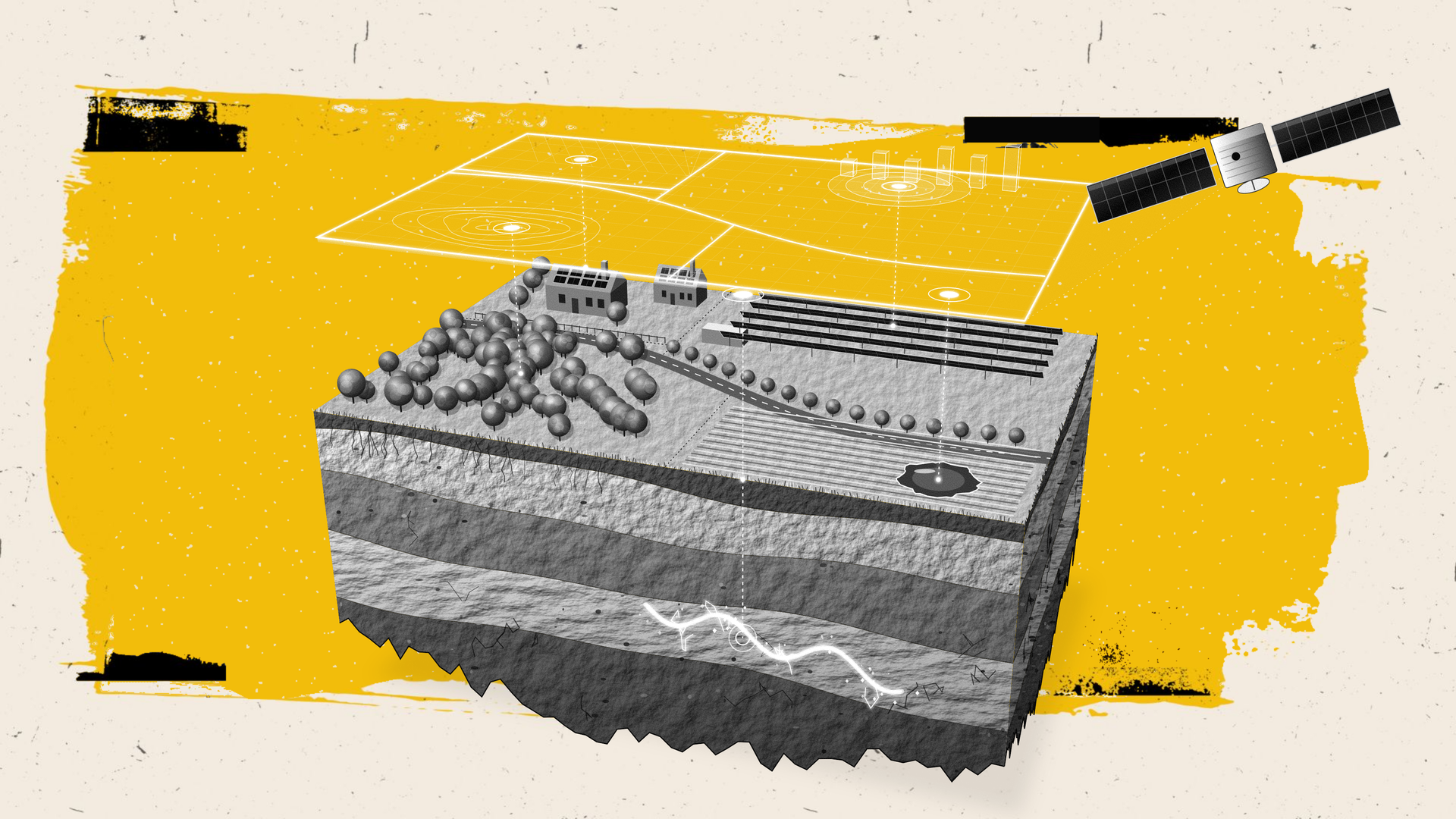
For most of modern history, land has been treated as a static asset. A parcel has an address, an owner, a zoning designation, perhaps a transaction history and a few documents attached to it. A mining district has geological maps and decades of exploration reports, and an industrial facility has energy meters, weather data, and operational records.
The problem, though, is that the world itself does not remain static. Weather changes, energy demand fluctuates, vegetation grows or disappears, and wildfire risks shift. And somewhere inside decades of geological data, there may be a copper deposit that nobody has noticed.
A new generation of tech startups is now betting that the answer is to make these physical assets continuously intelligent. While their technologies and industries are different, the underlying idea is similar: the physical world is generating enormous amounts of data, and the next challenge is figuring out how to continuously interpret it.
Croatian startup Earth Ledger’s starting point is deceptively simple. Instead of treating a parcel as a row in a land registry, the company wants to treat it as a living digital object. That means combining satellite imagery, geographic information systems, environmental information, infrastructure data, energy information, ownership information, and other datasets, then continually updating the intelligence associated with a specific piece of land.
Joshua Well, co-founder and CEO of Earth Ledger , says the idea grew out of his more than 10 years working in global conservation. “The goal of conservation in many ways is to help identify, quantify, and connect ecological services at scale to the people who own them,” Well tells Interesting Engineering (IE).
Source link