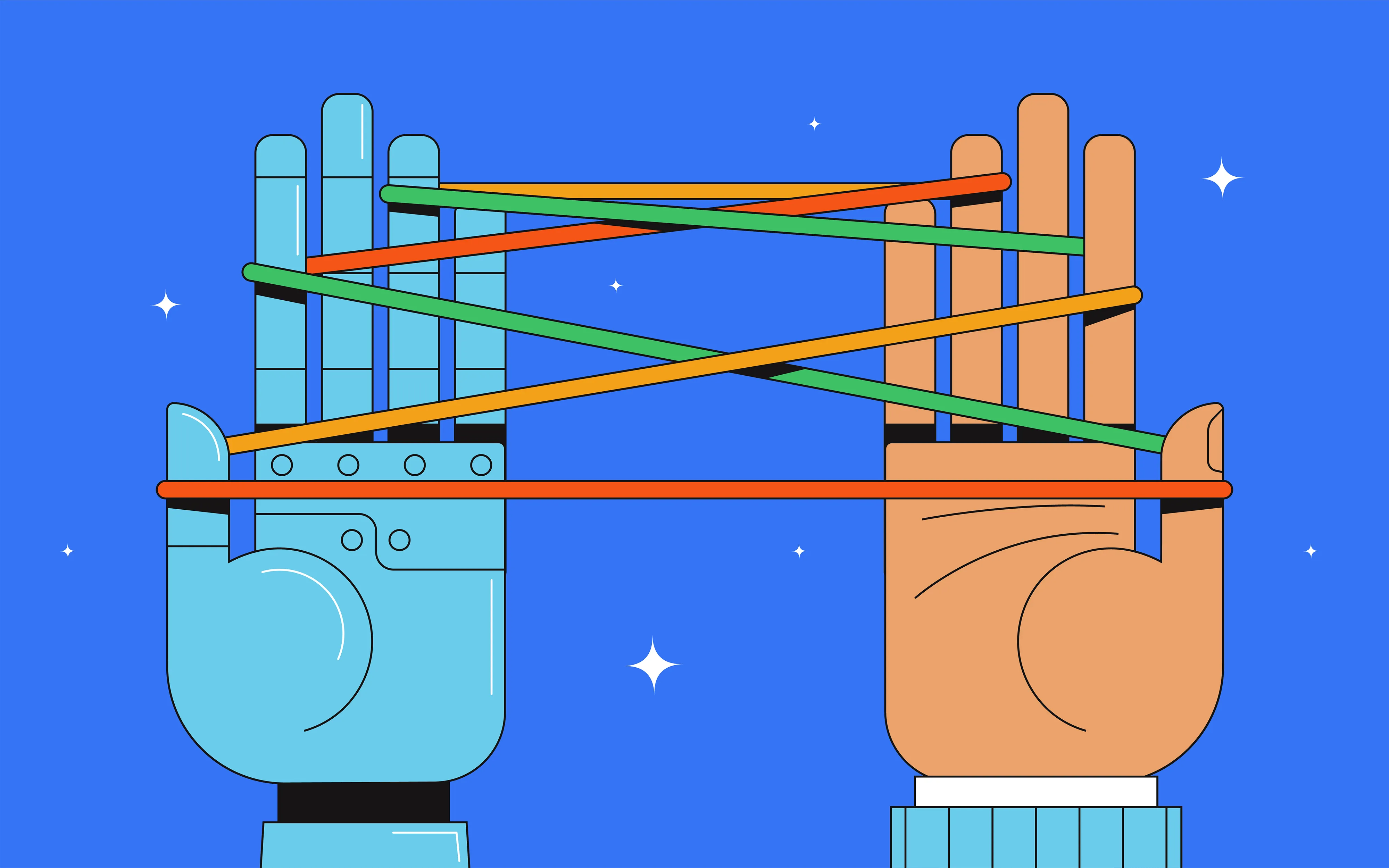
Modern engineering projects increasingly combine human judgment with machine capability. An engineer can define a problem, then ask an artificial intelligence tool to search relevant research and technical standards, generate design options, test them in simulation, and compare the results. The engineer can then bring the results to specialists who understand the parts AI cannot judge on its own, such as whether a design can be built safely, whether it makes sense in a particular setting, or how it might affect its users. The final decision about whether and how to move forward remains a human responsibility.
AI can help engineers do early project steps that once required several people with different technical skills. The engineer’s role is therefore expanding from performing each technical step to deciding how people, machines, and specialists’ knowledge should work together on the project.
Engineering has always been divided into disciplines, and for good reasons. Electrical, mechanical, civil, software, and other engineering fields require deep knowledge that takes years to develop. AI does not replace that need. It simply changes how easily engineers can explore the parts of a problem that sit outside their own specialty.
Consider a software engineer working on a medical device. AI can help the engineer review relevant biomedical research, understand unfamiliar terms, analyze data, and build an early model.
That does not make the engineer a physician or biomedical expert. It allows the engineer to ask better questions before working with the experts.
The same is true in energy , transportation, manufacturing, and many other fields.
Source link