Self-driving cars are often controlled by deep learning models that sometimes fail in unexpected situations. For instance, the car might inexplicably brake and block the path of an oncoming emergency vehicle. A human driver or passenger may need to react rapidly to prevent a collision.
To help humans better anticipate a vehicle’s mistakes, researchers from MIT and autonomous vehicle technology company Motional developed a new method that provides clear explanations of the underlying model’s decisions.
Usually, the internal reasoning process of a deep learning model is opaque and difficult to understand. But the new method, called the Concept-Wrapper Network (CW-Net), translates that reasoning process into concepts that faithfully describe the autonomous vehicle’s decisions without altering its driving performance.
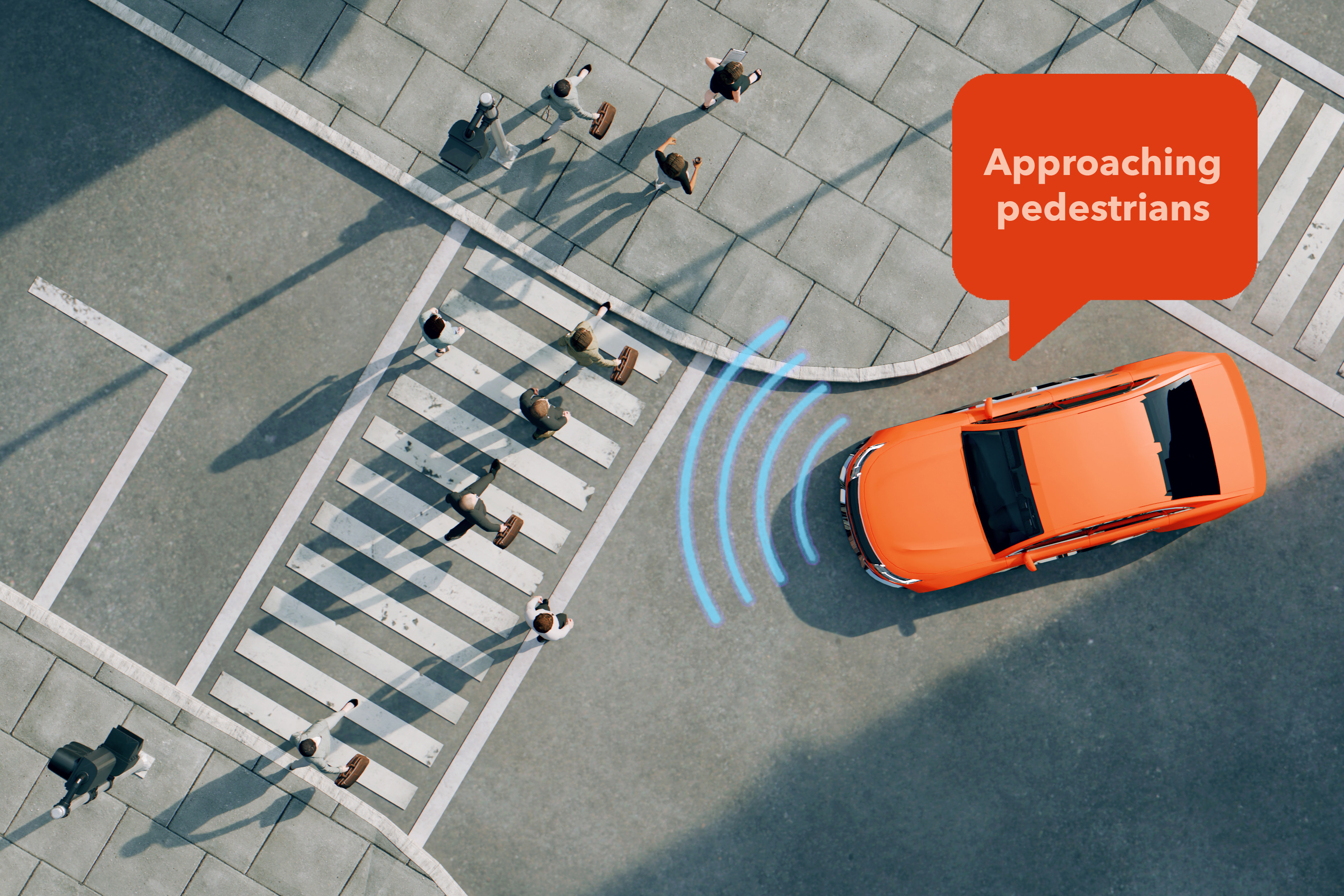
CW-Net explains the decisions of machine learning-based planners using understandable concepts, like “approaching stopped vehicle” or “close to cyclist.” These explanations can correct misconceptions drivers and passengers have about vehicle behavior and improve their situational awareness.
In road tests on a private track, CW-Net explanations helped safety drivers more accurately predict vehicle behavior; a larger simulation study with nonexpert users yielded similar results. These experiments show how CW-Net can provide important feedback for engineers as they troubleshoot in-vehicle artificial intelligence systems. In the longer term, this technique could boost the safety and transparency of autonomous vehicles, while building appropriate trust in drivers and passengers.
“This work shows how explanations are supportive to the human’s mental model and understanding of the behavior of a system, and how it could be used in engineering and development to improve the technology,” says Julie Shah, an MIT professor of aeronautics and astronautics, director of the Interactive Robotics Group in the Computer Science and Artificial Intelligence Laboratory (CSAIL), and co-senior author of the paper on CW-Net .
Source link