The versatile, open-source tool could democratize efforts to engineer healthier, higher-yielding crops.
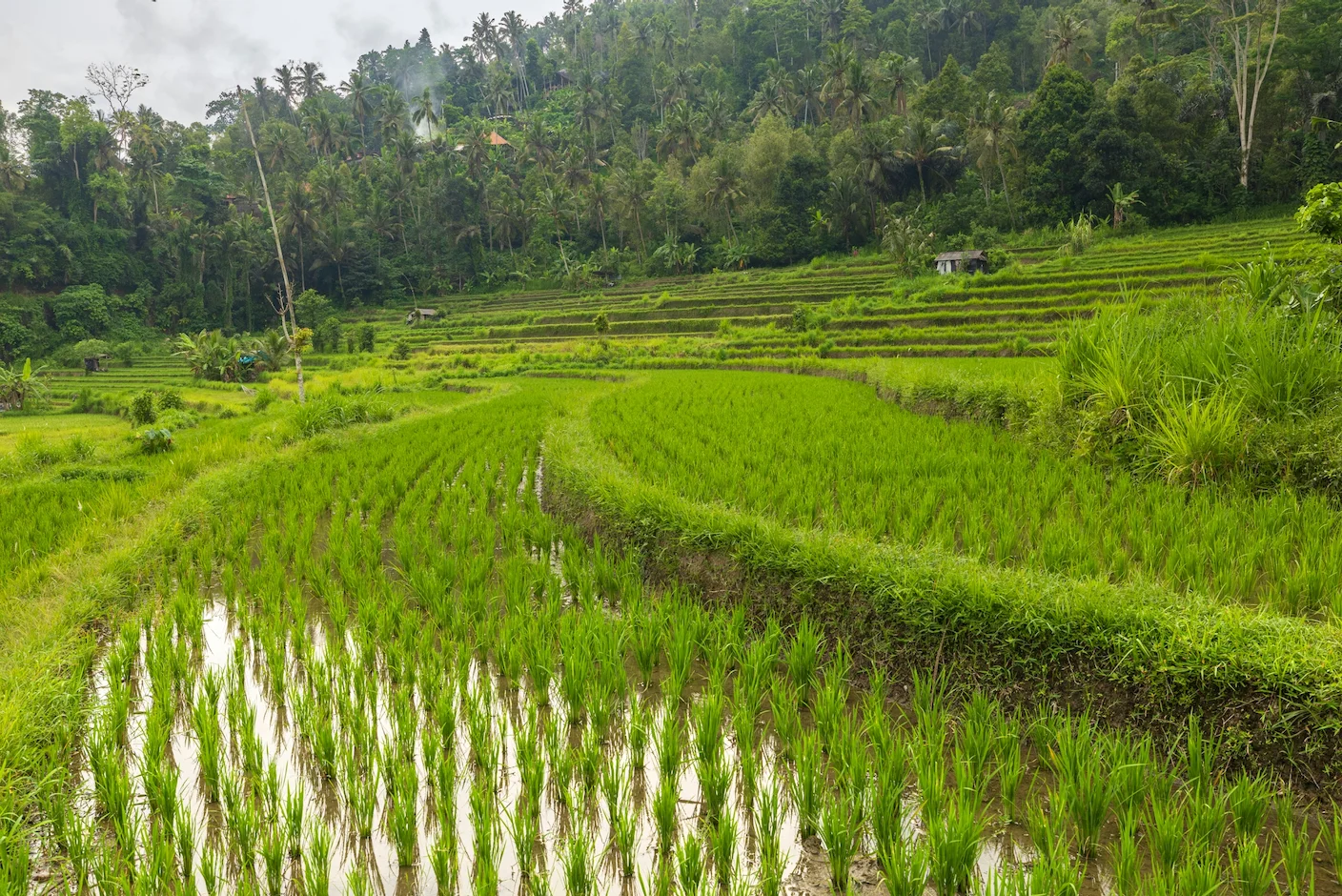
In many cultures, if rice isn’t on the table, it’s not a full meal. Yet the crop is constantly under attack. Bacterial blight is one of rice’s most destructive diseases, causing yield losses up to 50 percent. One culprit, a microbe called Xoo, genetically hijacks the plant’s metabolism, coaxing it to release sugars that fuel the invader’s growth and spread. Xoo thrives; the plant dies.
Thanks to years of molecular sleuthing, scientists have mapped out the bacteria’s main genetic targets. And using the gene editor, CRISPR, it’s now possible to destroy those targets and thwart the bacteria’s antics.
But even with such a powerful tool, progress has been slow. Part of the problem is accessibility. Proprietary gene editors often “require licensing agreements for commercial use,” says Bing Yang at the University of Missouri.
Instead, his team turned to OpenCRISPR-1. Developed by California startup Profluent, the freely available AI-generated gene editor can edit cultured human cells like the original CRISPR. But the tool has barely been tested in plants, which have their own genetic quirks.
Yang’s team reworked the editor into a plant engineering machine. Their upgrades reliably shut down genes required for Xoo invasion with 90 percent efficiency or higher. The plants faithfully passed the edits to the next generation, paving the way for rice strains resistant to blight.
“Our work bridges AI-driven protein engineering with practical agricultural applications,” they wrote.
Source link