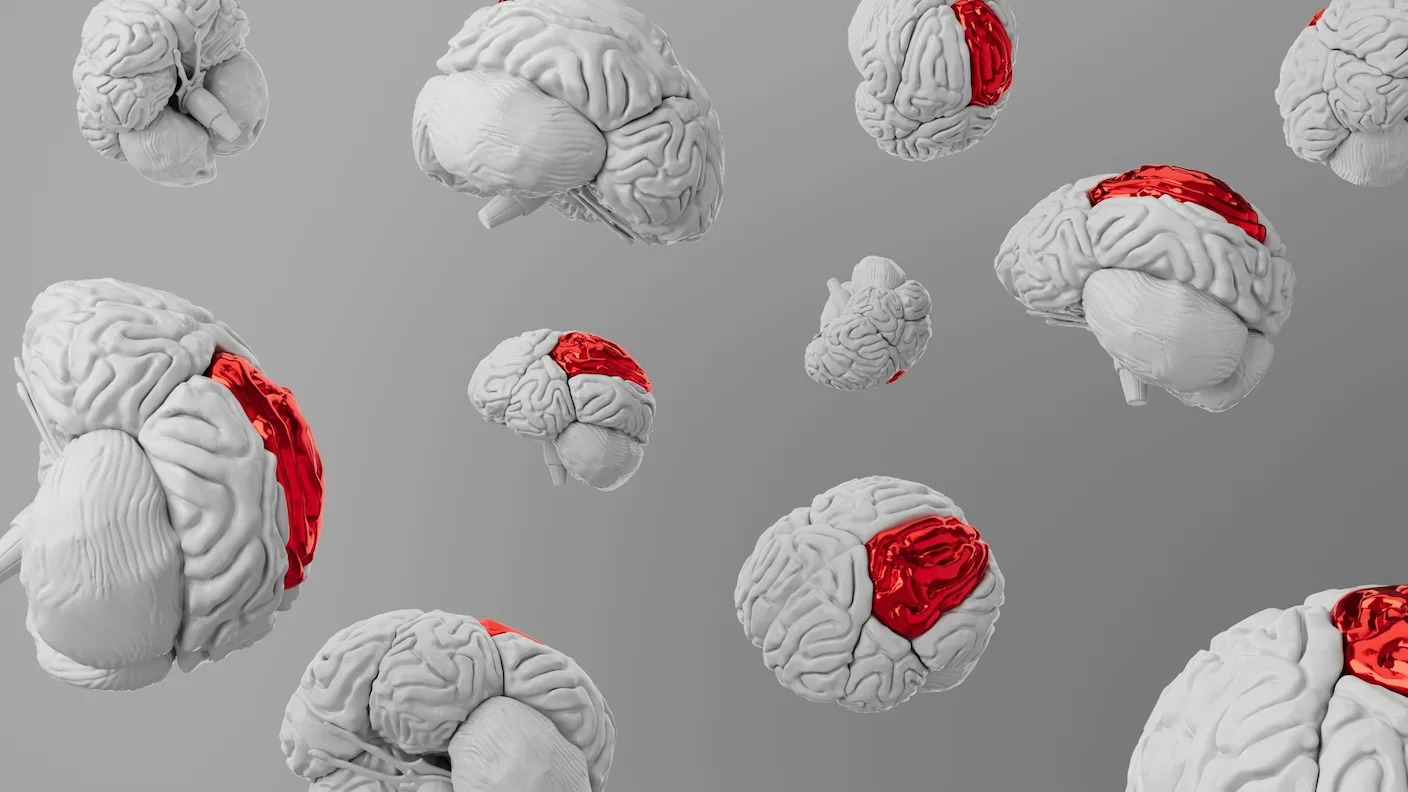
Deliberately damaged large language models showed speech problems similar to stroke patients.
Nearly a century ago, Henry Molaison went under the knife to treat his epilepsy. Surgeons removed parts of his brain that were sparking uncontrollable seizures. The operation worked. But there was an unexpected cost: He could no longer form new memories.
Scientists spent decades studying Molaison and developed theories about how brain networks support learning and memory. The idea—studying damaged brains to infer normal function—forever changed the way we probe the brain’s mysterious inner workings.
Scientists at the University of South Carolina have developed an unorthodox method that deliberately “injures” large language models (LLMs) and compares the models’ mistakes with neurological results from stroke survivors struggling to talk.
Depending on the severity and location of the injury, the AI models failed to name objects in images or complete sentences without gibberish. After sorting the models’ responses by error type, the team could predict patterns of brain damage associated with language impairments in the patients.
The findings don’t mean that human brains and LLMs share the same neural wiring or mechanisms. Rather, at least for speech, their language failures show some functional parallels, suggesting clinical neuroscience could help us decipher AI models.
“LLMs are being deployed in situations where failure has consequences, but we have very little ability to say why a given system fails the way it does,” study author Julius Fridriksson said in a press release .
Source link