Living digital twins are helping industrial plants run more like living systems, and setting the stage for industries that work in sync.
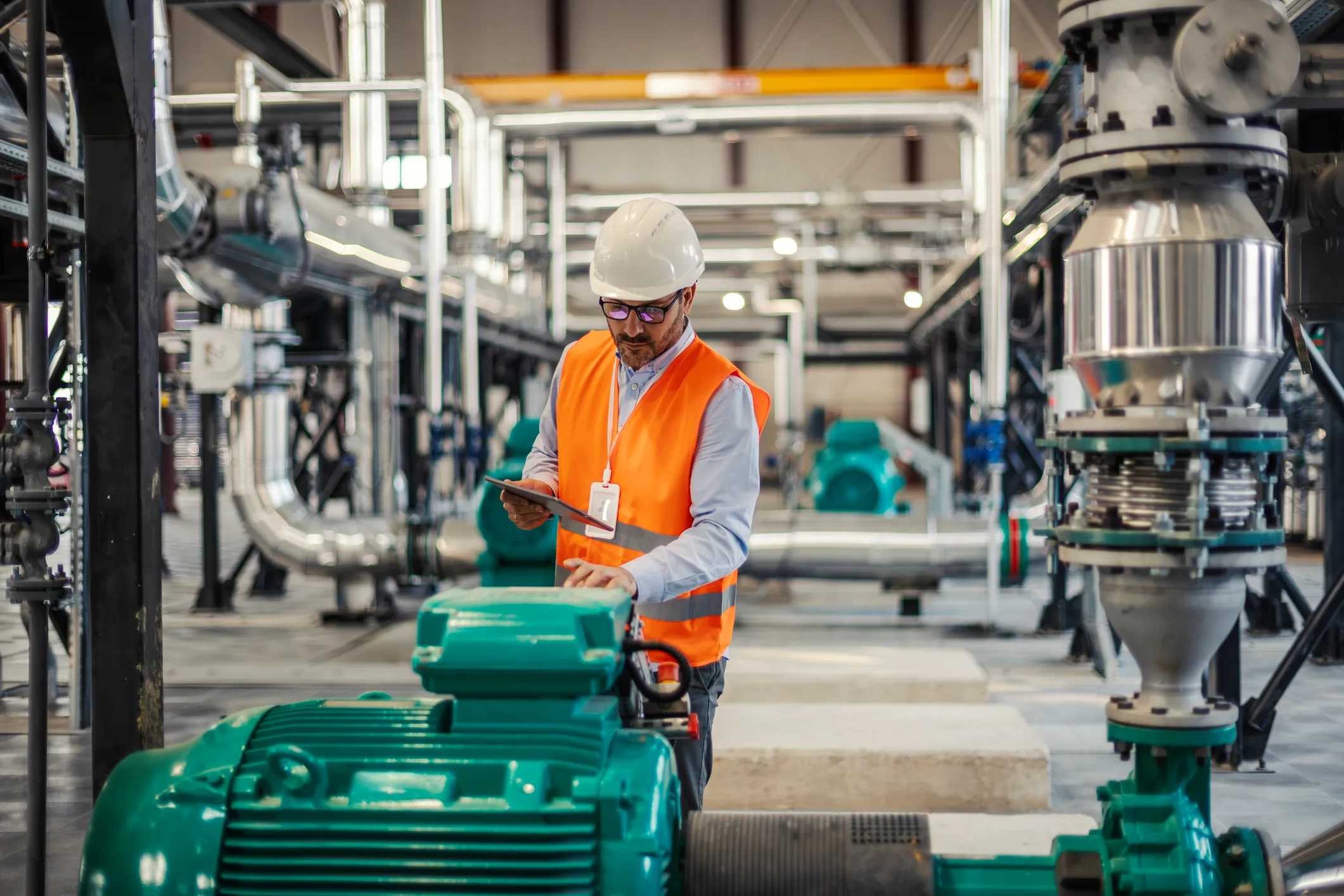
Most people associate industrial environments with cold steel and clockwork machinery. Functionally, though, a plant or factory is more like a living thing: It has a pulse, even a metabolism. It goes through wear and tear as it ages, and signs of deteriorating health often show up as barely perceptible irregularities.
Digital twin technology has long aimed to mirror that dynamism and model anomalies that may be symptomatic of larger problems. But earlier implementations were a few beats behind physical reality; they were incapable of real-time analysis and unable to proactively address any issues detected. They focused more on simulation, observation and what-if scenario planning, rather than closed-loop execution. Rather than serving as a digital mirror of reality that can spot anomalies or suggest optimizations, a living digital twin combines a dynamic, high-fidelity digital representation of complex operations with the capacity to intervene in the physical world through operations and control systems.
AI is at the center of this change. Rob McGreevy, chief product officer at AVEVA, likens newer, AI-infused digital twins to organisms that grow and evolve. These “living” versions are adaptive, evergreen models of a plant’s assets and processes. Because they keep pace with live conditions and connect systems that once ran in isolation, they provide a previously missing layer of visibility and orchestration that better reflects the organic rhythms of the facility itself.
Now, agentic AI is also enabling industrial systems to move beyond diagnostics or suggestions and act of their own accord.
Source link