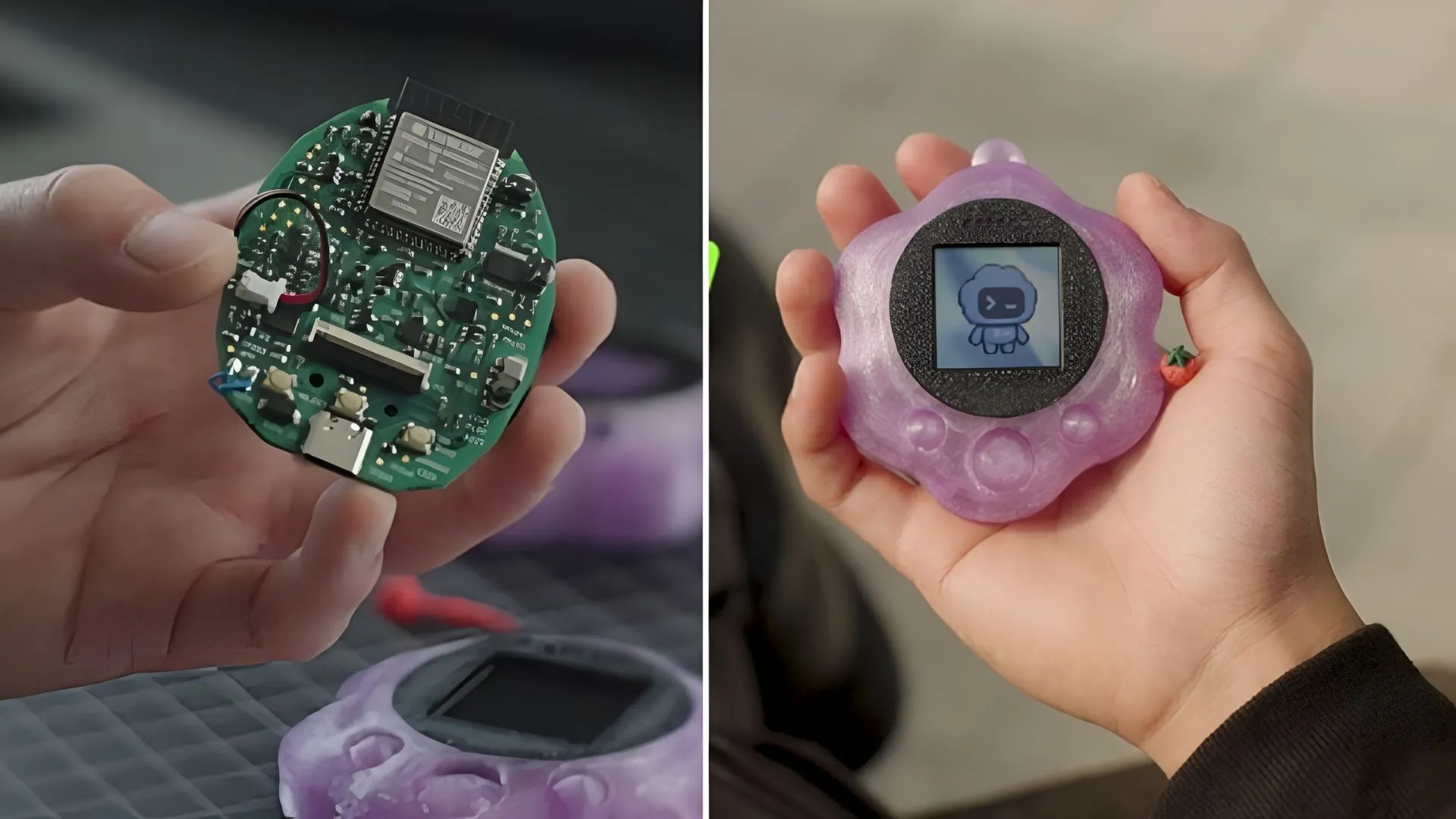
OpenAI has designed a working hardware device in under a week using its latest models, demonstrating how its technology can tackle complex engineering tasks. Two team members developed the prototype as a side project with help from GPT-6 and Astra. The device connects users to Codex through a dedicated physical interface.
The project tested whether OpenAI’s models could handle an entire hardware development process without direct human edits. Astra helped develop the device’s appearance and internal components. It also handled circuit board design, firmware, and software integrations. A contract manufacturer produced a small batch of prototypes in less than a month.
OpenAI says the experiment offers an early look at how its models could accelerate professional engineering. The company is also working with automotive and motorsports partners to test these capabilities.
The prototype required Astra to coordinate several engineering disciplines. GPT-6 helped establish its functional requirements and guide the design process. Astra then developed the enclosure, which houses the device’s internal components.
The model also selected electrical components and designed the printed circuit board (PCB). Its work covered component placement and electrical connections. These designs had to fit within the physical enclosure.
On the software side, Astra created the user interface and generated firmware. It also developed the integrations required to connect the device with Codex.
However, getting the prototype ready for production presented additional challenges. Astra struggled to account for manufacturing restrictions and component tolerances. Engineers also needed to address assembly requirements through several rounds of review.
Source link