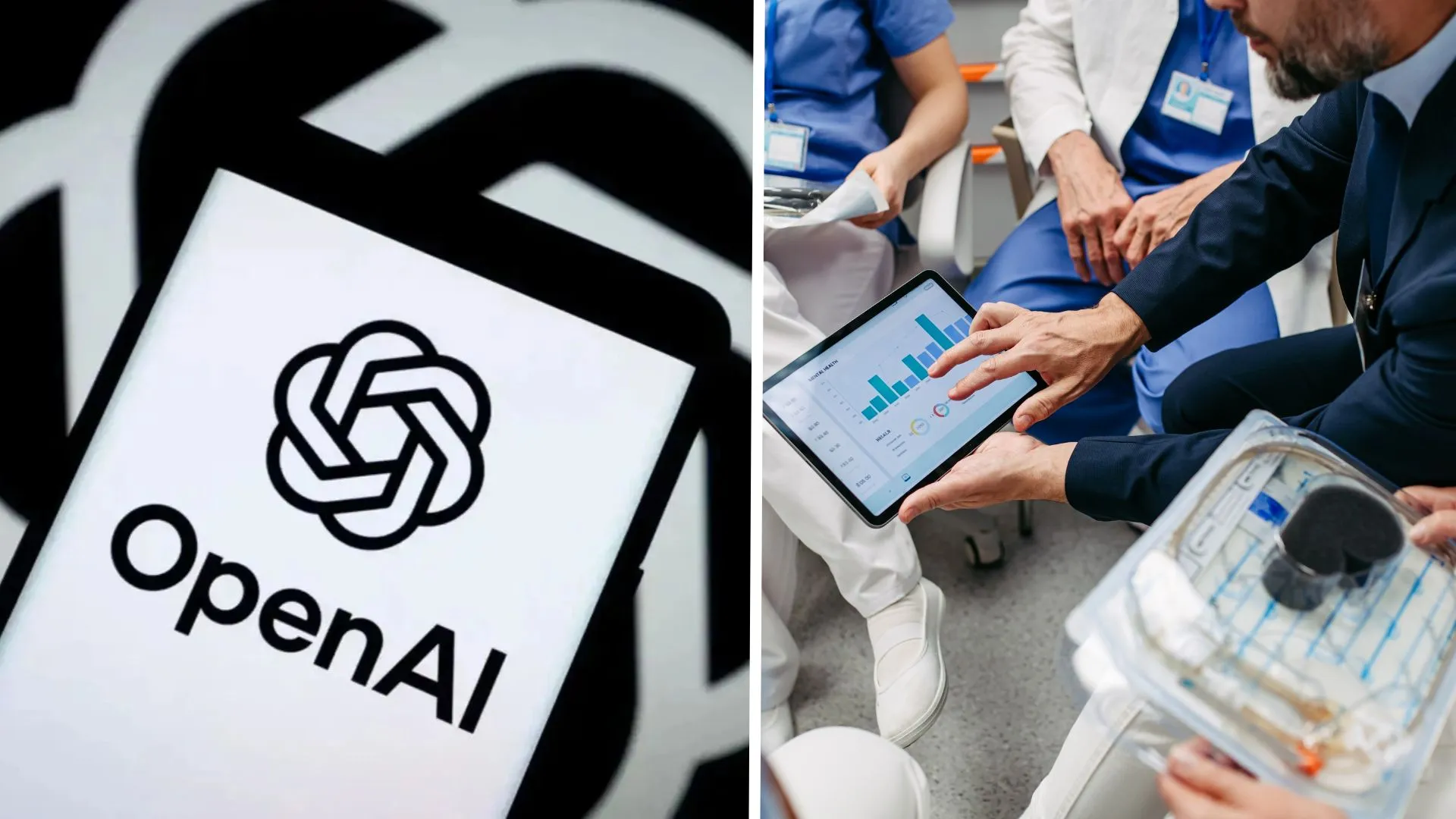
OpenAI is expanding its computer-use technology into healthcare, allowing AI agents to navigate clinical software and handle repetitive administrative tasks. The technology can retrieve patient information, prepare medical documentation, and coordinate insurance authorization requests across separate applications.
The development targets a persistent challenge in U.S. healthcare, where staff often spend considerable time moving information between disconnected systems. OpenAI is working with major healthcare organizations to automate workflows involving referrals, discharge planning, and patient outreach. The goal is to reduce administrative workloads without removing clinicians from important decisions.
An OpenAI demonstration shows how an agent could help process an MRI request for a patient experiencing lower back pain. It starts by reviewing the patient’s electronic health record (EHR), including previous consultations, physical therapy records, and imaging history.
The agent then drafts an MRI order, a clinical note, and a response to the patient. Afterward, it uses the same records to prepare a prior authorization request through an insurer’s portal. Clinicians and authorization specialists review the documents before taking further action.
ChatGPT for Healthcare is advancing with more capable computer-use agents, stronger clinical answers, and 20+ new healthcare plugins.@AbridgeHQ, @AmbienceHealth, @Cigna, @CVSHealth, and other leading healthcare organizations are putting our models to work across prior… pic.twitter.com/zdUatPPG5e
Computer-use agents interact with existing applications through clicks and keyboard inputs. This allows them to navigate software functions that traditional application programming interfaces (APIs) may not fully support. The approach could prove particularly useful in healthcare, where organizations rely on multiple systems that do not always communicate with each other.
Source link