
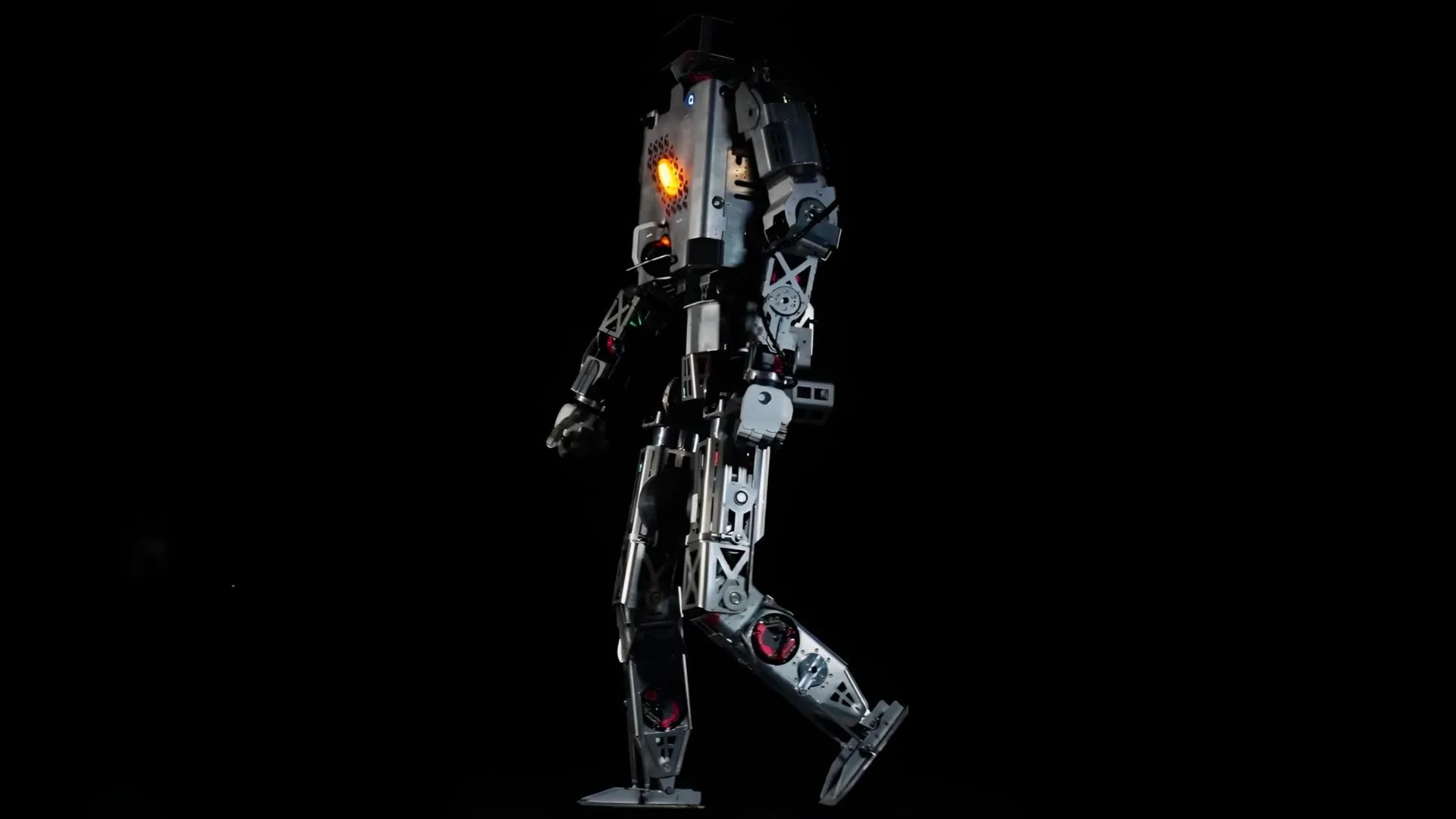
A San Francisco-based robotics startup has built a walking humanoid in five months that allows specialists to remotely handle explosives and hazardous energy equipment while staying outside the danger zone.
Minerva Humanoids’ semi-autonomous robot, called Roger, combines remote human control with onboard software that handles balance, navigation and recovery from falls. An operator wears a VR headset to see through the robot’s cameras and control its movements, including tasks requiring two-handed manipulation.
The company emerged from stealth Tuesday with approximately $10 million in pre-seed funding led by General Catalyst, with Long Journey Ventures and Credo Ventures as co-leads. Minerva said the funding will support further development of Roger ahead of its first paid pilots this fall.
Roger is being developed for work including explosive ordnance disposal, hazardous material response, offshore oil and gas operations and high-voltage energy sites. Rather than removing people from decision-making, the system is designed to keep trained specialists in control while putting the robot in hazardous environments.
Minerva Intelligence, the company’s in-house control system, manages functions that would be difficult for an operator to continuously control, including the robot’s balance, navigation and fall recovery. Low-latency control loops translate the operator’s movements into actions by the humanoid, according to the company.
The approach is intended to address a limitation of some existing remotely operated systems used by explosive ordnance disposal teams. Tracked robots with a single manipulator arm can perform many operations remotely, but tasks requiring two hands or greater dexterity can still require a technician to approach a device.
Source link





