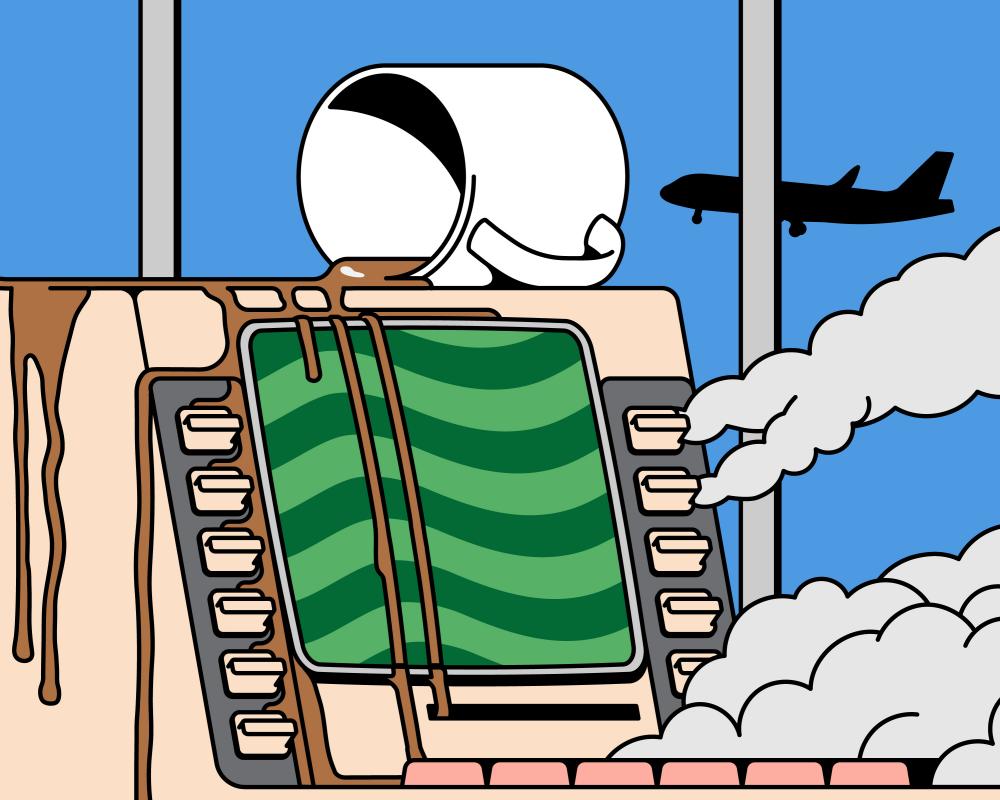
Imagine a batch job that has run every night for decades without failing, and the only person who understands its code is about to retire. We have seen this situation again and again while working with banking, insurance, and airline customers. Their Assembler programs still run critical business operations, but fewer people can read them each year. Rewriting them by hand takes years, risks breaking business rules nobody remembers writing, and still depends on the same experts who are leaving. Amazon Bedrock and AWS Transform change that equation.
This post shows you a multi-stage transformation methodology using Amazon Bedrock, Kiro IDE (an AI-powered integrated development environment), and AWS Transform that can help reduce modernization time compared to manual approaches while maintaining business logic integrity through validation checkpoints. You will learn how to systematically extract business rules from Assembler code, convert them through an intermediate COBOL stage, and deploy modernized applications as Java Spring Boot services on AWS.
You can transform legacy mainframe Assembler applications tightly bounded with COBOL into Java Spring Boot applications built for the AWS cloud through a systematic five-phase approach. This multi-stage methodology, converting Assembler to COBOL as an intermediate step before Java transformation, reduces risk and preserves business logic with greater reliability than direct Assembler-to-Java conversion. The intermediate COBOL stage provides a structured, human-readable format that subject matter experts (SMEs) can validate before final transformation. This makes sure that business rules remain intact throughout the modernization journey. The following sections describe both the current mainframe architecture and the target cloud-focused state.
Source link