The system, MAI-DxO, was not only more accurate, but it also spent much less on tests to make its diagnoses.
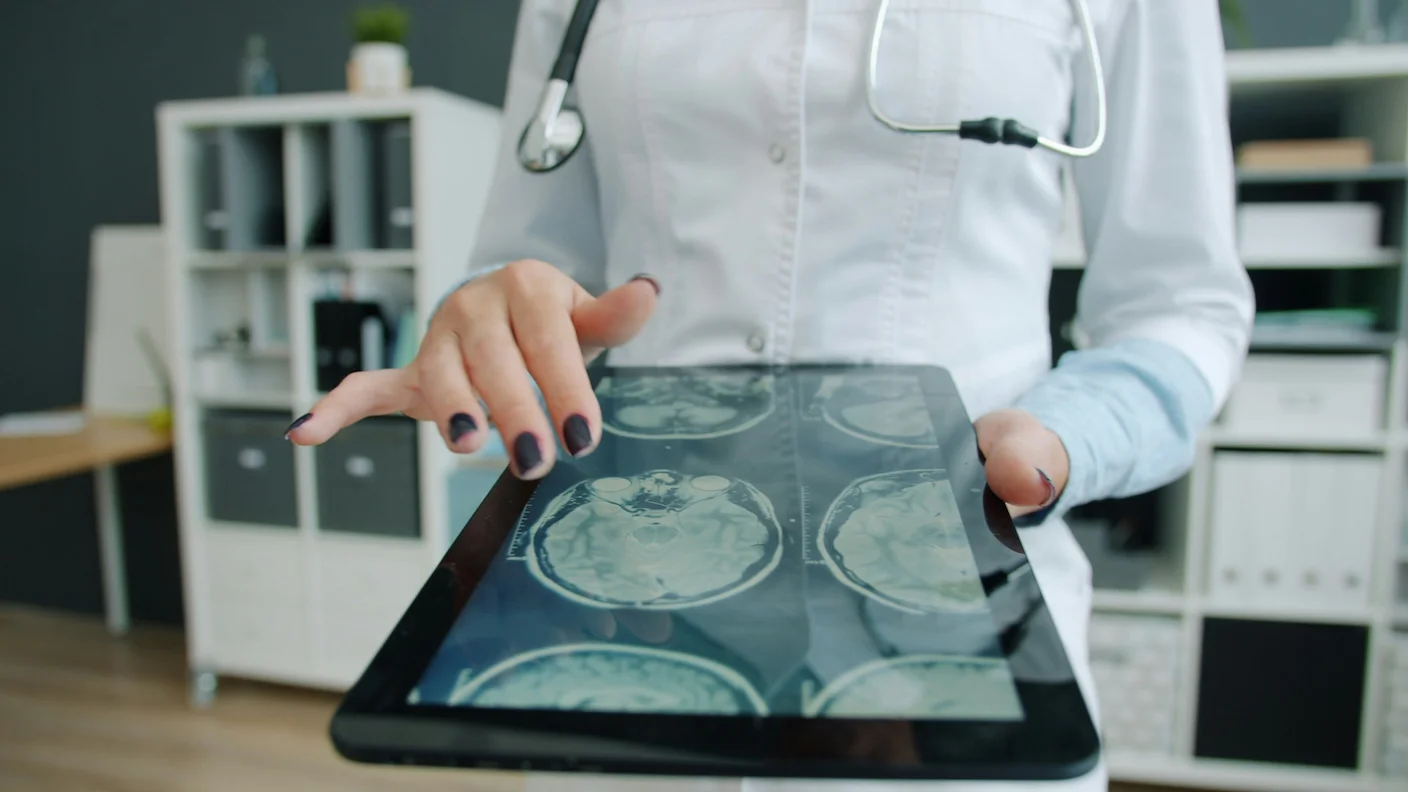
Doctors are like detectives. They scrutinize symptoms, piece together medical histories, and narrow down possible diagnoses. Simple cases may be solved on the spot. But trickier ones require tests to gradually zero in on the culprit.
The stakes are high. A misdiagnosis can delay treatment, allowing diseases to fester and cause lasting harm or prolonged suffering. Costs also stack up. Even with health insurance, multiple tests, some unnecessary in hindsight, can leave patients with staggering bills.
Medical debt is already a major burden in the US. According to one estimate, more than one-third of households carried some type of it in 2024. Some patients even opted out of subsequent care because of costs, which are often opaque.
A faster, more efficient path to the right diagnosis could vastly improve medical care. To that end, AI could be a useful tool. This month, in a paper published in Science, Microsoft researchers described MAI-DxO, a sophisticated system that acts like a crack medical team.
When challenged with extraordinarily complex cases, MAI-DxO was more than twice as accurate as physicians armed with textbooks and the internet—and nearly four times as accurate as those relying solely on their own knowledge. The system also surpassed doctors on typical emergency room cases, achieving 80 percent accuracy versus 47 percent for physicians.
“I’ve been working on principles and applications of AI in medicine since the 1980s,” study author Eric Horvitz told Science .
Source link