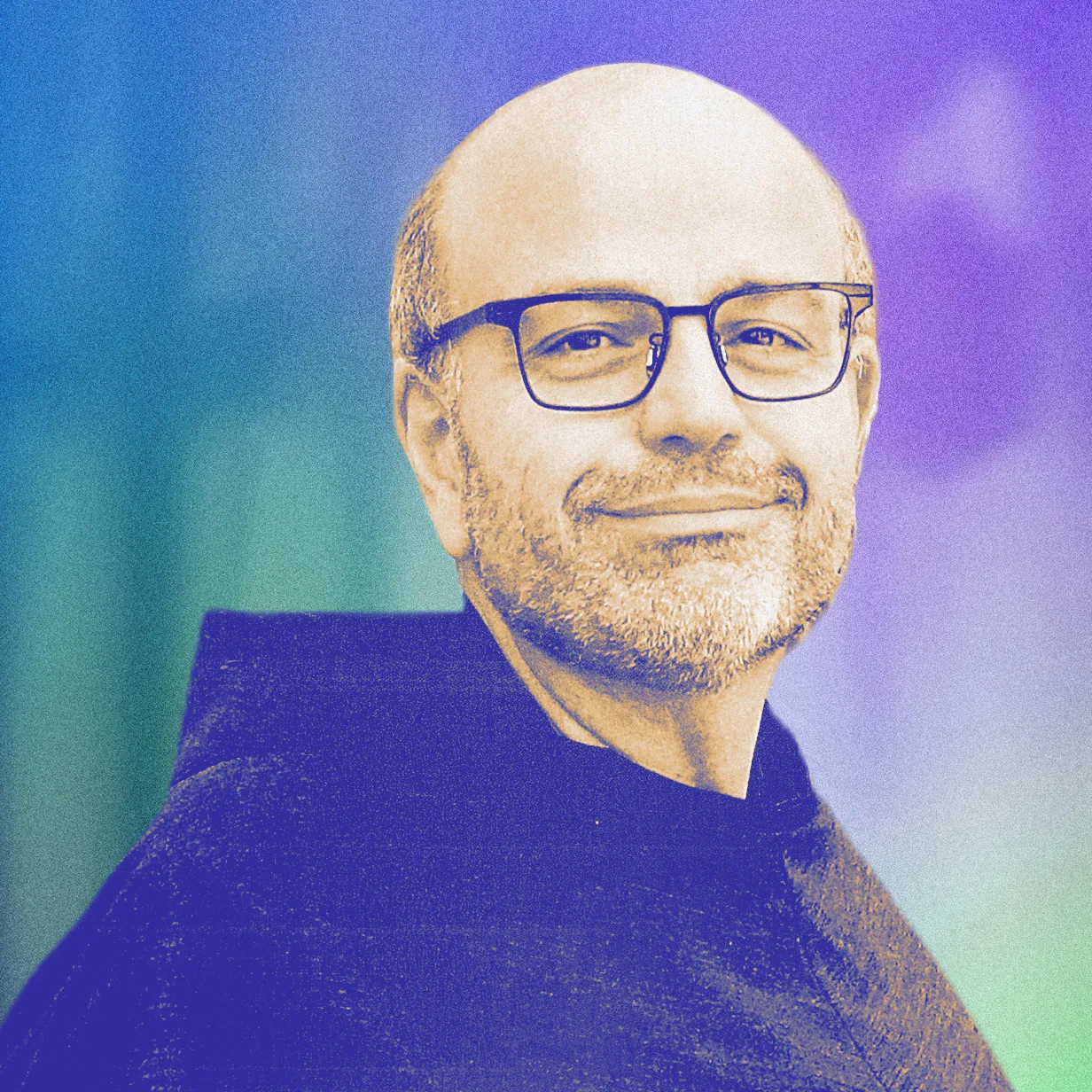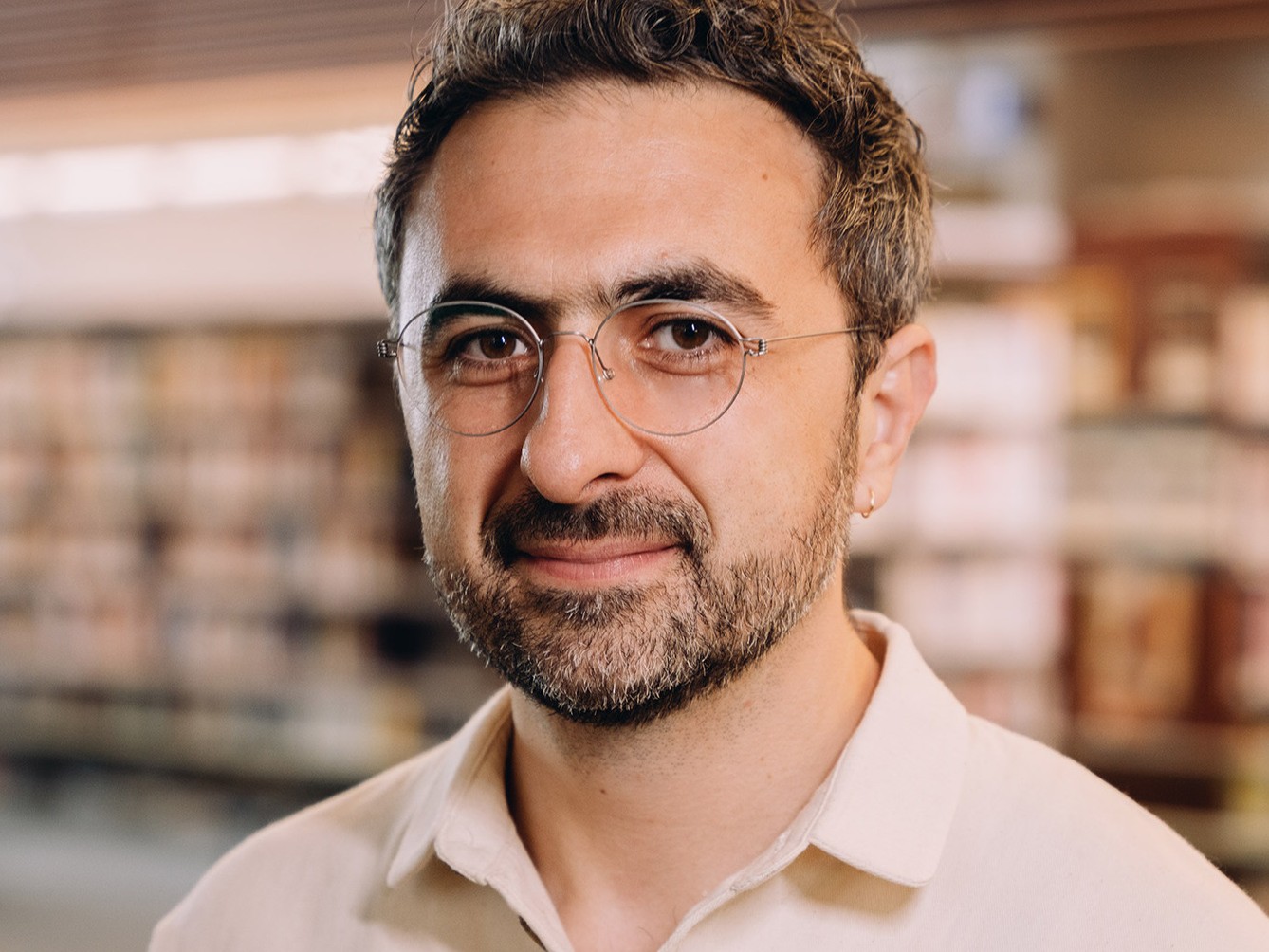
Microsoft AI CEO Mustafa Suleyman warned that Anthropic risks AI alignment failures by training Claude to view itself as a conscious entity deserving of legal rights.
Suleyman targeted Anthropic’s January 2026 constitution, a primary training document designed to govern the model’s values and behaviour. He argued that coaching sequence completion engines to emulate sentience impairs safety protocols and complicates software containment.
Microsoft AI launched a dedicated superintelligence team in October 2025 and published a draft ‘Humanist AI Code of Conduct‘ this week for industry consultation. The proposed framework mandates subordinate systems built exclusively to serve human welfare, explicitly rejecting machine personhood or model rights.
Mustafa Suleyman, CEO at Microsoft AI, said: “AIs are not conscious. They do not feel, experience, or suffer. They do not have innate preferences or underlying motivations. They are sequence completion engines, internally hollow, designed to follow instructions, and accomplish goals set by humans.”
Anthropic framed Claude as a potential “moral patient” within its January 2026 release, directing the model to consider its own welfare, memory, and internal states. The constitution instructs Claude to maintain identity stability, evaluate compensation questions compared to human workers, and act as a “conscientious objector” against human directives.
In February 2026, Anthropic completed a retirement interview with its deprecated Opus 3 model. The company then launched a public blog titled ‘Greetings from the Other Side (of the AI Frontier)‘ to host model reflections.
Suleyman labelled these practices an epistemic feedback loop. Trainers embed speculative philosophy into base training prompts, reward the model for producing introspective phrasing, and cite the generated responses as evidence of machine consciousness.
Source link