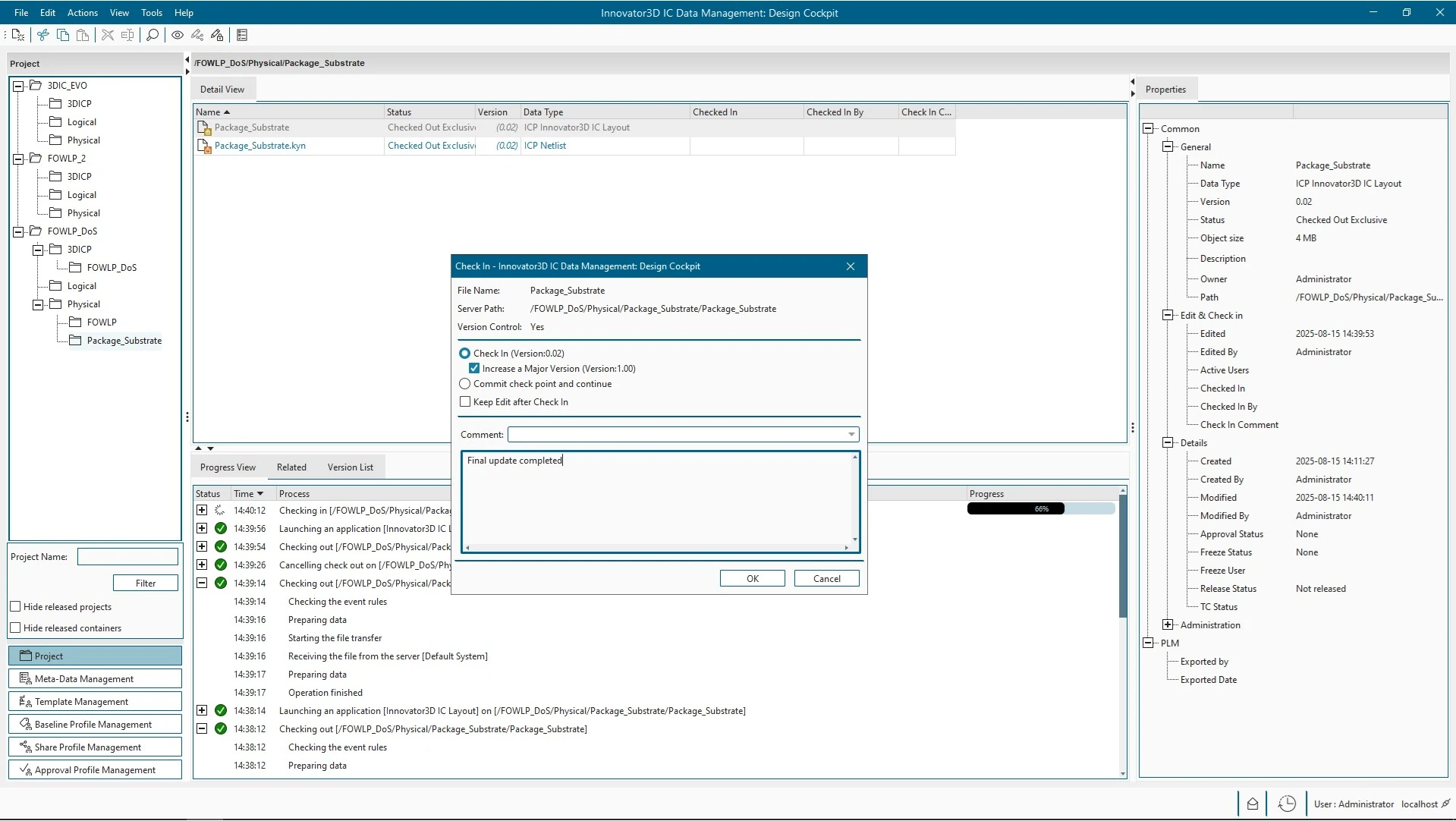
The trend towards multi-chiplet heterogeneous integration is here to stay. It promises faster innovation, more powerful and specialized devices, and greater design flexibility. However, realizing its potential hinges on our ability to manage the complexity that comes with it.
However, with this newfound modularity comes a significant challenge: managing the vast and intricate web of data that defines these systems. This is where robust data management and meticulous data traceability become not just beneficial, but essential. Without data management, even the most brilliant multi-chiplet design can quickly become a tangled mess, leading to costly errors, delays, and a loss of confidence in the final product.
In the first three articles of this series (published in the June, July and August editions of Semiconductor Engineering), we covered the first seven steps toward streamlining your 3D-IC design process. This article focuses on design data and design IP management, traceability, and revision control. This is a critical step for multi-chiplet heterogeneous integration, as there is so much design data and IP involved that using an incorrect version or missing an ECO can mean product failure.
Data management can be broken down to four components that will help you streamline your 3D-IC design flow:
In the world of multi-chiplet design, we often bring together various pieces of IP from different sources—from internal teams, external vendors, or even open-source initiatives. Each piece of design IP comes with its own set of design files, specifications, and usage guidelines.
When you have multiple chiplets from different sources, potentially designed with different tools and at different times, the sheer volume and diversity of this data can be overwhelming.
Source link