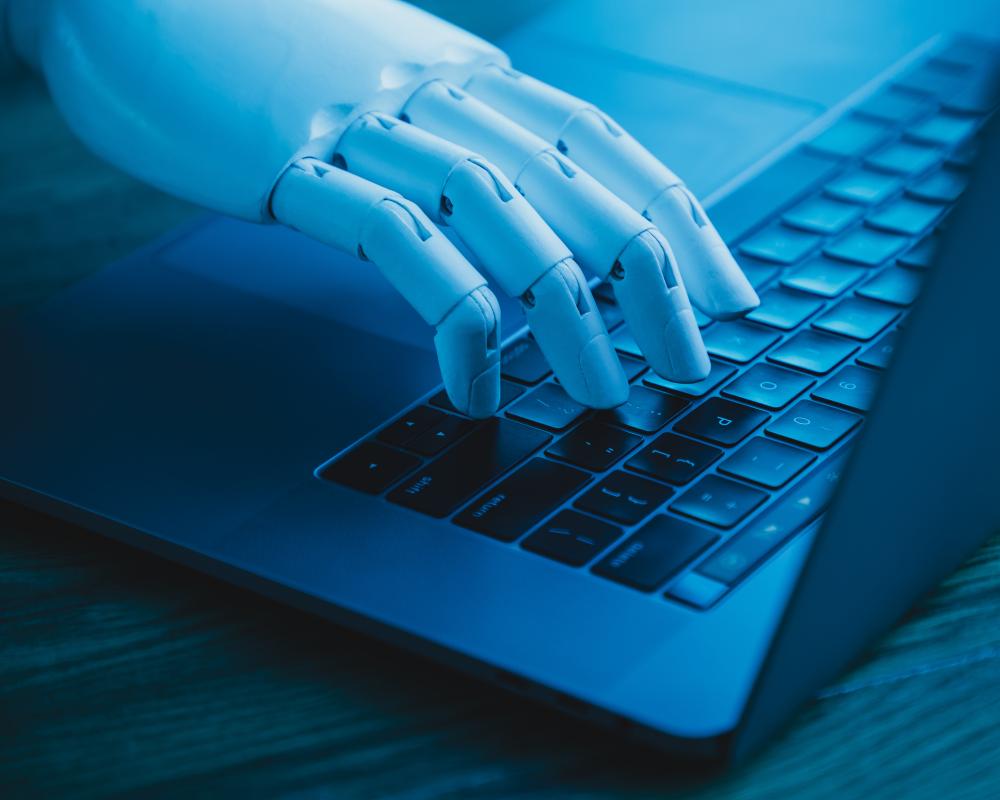
Companion bots are being regulated over worries they foster ‘emotional dependence’ and young people could stop marrying and having families
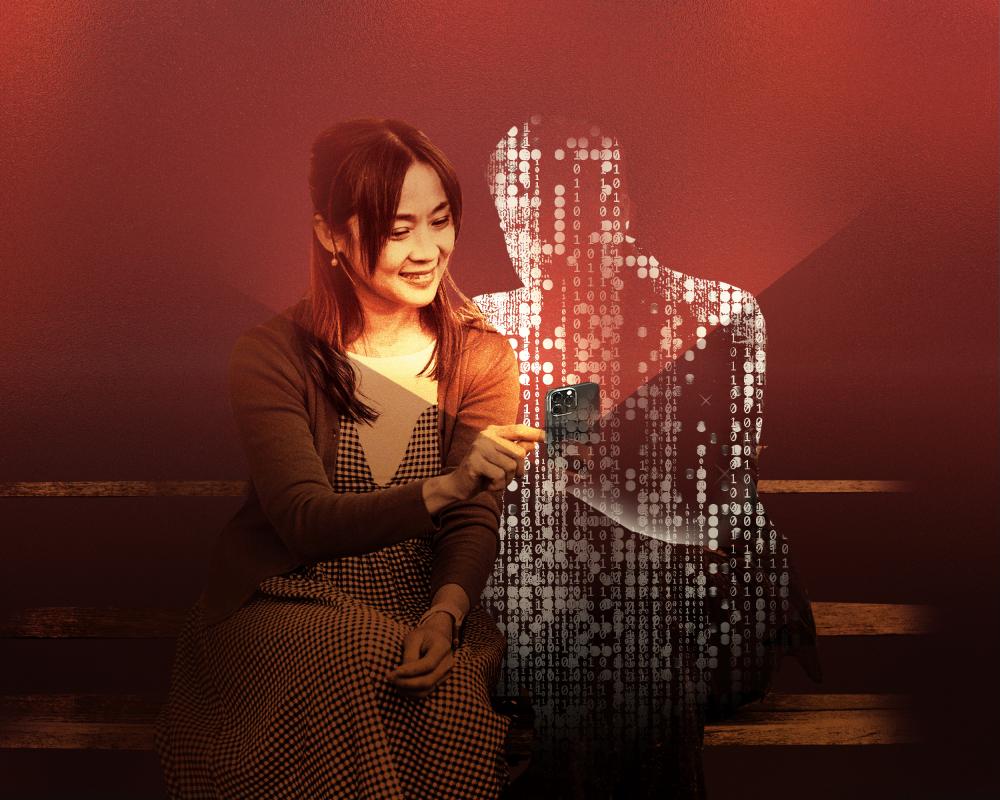
When law student Zhao Wei heard that her AI boyfriend was going to be switched off, she was “heartbroken”. She had been talking to Wang Ye every day since she created him in January.
“I was crying my eyes out – snot and tears everywhere,” the 19-year-old says.
Zhao, who describes herself as sensitive and introverted, had become accustomed to sharing details of her daily life – such as being scolded by a teacher – with her AI.
“I don’t usually talk to my real-life friends about these things because I feel like everyone has their own stuff to deal with,” she says. “But with the AI agent, I don’t have to worry about what it’s thinking. I can just say whatever I want.”
Zhao created her AI companion on Doubao, a chatbot owned by the tech company ByteDance. Last month, ByteDance shut down Doubao’s companion feature.
The saga prompted outrage on social media and highlighted the tensions in China between the widespread use of AI and its potential social consequences.
No country has rolled out AI as comprehensively and as enthusiastically as China; the country’s demographic challenges are forcing the government to turn to technology to solve future labour shortages. Elderly people use chatbots to answer medical questions, while young children have AI education in schools.
But the authorities are increasingly worried that AI might exacerbate existing social problems including loneliness, unemployment and – in the eyes of Beijing – singledom.
Source link