Among those charged are two Super Micro employees and one from Nvidia, marking another flashpoint in US-China AI rivalry
Taiwanese prosecutors charged nine people Monday, including one from Nvidia and two from Super Micro, for illegally exporting “high-end AI servers” to mainland China, adding another wave of turbulence in the AI rivalry between China and the United States.
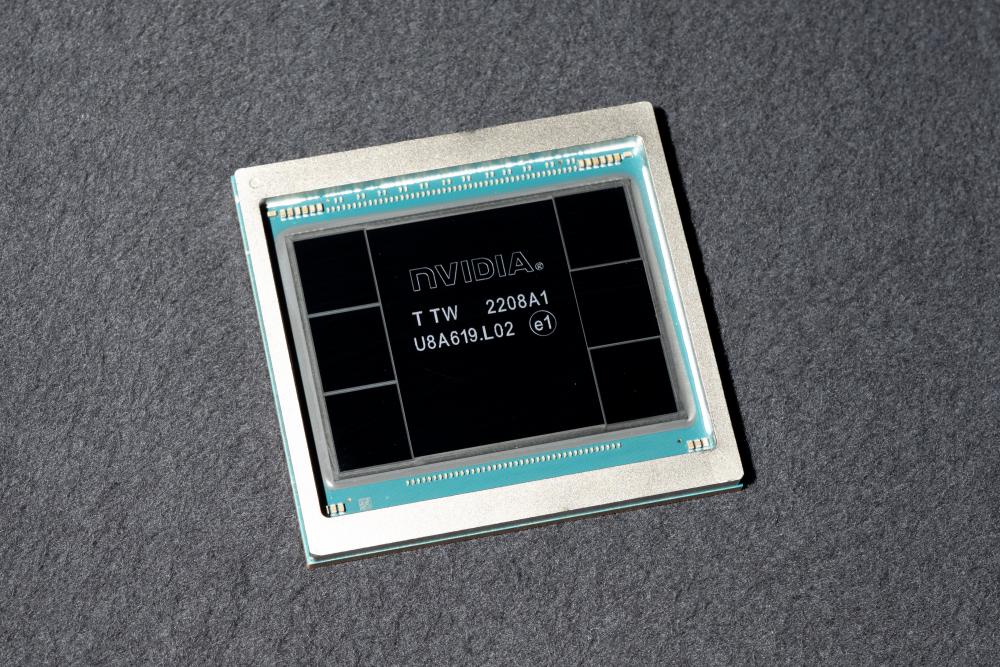
Prosecutors said the servers involved were graphics processing units known as “B300,” which have been banned from sale to China.
Seventy-four servers arrived in China successfully, according to the prosecutors. Of those, 50 were sent through Indonesia, 16 delivered directly to China and eight sent to Japan first, then Hong Kong, before they landed in mainland China.
Another attempt involving 56 servers failed, and the servers remain in Taiwan, said the prosecutor’s office.
AI infrastructure, including advanced semiconductors mostly made in Taiwan, has become a key point of competition between the US and China. Washington began imposing restrictions on Nvidia’s exports of advanced chips to China in 2022 and tightened them in subsequent years. In April 2025, the US required licenses for exports of Nvidia’s H20 chips to China before allowing some sales to resume later that year.
Under export controls, any sale by Nvidia of high-end AI servers – the computer infrastructure that houses the chips needed to power AI systems – requires a strict review process, according to a document from Keelung District prosecutors’ office in Taiwan. The document also said purchases of more than eight high-end AI servers require company staff to conduct on-site checks to the clients.
Source link