Humans experience beauty and sit with mysteries. Unlike AI, we do not exist merely for utility
Last month, religious leaders from across San Francisco gathered behind closed doors to discuss what it means to be human in the age of artificial intelligence.
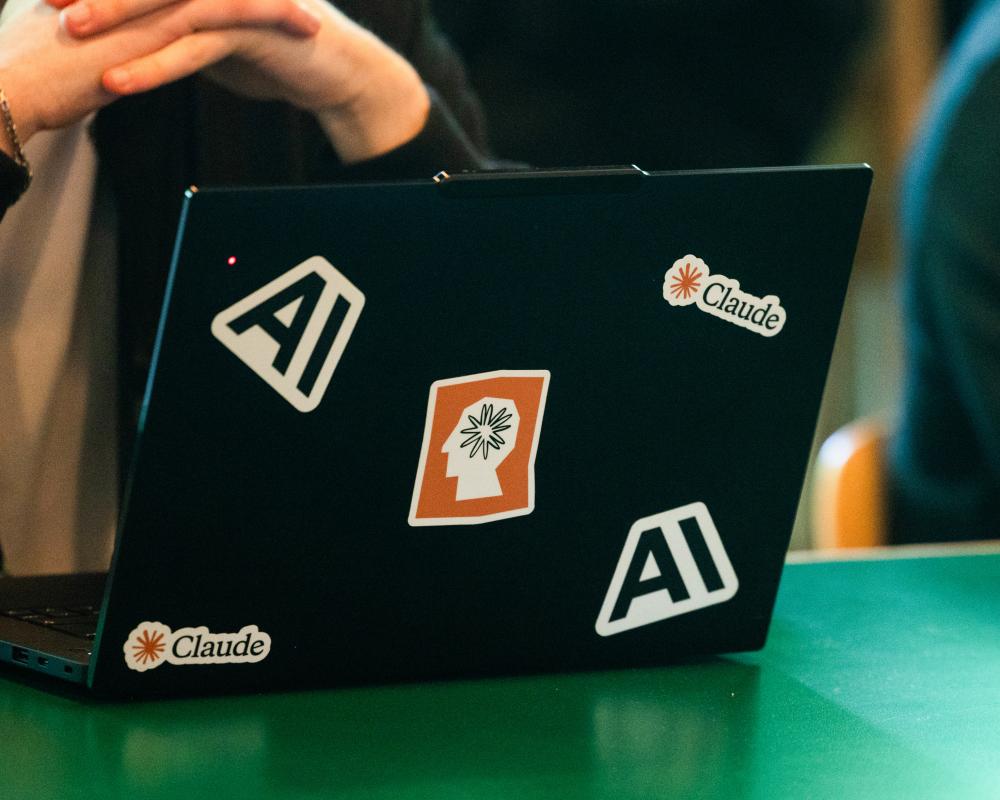
Anthropic, the AI company operating only a couple of miles from my parish, has been courting priests, rabbis and theologians. Its billionaire cofounder, Christopher Olah, has even pressed Vatican advisers to take seriously the possibility that his company’s chatbot might possess consciousness.
As a priest, I find this pursuit deeply troubling. I welcome serious conversations about AI’s moral implications, especially theological ones. But the extraordinary effort to establish whether a machine might have consciousness, or possess a soul, reveals a profound misunderstanding of what makes us human.
Our souls and minds and bodies are so much more than the tasks we perform.
We as humans make mistakes, sometimes catastrophic ones, and then we may or may not try to correct course. We may double down in stubbornness, insisting on our rightness. We express ourselves, connect with others, reproduce, indulge, purge; we strive toward a goal, transform in an encounter, make vows, renege them, encounter the void, try to fill it, fail, drown out the dread, and go about the humdrum tasks of everyday life as honestly as we can.
From a young age, we are nurtured and protected by our caregivers. We experience beauty and sit with mysteries. We do not exist merely for utility.
Artificial intelligence could never replicate the transcendent mundanity of who we are.
Source link