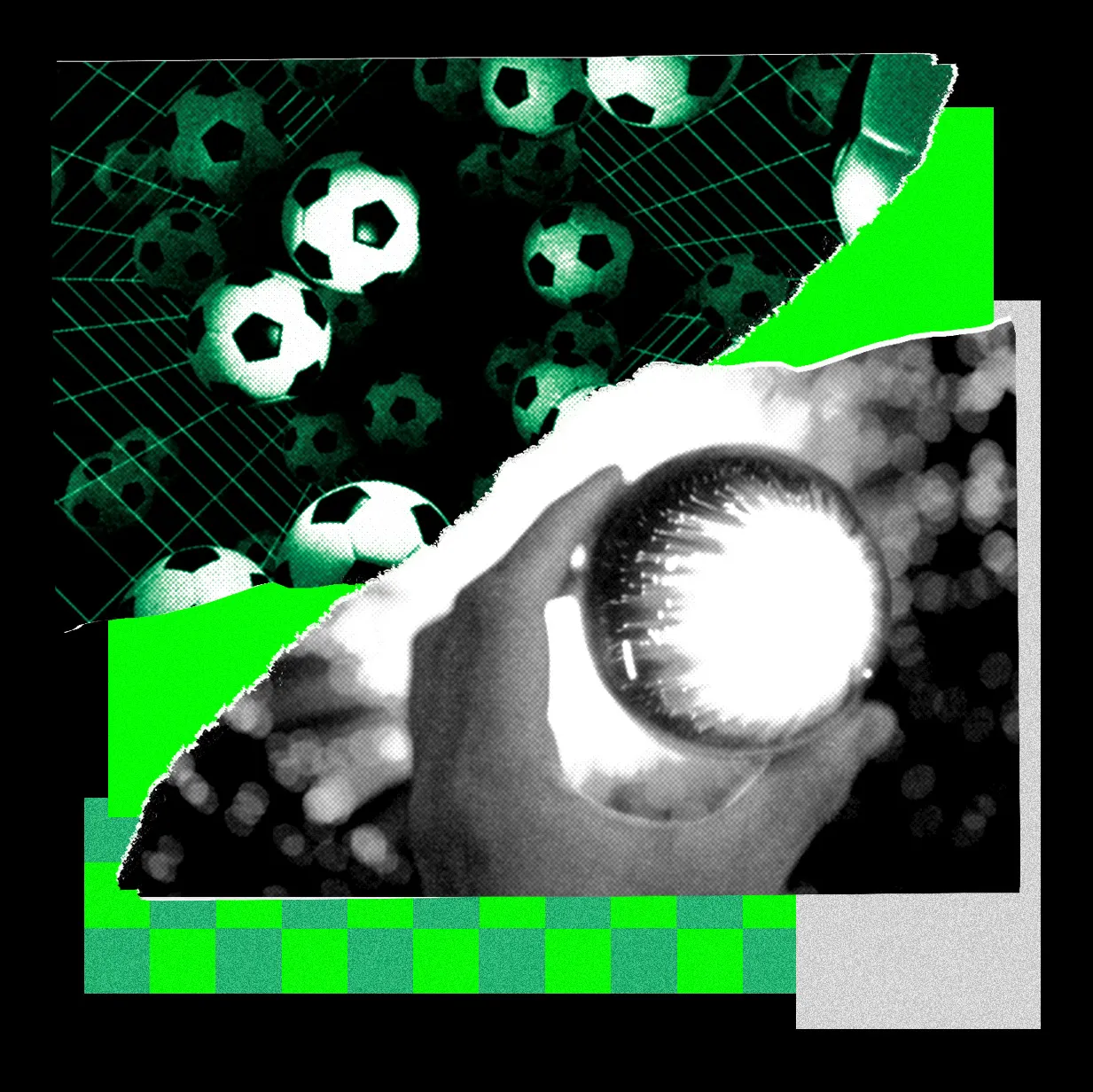
I have consulted my AI-powered crystal ball, and it’s telling me that frontier models are going to get a lot better at making predictions in the near future. Just ask my Premier League fantasy team.
A few weeks ago, I deployed a small horde of AI agents to craft and manage an experimental roster. Given the proliferation of AI agents into pretty much every aspect of our lives, I wanted to know if a swarm of bots could put together a winning team.
I first looked at the potential for AI here a few years ago, playing around with a tool from the UK’s Turing Institute that selected teams after modeling previous fantasy league data. Its suggestions were remarkably bonkers—it didn’t incorporate real-world information, like a player’s injury or a team’s change in management.
This time, while on a flight to visit family, I asked Codex for help. First, I fed the model a couple of relevant research papers. Then, I asked it to build a harness—instructions and code that guides different agents through various steps—that would check recent news and run a model to make predictions.
It quickly came up with a setup that seemed to collate and analyze way more information than I ever would have. And yet I was surprised by how dumb the initial team suggestions were. Leaving Erling Haaland on the bench? Really, Codex?
I then asked Codex to create a team of agents that did different things: several that read news and blog posts; others that analyzed recent results; more that ran models; and a bunch that critiqued suggestions.
Source link