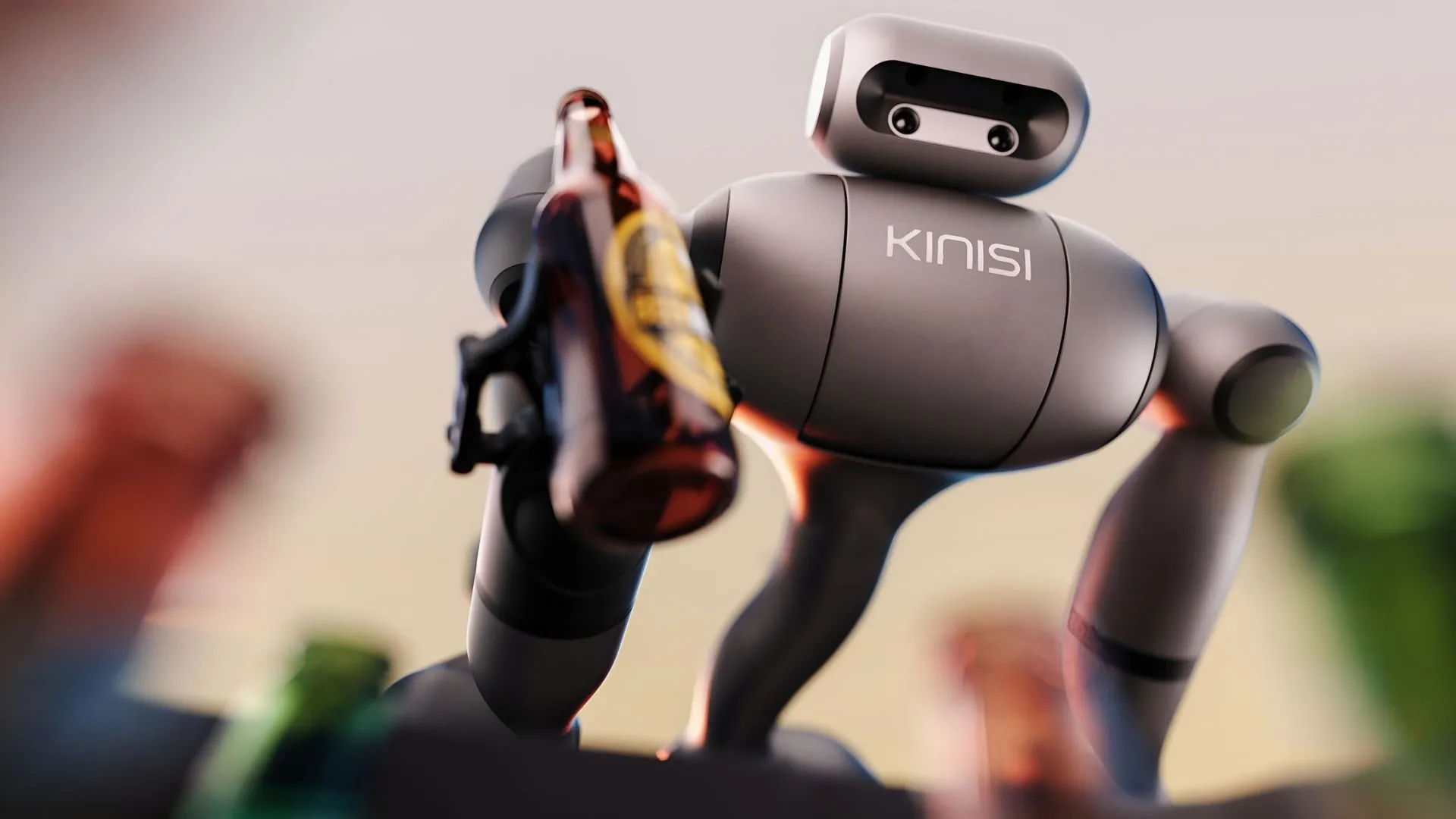
Bear Robotics says it has reduced the time needed to run a robotics foundation model by roughly eight times, from 500 milliseconds to 60 milliseconds, using NVIDIA software on its KR1 humanoid robot.
The improvement comes through KINO-2, a new robot-learning platform designed to turn human demonstrations into tasks that KR1 can perform. The company reported a separate 4.2-fold improvement for its own model, reducing processing time from 72.3 milliseconds to 17.2 milliseconds.
The figures come from Bear’s internal measurements and refer to model inference, the process of generating an output from a trained model. They do not mean the robot moves eight times faster or completes physical tasks eight times sooner.
Bear Robotics, which develops robots for commercial operations, announced KINO-2 at NVIDIA GTC Berlin. The company says it has deployed more than 16,000 robots across over 5,000 customer locations, although most of those machines are service robots rather than humanoids.
KINO-2 is designed to help KR1 learn object-handling tasks from demonstrations instead of requiring engineers to program every movement separately.
Bear collects demonstrations of a task, uses them to train and refine models, and evaluates the resulting behavior on KR1 before testing it in customer operations.
The platform supports both Bear’s internally developed models and external foundation models. These models can learn patterns from training data and apply them to tasks involving different objects and environments.
To run the software on KR1, Bear integrated NVIDIA Isaac OS into its perception system, which processes information about the robot’s surroundings.
Source link