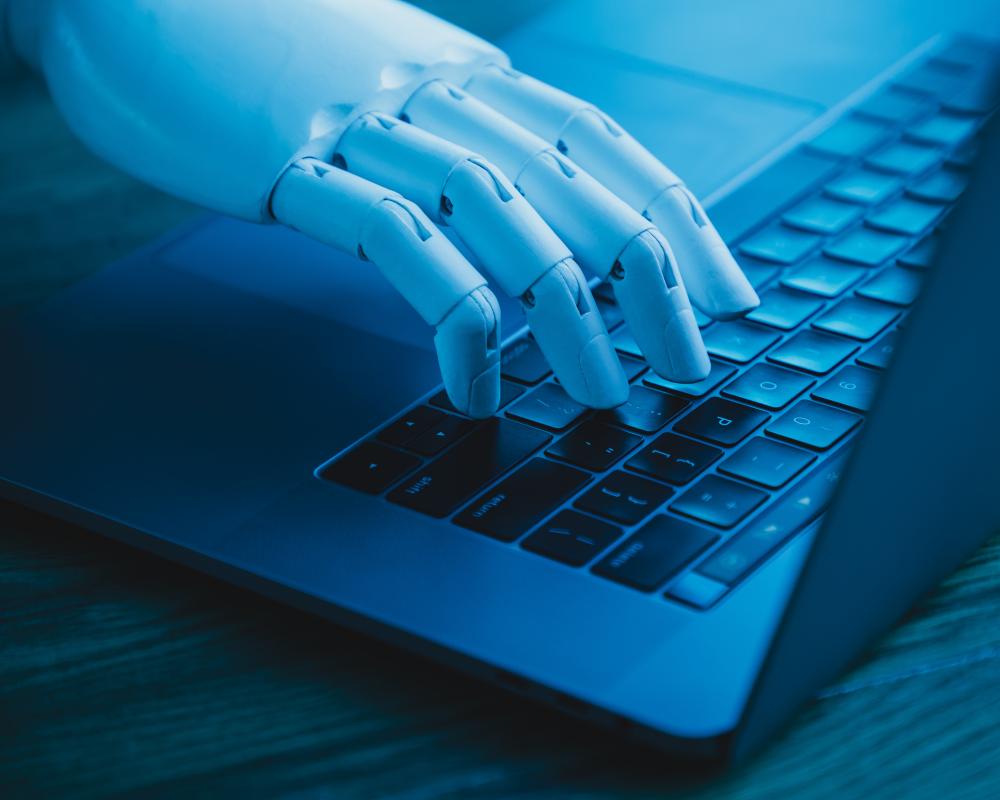
In today's world, artificial intelligence chatbots such as ChatGPT and Claude can perform many functions, such as composing work emails and planning travel itineraries. These chatbots are systems built around large vision-language models (VLMs): AI trained on a massive dataset that includes books, websites, code, and images.
The AI algorithms are then refined on massive amounts of human-generated feedback to follow instructions and avoid harmful or unwanted output, and use that "knowledge" to produce text or images based on input from a user. Although chatbots have clear limitations, they can be very helpful for a wide range of tasks, including in some areas that traditionally require specialized skills, like computer programming.
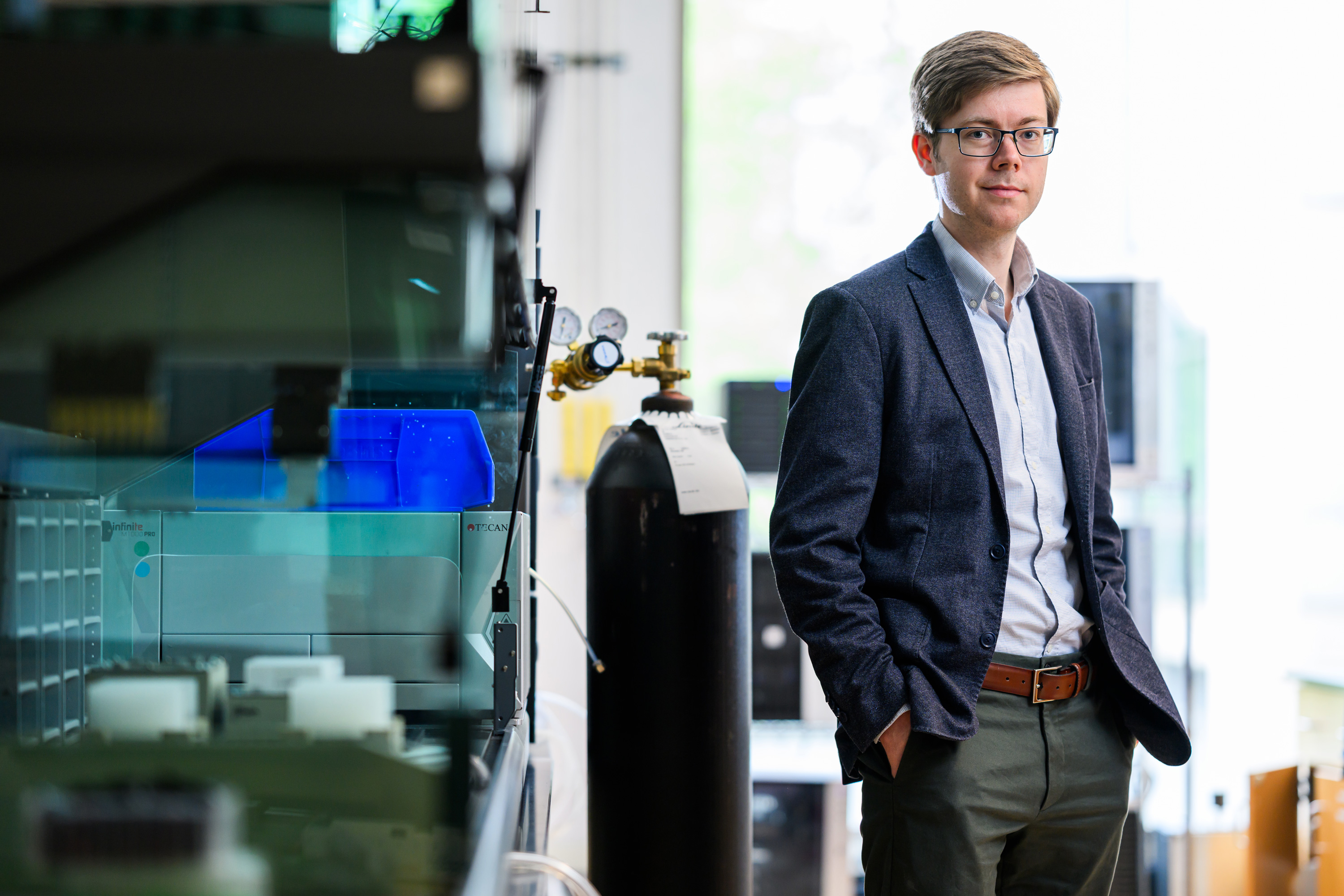
As part of a project for the U.S. Department of the Air Force–MIT AI Accelerator's Phantom Program, U.S. Air Force cadet Joshua Lynch — with the help of his mentor, Laura Niss, a technical staff member in the Embedded and AI Systems Group at MIT Lincoln Laboratory — wanted to determine if, as a complete novice to coding, he could develop a fully functional program. He used a process called "vibe-coding," in which a user relies entirely on prompts to guide a generative AI chatbot to write and refine code.
His motivation was to empower anyone familiar with the military problem space, regardless of their technical background, to advance their ideas for useful software applications, essentially bypassing the time and cost constraints of the traditional military software development pipeline. Lynch aimed to build his own application while Niss monitored his experience with the technology.
Source link