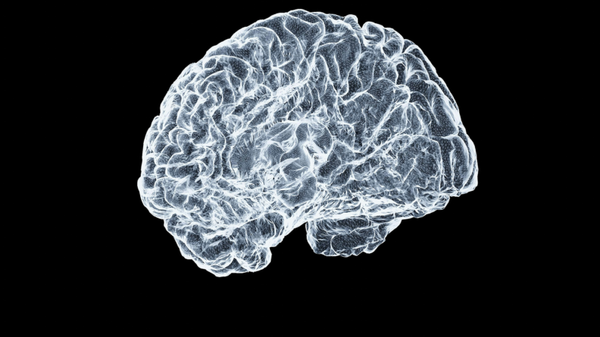
There are 57 million people worldwide living with dementia today. For the researchers working to help them, the obstacle isn’t a lack of effort — it’s too much data, too few experts to synthesize it and a pace of discovery that can’t keep up with the disease.
The Consortium for Biomedical Research and AI in Neurodegeneration (C-BRAIN), working with NVIDIA, is using AI to change that.
Alzheimer’s disease is one of today’s leading global health challenges, with over 10 million new dementia cases diagnosed each year. Despite a 7x increase in National Institutes of Health funding in the last 15 years — reaching $3.9 billion annually — no treatment has been found to stop, prevent or reverse the disease yet.
The bottlenecks are not enough high impact scientific findings, too much data living in institutional silos and too slow a pace of synthesis to keep up with the research that is published.
C-BRAIN, led by Dr. Randall Bateman and a consortium of 18 member institutions across academic, philanthropic, pharma and research organizations, launched in November 2025 to help scientists make better, faster discoveries by accelerating the research that makes new treatments possible.
“We have a window of opportunity with artificial intelligence to do research fundamentally different than we’ve ever done before, in a way that accelerates discoveries to help patients,” said Bateman, founder and director of C-BRAIN and the Charles F. and Joanne Knight Distinguished Professor of Neurology at the Washington University School of Medicine in St. Louis.
Source link