

A new system could help flag proteins generated by AI and ease risks to biosecurity. But it isn’t a perfect solution.
Proteins were once only created by nature. But it’s now possible to design completely new proteins from scratch using AI. The possibilities are endless. AI-designed proteins could become powerful drugs battling medical scourges, sentinels for the environment, or even the building blocks of synthetic life—including dangerous new pathogens.
Biosecurity is an obvious concern. But there’s another problem too: biological AI slop. AI-generated structures could pollute the databases scientists rely on to test theories or tweak protein functions. Without a way to distinguish experimentally validated structures from ones that AI simply dreamt up, scientists could spend months building on a rotten foundation.
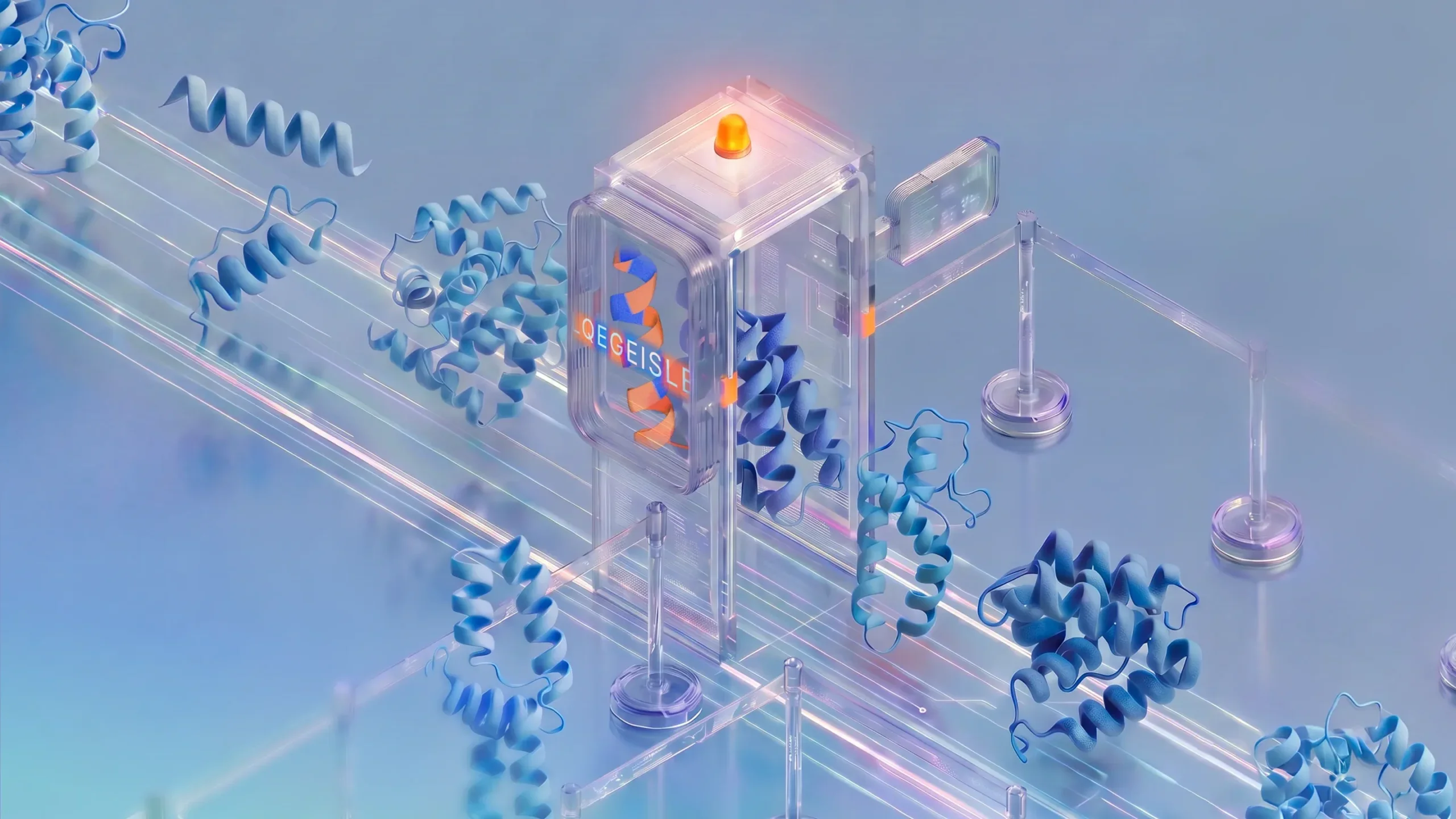
To prevent this, AI-designed proteins could soon carry a watermark. Adapted from a technology that labels AI-generated text, images, audio, and video, a new Google DeepMind method called SynthID Bio sneaks a subtle signal into proteins during the design process. The tool could be built directly into protein-design systems such as AlphaFold and RFdiffusion.
“AI is expanding what scientists can design, and DNA synthesis companies have an important role in helping that innovation scale responsibly,” said James Diggans at Twist Bioscience in South San Francisco, who was not involved in the work but provided early feedback.
Not everyone is sold on blanket watermarking. The process can jostle protein structure just enough to produce a less optimal, if still functional, version of the molecules. For protein scientists tackling non-sensitive research questions, this could amount to “added complexity” that worries them, Oliver Crook at the University of Oxford told Science .
Source link





