Business News Tech AI From smart glasses to AI pins, privacy fears challenge tech's next big bet
From smart glasses to AI pins, privacy fears challenge tech's next big bet
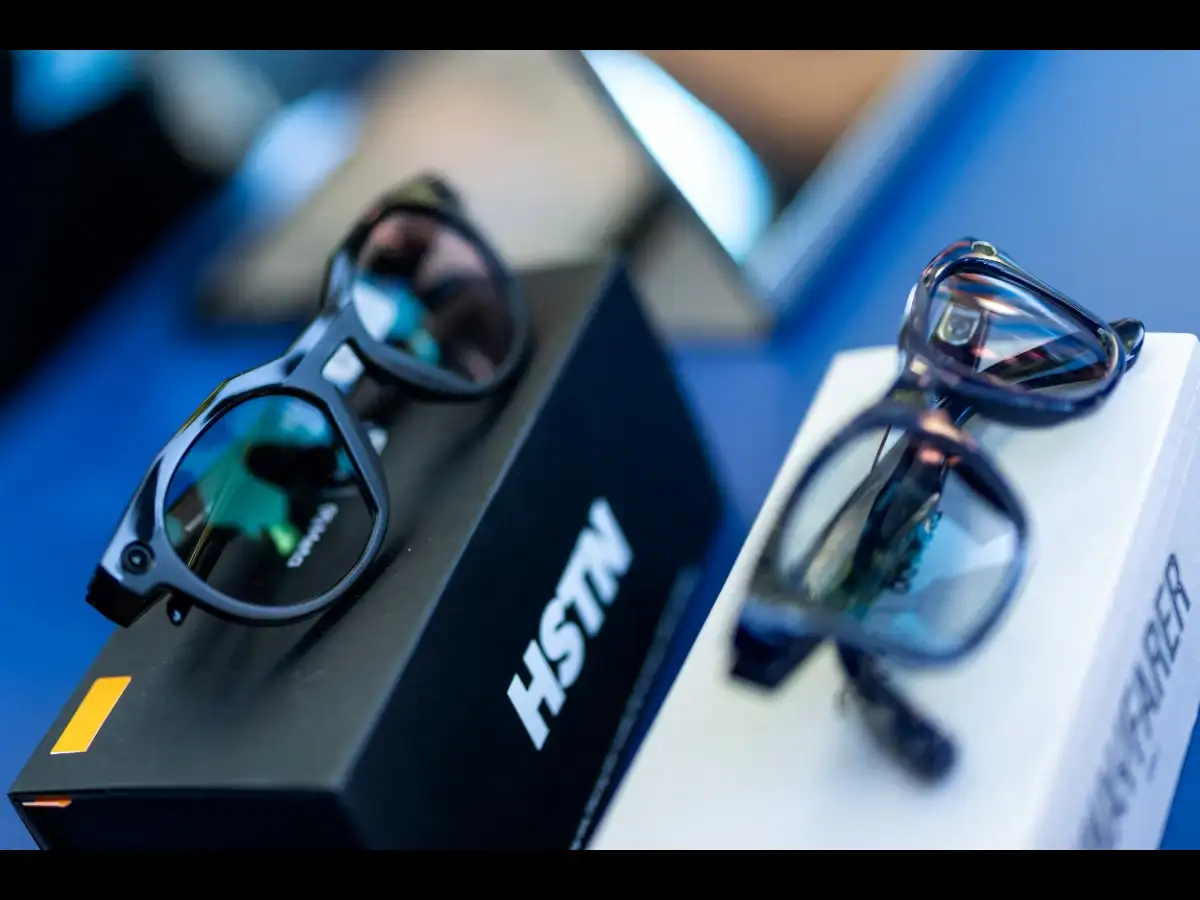
The backlash against devices that can see, hear and respond to the world around them has been strongest against Meta's Ray-Bans, which made smart glasses mainstream by pairing EssilorLuxottica's trendy designs with AI from the social media giant chasing "personal superintelligence."
Companies betting AI devices will usher in a post-smartphone era are fueling privacy fears around the globe that could slow adoption of the emerging technology. The backlash against devices that can see, hear and respond to the world around them has been strongest against Meta's Ray-Bans, which made smart glasses mainstream by pairing EssilorLuxottica's trendy designs with AI from the social media giant chasing "personal superintelligence." The glasses have become a lightning rod for growing unease over AI-powered devices, drawing scrutiny from courts weighing privacy lawsuits, users fearing covert recordings and critics warning of a future in which ubiquitous AI eyewear erodes expectations of anonymity and consent. Several UK venues, including one of the country's biggest pub chains, Wetherspoon, have restricted the use of the frames.
Meta is expected to unveil camera-free smart glasses as early as Wednesday at its Connect conference, according to media reports, highlighting the balancing act facing companies seeking a share of the more than $600 billion smartphone market. Device makers are trying out a range of form factors to get past those concerns, from glasses and pins to pendants and voice recorders that clip magnetically to a phone, according to Reuters interviews with nearly a dozen technology executives, analysts and legal experts.
Source link