

The AI industry has enthusiastically embraced the language of open source, even as some of its most prominent “open” models offer developers only a portion of what that term has traditionally promised.
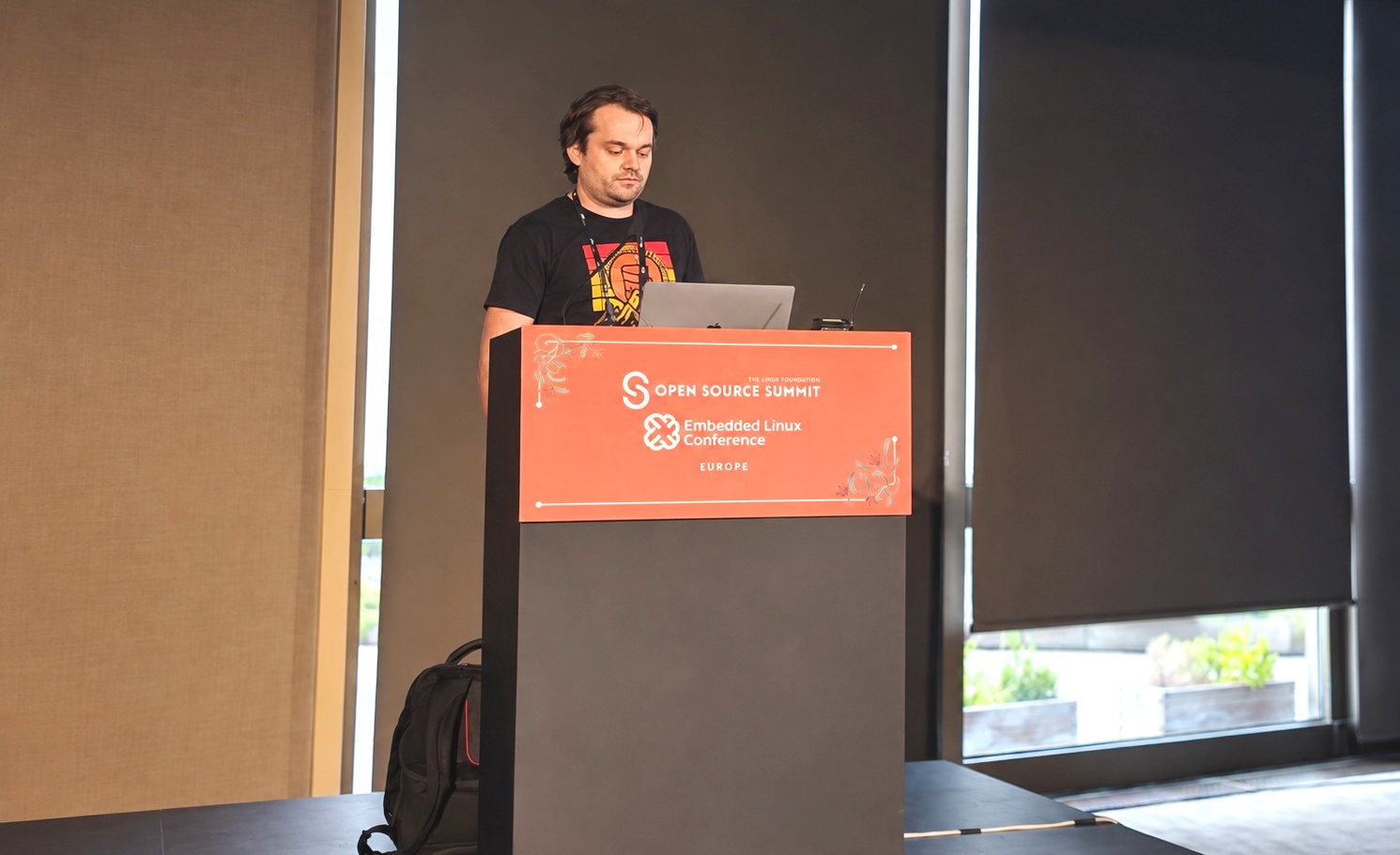
Speaking at Open Source Summit Europe in Prague on Wednesday, Peter Farkas, co-creator of the open source MongoDB alternative FerretDB and now CEO of open source database services company Percona, has a simple request: “Don’t use ‘open weight’ and ‘open source’ interchangeably,” he says.
“’Open source’ is only going to remain ‘open source’ as long as we preserve the actual meaning and the freedoms that are behind open source, and open weights are not providing that,” Farkas continues.
“’Open source’ is only going to remain ‘open source’ as long as we preserve the actual meaning and the freedoms.”
The distinction is particularly relevant as open-weight models become a major part of production AI. In August, they accounted for 56% of tokens processed through Vercel’s AI Gateway and 60% of US-originating token consumption on OpenRouter, with Chinese-developed models accounting for the majority
An AI model’s weights are basically the numerical parameters produced during training, encoding the patterns the model has learned. Making them available means developers can download and run a model on their own infrastructure, even when its creator has not released the ingredients or process used to produce it.
“You don’t have the source code, you don’t have the training data, you only have the output of these two,” Farkas says.
Source link





