Tasks from determining asylum seekers’ ages to border surveillance now involve AI, says Open Rights Group
AI has been embedded across the Home Office in near-total secrecy, reinforcing the so-called hostile environment for immigration, according to research.
Tasks from the detection of potential sham marriages to determining the age of asylum seekers and checking through the contents of phones of new arrivals now involve use of the technology, according to a report by Open Rights Group (ORG).
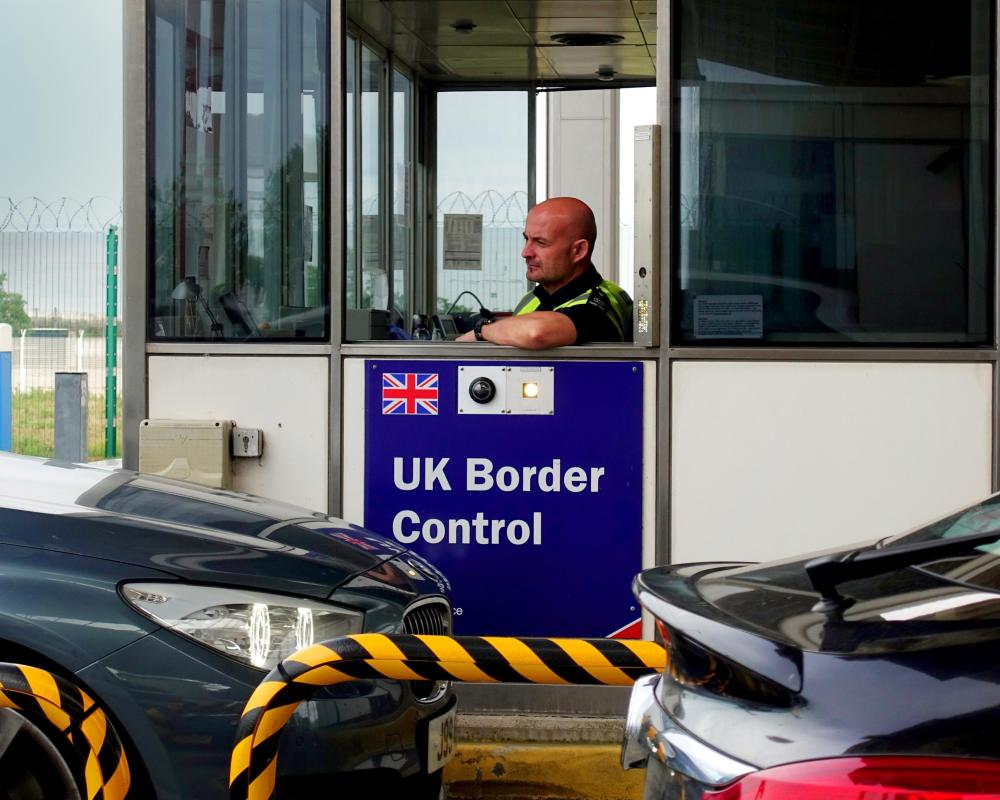
It is also being used to conduct surveillance of borders, through live facial recognition and AI-powered drones and satellites; to summarise asylum interviews and country policy information used as evidence in those interviews; and to prioritise and assess cases through the opaque Identify and Prioritise Immigration Cases (Ipic) tool.
Information for the report has been gathered from a mix of limited information published by the Home Office, freedom of information requests and questions from MPs. The report has cross-party support from Labour’s Bell Ribeiro-Addy, the Scottish National party’s Pete Wishart and the Green party’s Siân Berry.
The report, titled Automated Discrimination: Unpacking the Digital Hostile Environment, raises concerns about the use of AI in immigration, saying it is not neutral or accurate and can replicate bias and discrimination within society, particularly when a key driver for its use is anti-immigration policies and rhetoric.
It says AI is being trialled and tested in near-total secrecy, with officials routinely invoking national security to stonewall freedom of information requests and redact disclosures. Successive governments are criticised for pushing an ideology that reduces complex human cases to a technical problem that can be fixed.
Source link