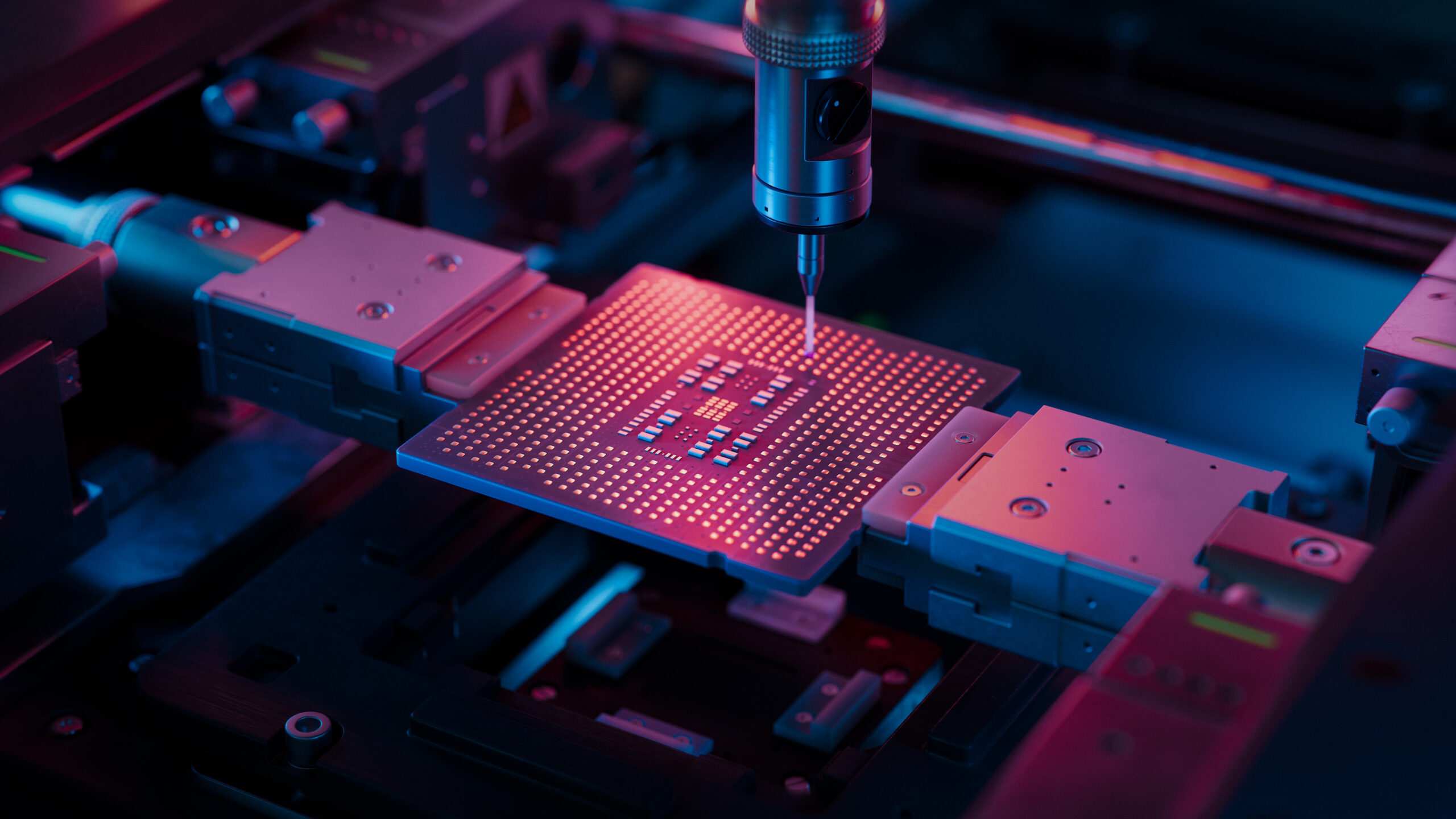
Semiconductor manufacturing has always depended on engineers making decisions involving complex interactions among process parameters. An etch recipe, for example, may involve combinations of RF power, pressure, gas chemistry, temperature, and timing, each affecting multiple process characteristics. Changing one parameter might improve critical dimension control while creating problems elsewhere. But as devices and manufacturing processes become more complicated, the growing number of variables involved makes those decisions increasingly difficult.
AI-driven manufacturing offers a way to manage some of that complexity, from finding better process conditions to identifying defects and responding to problems on the production line. But how much production responsibility engineers are willing to give those systems remains an open question, and one that drew considerable attention at SEMICON West 2026.
“No matter how good we are as engineers, no matter how disciplined and objective we are, we tend to approach these difficult problems with historical biases,” said David Fried, chief AI officer and corporate vice president of Semiverse Solutions at Lam Research during a conference panel. “A process engineer might look at a set of data and say, ‘I need to move into a lower-pressure, higher-power regime because that’s how we solved this problem 10 years ago.’ But with this massive parameter space, AI can point us in a different direction, into an operating region we might never have considered because we couldn’t see those relationships in the data before.”
Finding a process that keeps working Finding an unfamiliar operating condition is useful, but determining whether it will hold up in production is another matter.
Source link