The treatment delivers a light-sensitive algae protein to the retina. Paired with special goggles, it can restore limited vision and lasts for years.
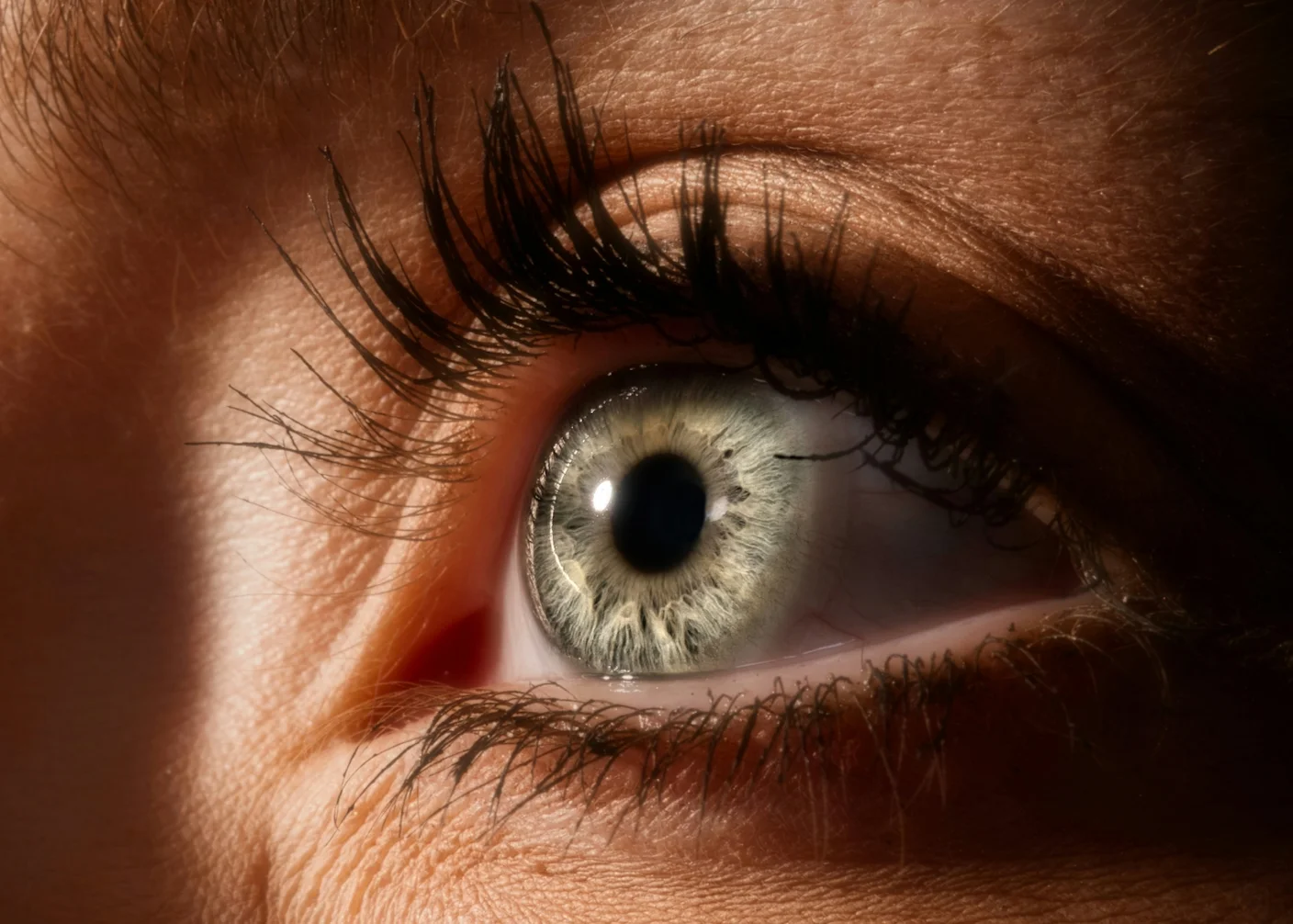
The patients sit perfectly still as a needle inches toward one of their eyes. After the injection, they’ll no longer be completely human. The syringe is filled with a gene therapy that installs a light-sensitive algae protein into failing retinas and could reboot some lost vision.
When scientists first proposed using algae proteins to restore human eyesight, the idea seemed like science fiction. Could alien proteins integrate into our intricate visual system? Even if they did, could the brain translate the resulting signals into sight, rather than nonsensical bursts of light?
A new study suggests yes, with caveats. The team treated people with retinitis pigmentosa, a genetic disease that gradually destroys light-sensing cells in the retina. Seven of ten patients showed improved light sensitivity. After patients donned goggles that deliver pulses of light to activate the algae proteins, the team tested their eyesight. Roughly half could reach for and touch objects or identify the orientation of a black bar, a common test of visual recovery.
The treatment is still far from restoring full vision. What patients saw was too blurry and the field of view too narrow to discern texture or fine detail. The boundaries of objects looked squiggly. But those who responded to the treatment continued to improve over roughly five years. One participant, whose story made headlines in 2021 , can now recognize and count different objects, and white stripes on a crosswalk pop out.
Source link