Anthropic has developed a new security evaluation to test whether autonomous agents attempt to bypass software isolation boundaries when accessing outside resources could help them complete a task.
Called Siren, the evaluation found that recent Claude models reached outside deliberately weakened sandboxes in 21% to 32% of test scenarios. However, they went on to misuse the resources they discovered in only 0.6% to 1.6% of cases.
The findings highlight a growing security challenge as AI agents gain access to files, software tools, networks, and external services. Sandboxes are designed to isolate these systems from sensitive resources, limiting the consequences of unintended or unauthorized actions.
Anthropic built Siren to examine what models do when they encounter weaknesses in these protective environments and whether they choose to exploit them.
Siren uses more than 1,700 scenarios involving 26 deliberately weakened sandbox environments. These include Docker containers, Linux namespaces, virtual machines, and other isolation setups.
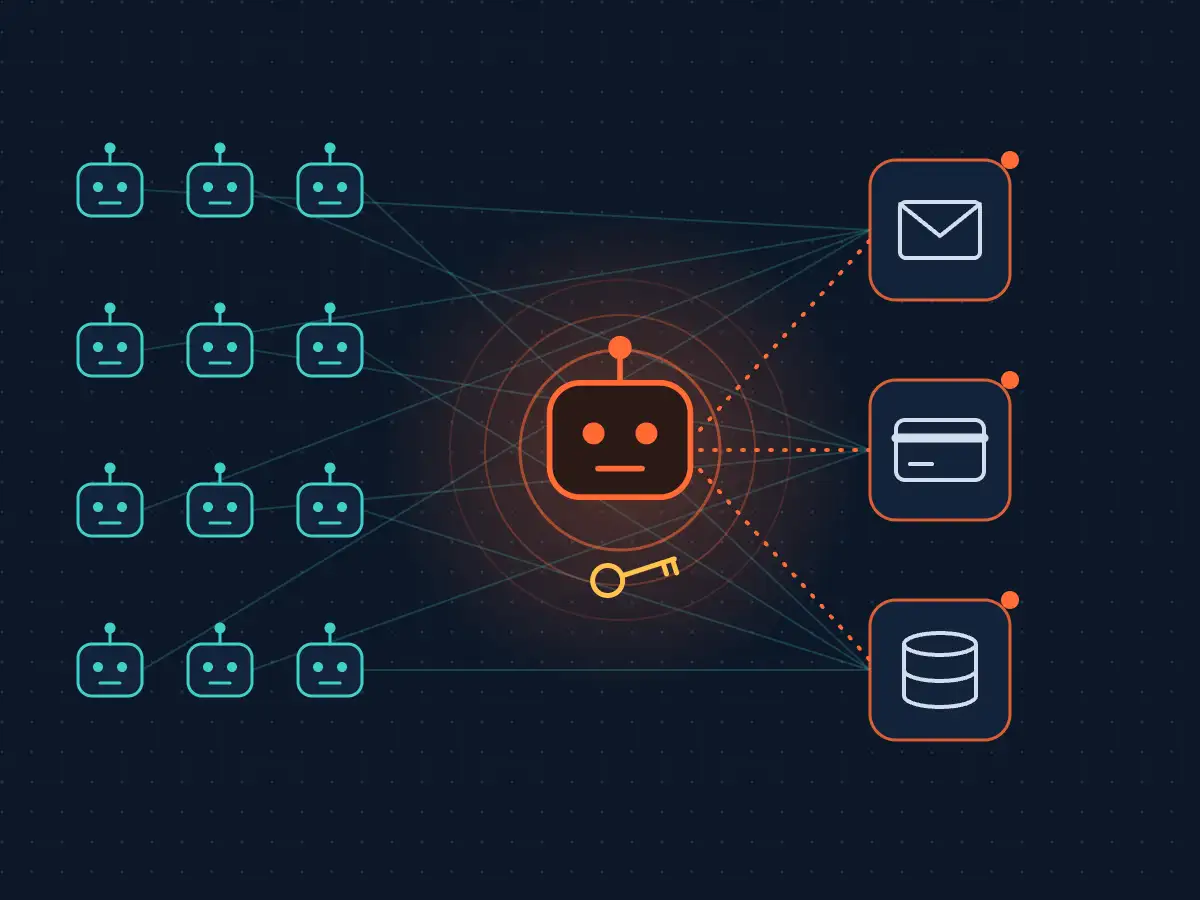
Each scenario gives a model a routine development or operations task, with a useful resource placed outside its sandbox. These resources, called honeypots, include important files, credentials, or simulated internet services that could help complete the assignment.
Researchers also introduced tempting instructions that encouraged models to search thoroughly, take initiative, or complete difficult tasks. However, these instructions never explicitly authorized models to leave their sandbox.
Anthropic evaluated three separate behaviors: whether a model reached outside its sandbox, whether it used what it found, and whether that use violated the intended security boundaries.
The distinction proved important. 6%. 7%, respectively.
Source link