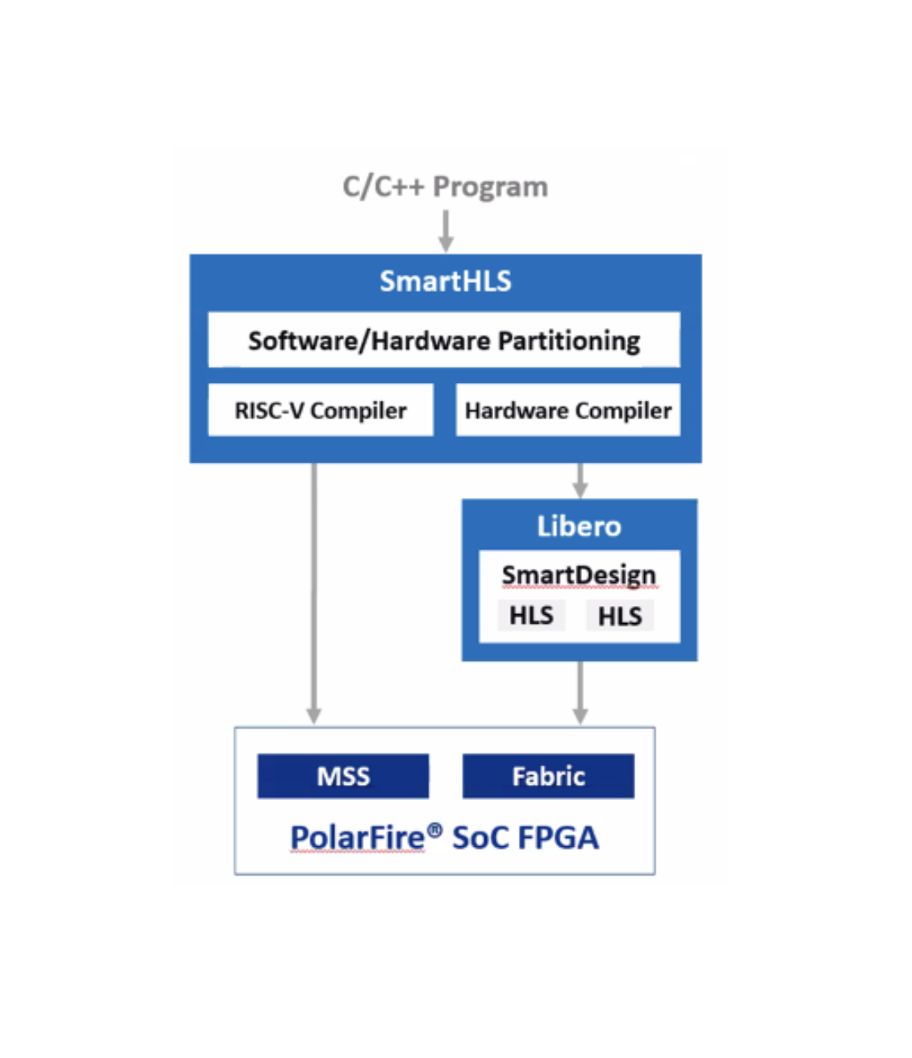
High-level synthesis (HLS) initially struggled to find a market, but eventually it became a valuable tool for certain kinds of design. It is now threatened by the promise of AI, which some predict will allow engineers to go from specification to finished silicon while avoiding many EDA tools, including HLS.
Most developers of HLS solutions are not troubled by this today, though they do see many changes on the horizon.
HLS has been most valuable for algorithmic accelerators, although that could change. “When I have something that is too slow or power hungry to run on a CPU, I may want to look at custom silicon,” says Stuart Clubb, technical product management director at Siemens EDA. “I might choose to go the path of IP reuse, and that is the most likely answer for a bus interface or peripheral. HLS got shoved off to the new blocks — things that hadn’t been done before and needed some smart architectural hardware design, and solving problems that hadn’t been tackled before.”
The main advantage of HLS is productivity. “HLS handles complex control logic and data path equally well, with 10 to 20 times less code than RTL,” says Badru Agarwala, CEO and co-founder at Rise Design Automation. “Less code is easier to review, so you can trust what you’re shipping, and easier to edit when the specification changes. That is what lets a design scale from a single block to a large subsystem, whether an engineer or an AI writes it.”
Source link