On 11 August, Anthropic announced that all future Claude models will generate text that contains a watermark that identifies its results as AI generated. The company is not alone. Google has its own text watermark (which Anthropic’s is based on) that it uses on the output of its Gemini models. OpenAI has yet to introduce a text watermark but it plans to do so.
The rapid spread of watermarking is in part a response to the European Union’s AI Act, which mandates watermarks for AI models released after 2 August, 2026, along with other planned and proposed regulations aimed at curbing the spread of deceptive or manipulative AI-generated content. But the new rules may come at a cost for AI users who simply want the best possible results.
AI watermarks can apply to many forms of content: The EU Artificial Intelligence Act also requires them for images, audio, and video. Such media watermarks have been in use for years, and while their effectiveness as a holistic solution to marking AI remains up for debate, they can achieve detection rates above 99 percent. Image and video watermarks are already deployed by OpenAI, Google, and Meta, among others. (Anthropic doesn’t provide an image generation model.)
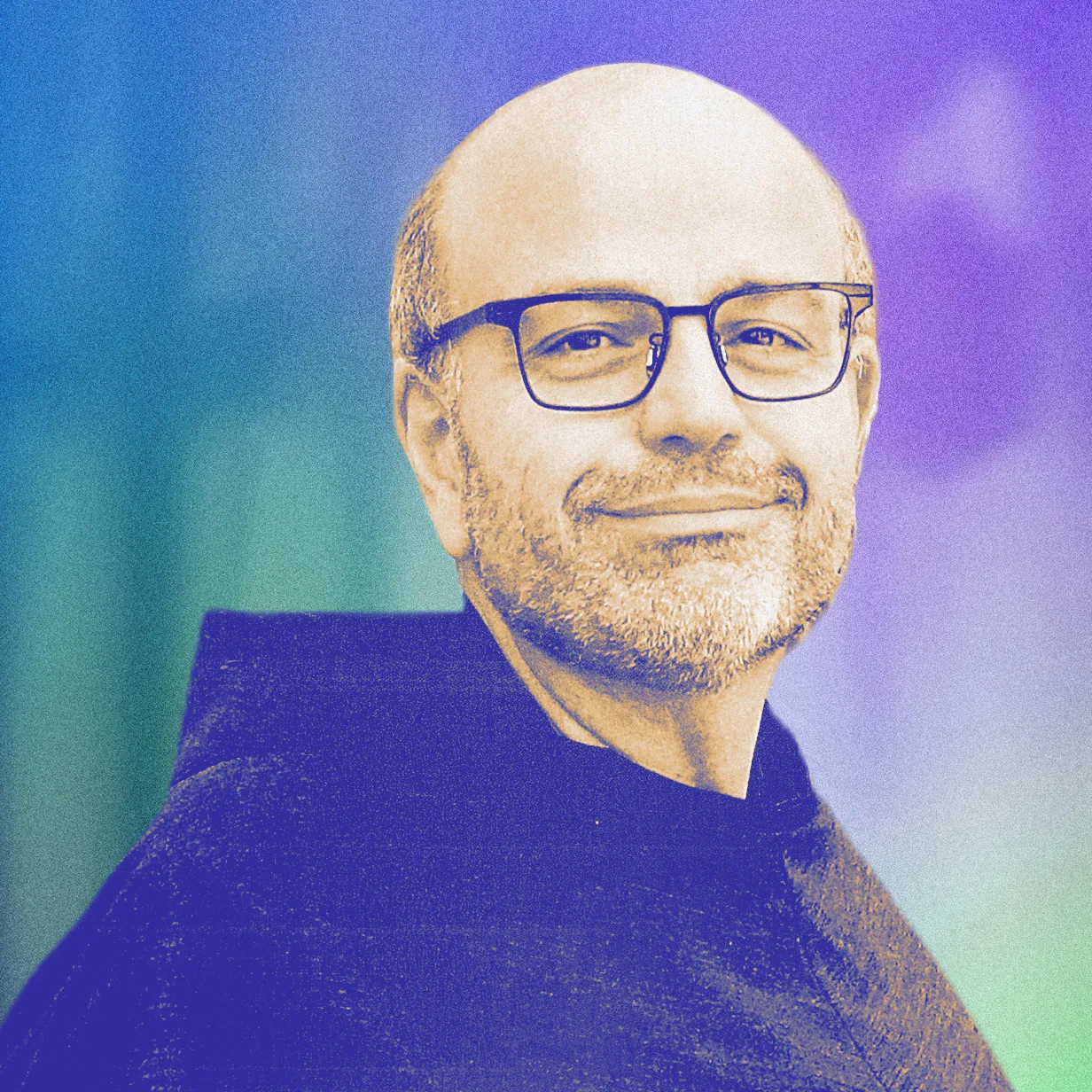
Text watermarks have been less frequently deployed, however, and not everyone is convinced that text watermarking can work without compromising the quality of an AI model’s response. John Gruber, a prolific technology writer and co-creator of the Markdown language, calls the watermark a “ perversion of writing ” and disputes Anthropic’s assertion that a watermark doesn’t change the meaning or quality of text.
Source link