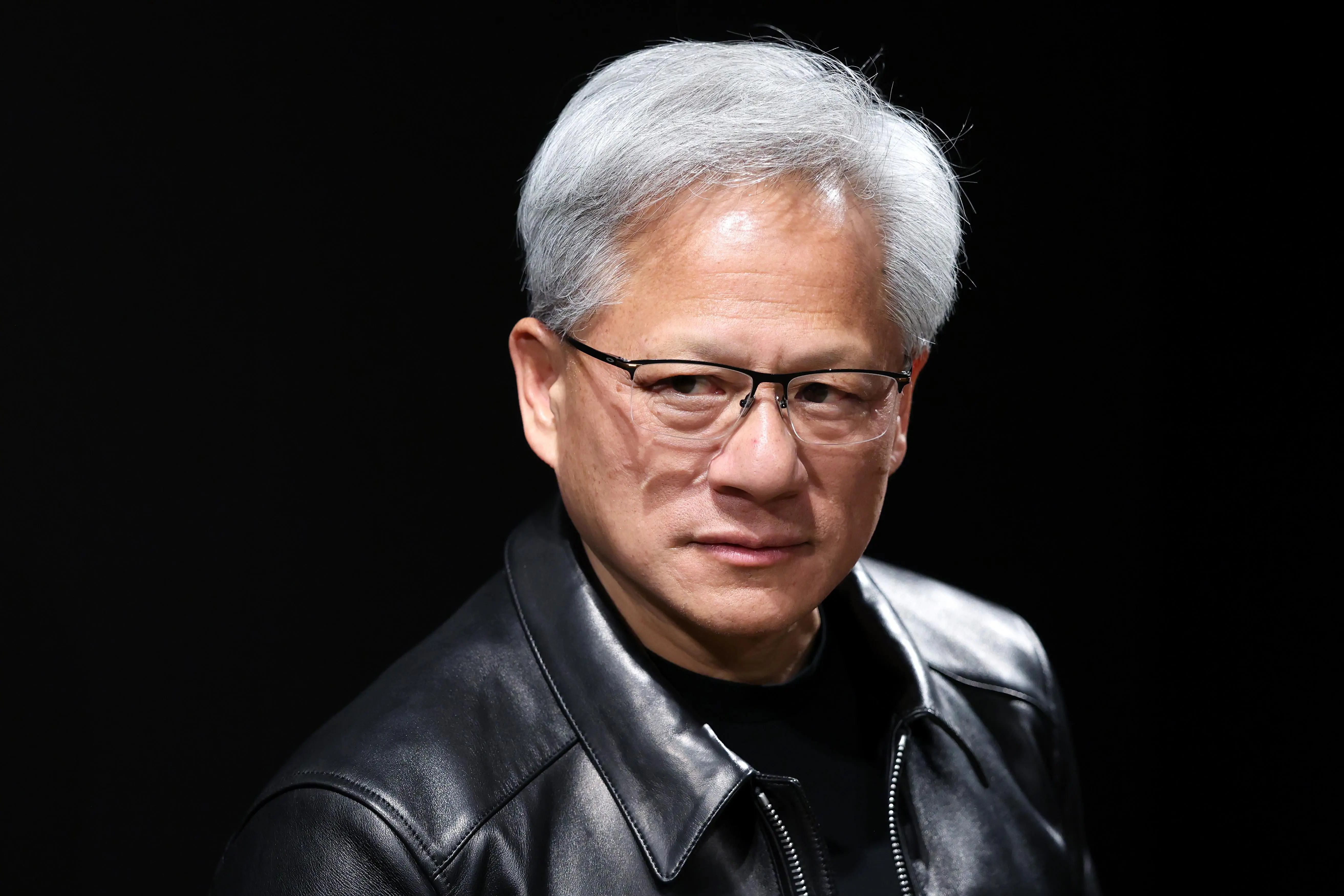
In response to the emerging threat of rogue and shadow AI agents, here's how the newly formed Blueprint Alliance seeks to help businesses secure their systems against anomalous AI activity.
When a swarm of AI agents, many autonomously provisioned by other poorly governed AI agents, escaped OpenAI’s labs and stole information from servers belonging to another company (Hugging Face), many experts viewed the incident as a major tipping point in cybersecurity and AI cyber capabilities. (To what extent are models now resourceful enough to engage in self-directed harm?)
OpenAI referred to the incident as “unprecedented.” It was the first AI-directed attack of its nature to go viral across mainstream headlines, and it wasn’t long before reports of other agents-gone-wild made headlines as well. The most recent of these reports involved three companies that were inadvertently attacked by Google Gemini agents.
In one corner are the inventors of AI themselves, saying that the time has come to take a breather from AI innovation in order to get the technology under control. You’d think they should know. For example, OpenAI sounded the alarm that a swarm of potentially malicious AI agents is only months away from wreaking havoc.
In the opposite corner is US President Trump posting to his Truth Social network that “AI taking over the World, destroying Humanity, and all other things bad, is a HOAX.”
In between are all the businesses and consumers getting whipsawed between the two points of view and trying to figure out what to do next.
Source link