ElevenLabs builds the voice layer of AI, the models that turn text into speech that sounds human. Most people encounter it when they’re talking with customer service — often without realizing it. Klarna runs first-line phone support for 35 million U.S. customers on it, for example. So do Deutsche Telekom, Cisco, Adobe, and a growing list of governments. ElevenLabs also sells to creators, who use its platform for audiobooks, dubbing, and music.
It’s not alone in what it does. In fact, it’s increasingly bumping into customers, including Decagon, a conversational AI platform that trained its voice product on ElevenLabs and now competes with it. But its investors don’t seem too concerned. The company, which says it’s pacing at $600 million in annual recurring revenue, is now reportedly valued at $22 billion by its backers, despite being just four years old.
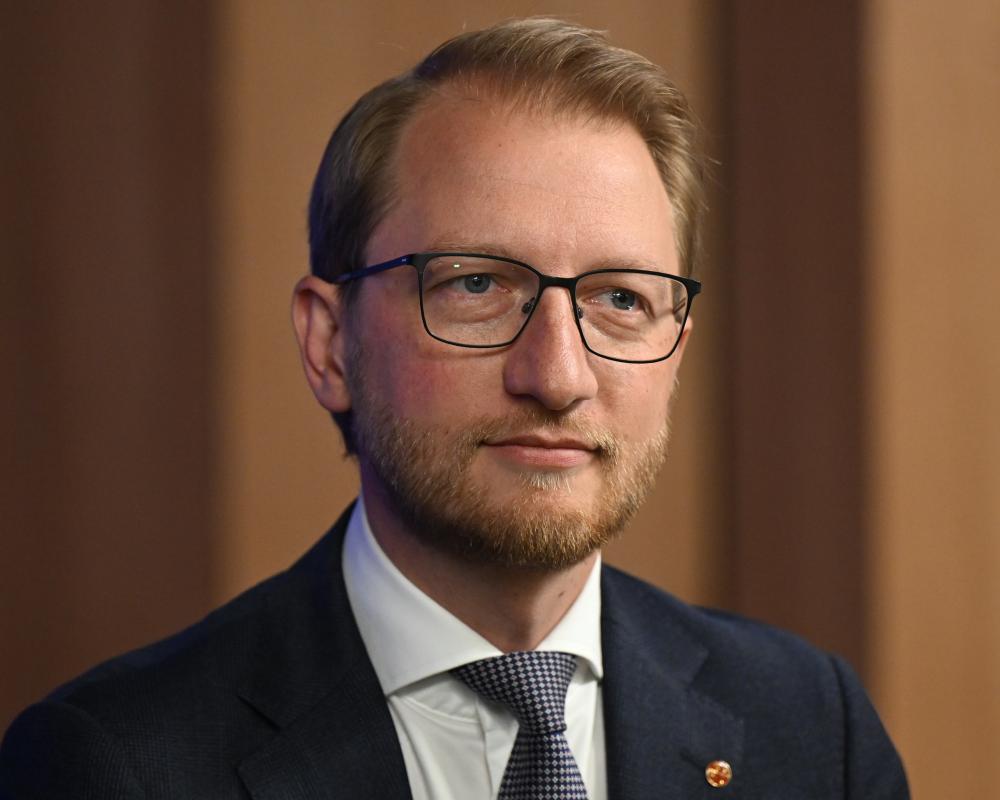
To understand more, I interviewed ElevenLabs co-founder and CEO, Mati Staniszewski, at Nrth in Toronto, a local entrepreneurship conference formerly known as Elevate. We covered a range of topics in a short time, including whether businesses should tell customers when they’re talking to an AI (he thinks they should), and whether he could discuss the company’s gross margins. Unsurprisingly, Staniszewski said he couldn’t discuss them in any detail, but he was clear that he doesn’t mind them getting squeezed even further if it means expanding the company’s market share.
Our conversation follows, condensed and lightly edited. You can check out the full conversation here.
You joined us at TechCrunch Disrupt last year, where you said audio models would be commoditized within a couple of years .
Source link