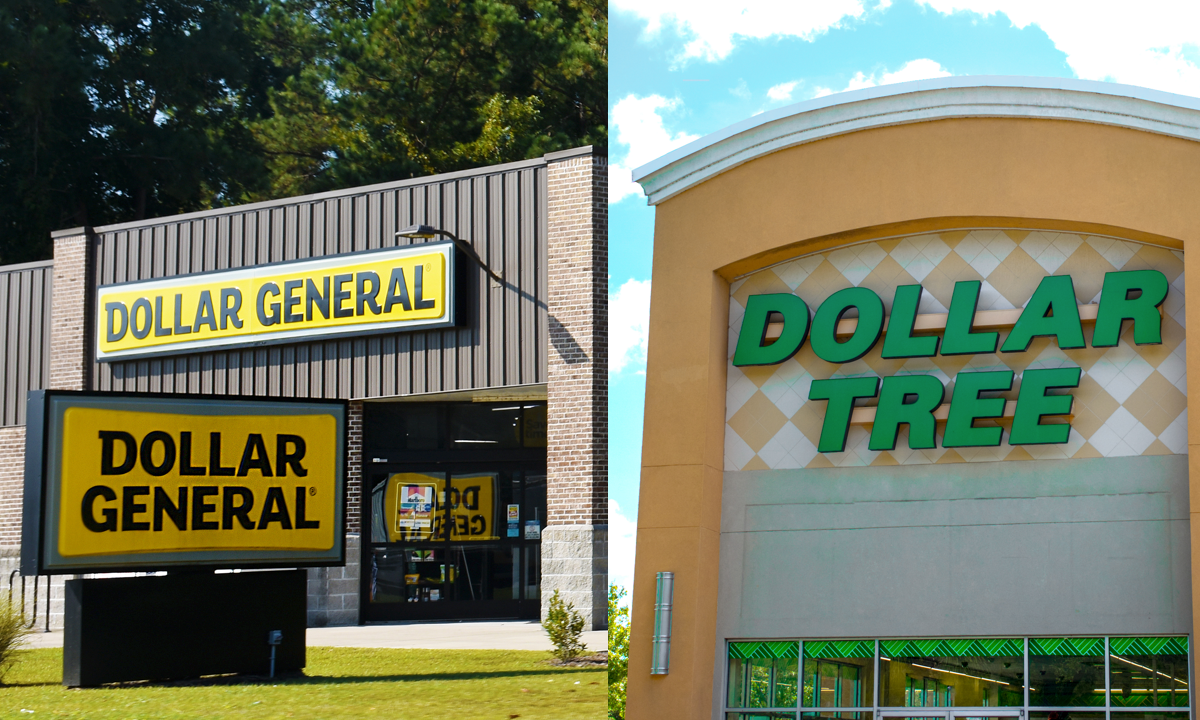
Dollar stores are getting more business from middle- and high-income households at the same time that their traditional low-income customers remain under pressure from the cost of necessities.
The split was visible in second-quarter earnings results reported Thursday (Aug. 27) by Dollar General and Dollar Tree. Dollar General said it continued to see customers trade into its stores from middle- and high-income groups. Dollar Tree said its year-over-year sales gains skewed toward middle- and high-income households. Meanwhile, both companies described low-income customers as particularly sensitive to the cost of food and other everyday purchases.
At Dollar General, same-store sales rose 3.5% as customer traffic increased 2% and the average transaction rose 1.5%. However, customers bought fewer items per transaction. Higher average retail prices accounted for the increase in the transaction amount, according to the company’s 10-Q filing with the Securities and Exchange Commission.
CEO Todd Vasos said during an earnings call with analysts that Dollar General’s core customers “continue to be financially constrained,” citing fuel prices and inflation among the pressures on household budgets. These customers have been forced to prioritize purchases around “value and affordability.”
Dollar General’s sales remain heavily concentrated in necessities, the filing showed. Consumables accounted for 82.1% of second-quarter sales. Consumables sales increased 5%, while seasonal sales rose 7.4%, home products 4.8% and apparel 4.5%.
Yet the company is also seeing evidence that consumers haven’t stopped buying discretionary merchandise altogether. Dollar General said non-consumables have grown faster than consumables on a same-store basis for six consecutive quarters.
Source link