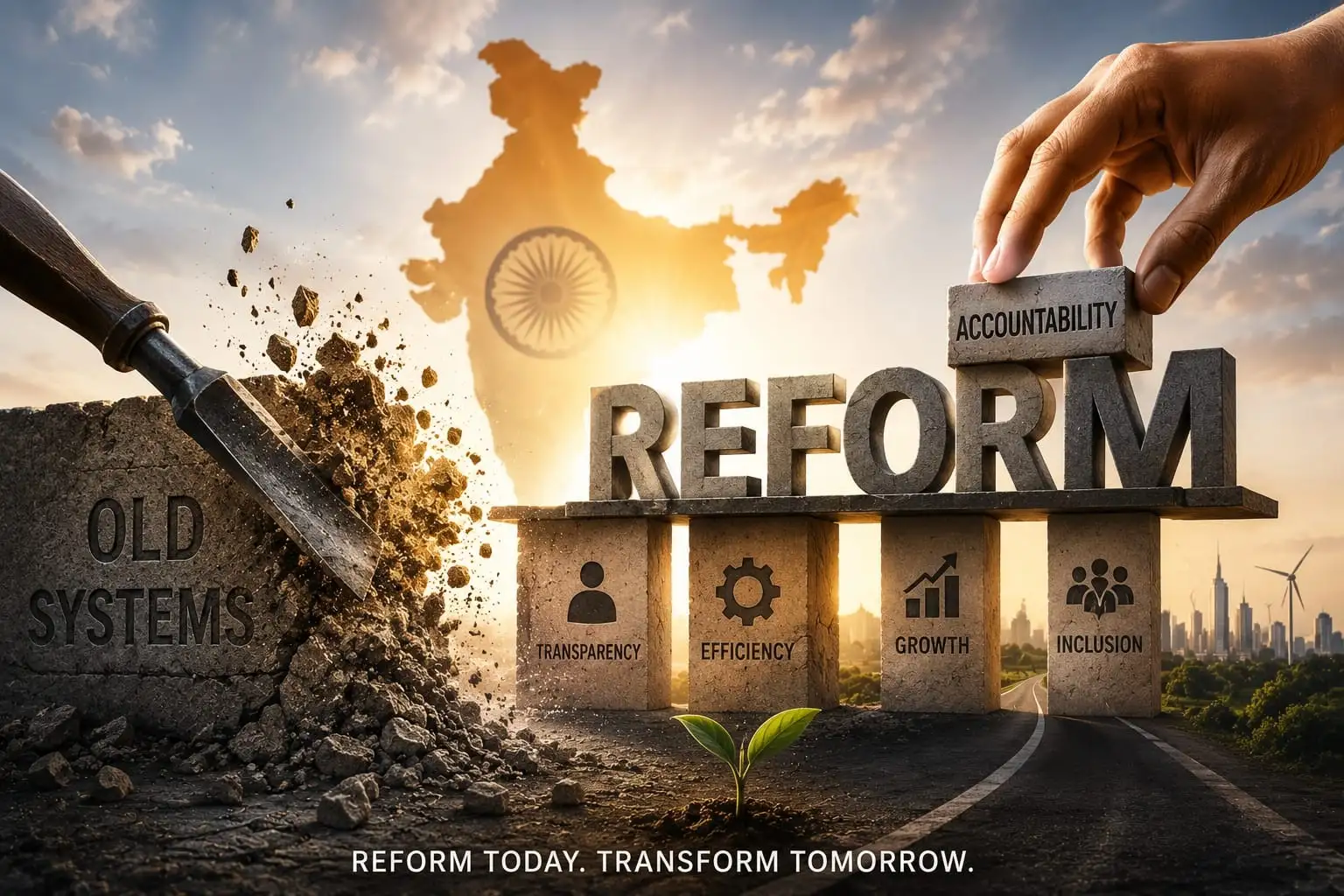
“We can't fight new wars with old weapons" — Acharya Vinoba Bhave Dear Readers, I love black coffee and cheesecake. It's a deadly combination. Recently, I tried a mandarin coffee with a blueberry cheesecake, and I loved it. While sipping the coffee, a simple thought came to mind. Could I have had the same coffee had liberalisation not taken place? Thirty-five years after India’s then Prime Minister Narasimha Rao and Finance Minister Manmohan Singh dismantled the systems and tore off the archaic laws, the question is no longer whether liberalisation changed the economy. It did. The bigger question is whether the reforms of 1991 are sufficient for India in 2026. Importantly, what should we change or reform before 2047? Advt But before that, let me tell you that I have been writing the Friday columns for the last 5 years. Apart from a few lakh ETBFSI subscribers, this column has also crossed 30 thousand subscribers on LinkedIn. If you want to read my previous columns, click here. Reforms that India Needs Liberalisation scrapped the licence raj, and Indians got relief from the long queues for rations, milk, kerosene and groceries. Even buying coffee needed permission from the Coffee Board of India. So, I believe liberalisation was the first generation of reforms that opened the economy, but the next phase of reforms should focus on productivity, scale and competition. The world has changed a lot after the war in Ukraine. It flared up with the tariffs imposed by the US and another war between Iran and Israel, involving the US.
Source link