There are millions of Tesla vehicles on the road today which were sold on the promise of full autonomy, but without hardware capable of doing so. Tesla has hemmed and hawed about solutions to this problem – so one owner took it into his own hands.
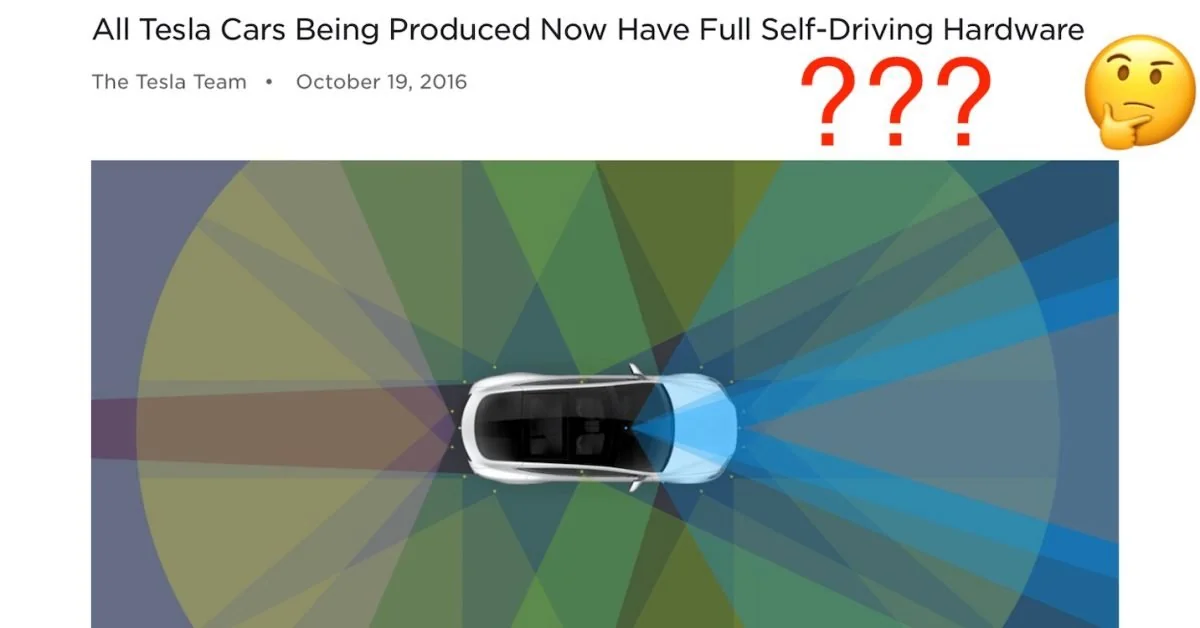
In late 2016, Tesla announced on its company blog that “All Tesla Cars Being Produced Now Have Full Self-Driving Hardware.” The post has since been deleted, but for many years, this was a promise that Tesla had made to its owners.
But that was in 2016, and in the meantime, computer hardware has improved. And self-driving tasks are proving to be more cumbersome than some had predicted.
It soon became apparent that the original Tesla self-driving hardware, or HW1, would not be good enough to fully power Tesla’s Full Self-Driving (FSD) software, which at the time it sold as an upfront purchase costing thousands of dollars. Tesla came out with a new version, HW2, and then another, HW3.
For Tesla owners who had purchased the FSD package, Tesla offered free upgrades to HW3 (although, Tesla still charges some owners $1,000 for this hardware they already paid for). This swap was a quick service job, pulling the old computer out and dropping a new one in.
But even HW3 proved not to be capable enough to let cars drive themselves. So, now we have HW4 (which Tesla has started calling AI4 to capitalize on the AI bubble), and HW4+ .
Source link
![Lucid launches ‘America’s most powerful 3-row SUV’ with over 1,000 hp [Images]](https://startupnews-media-2026.s3.us-east-1.amazonaws.com/startupnews-in/uploads/2026/08/rss-mt8yop37-4krxg1-2.webp?X-Amz-Algorithm=AWS4-HMAC-SHA256&X-Amz-Content-Sha256=UNSIGNED-PAYLOAD&X-Amz-Credential=AKIAZQ3DRHCSCL44VIMT%2F20260825%2Fus-east-1%2Fs3%2Faws4_request&X-Amz-Date=20260825T175247Z&X-Amz-Expires=604800&X-Amz-Signature=a05ea360aea4c3f992f2784a6023d391ae324251c9dc8fa6ca43fb872a7dfb6b&X-Amz-SignedHeaders=host&x-amz-checksum-mode=ENABLED&x-id=GetObject)