Surgeons aided by real-time analysis of camera footage that identified critical anatomy in brain to be avoided
Neurosurgeons in London have performed the world’s first successful AI-assisted operation to remove a brain tumour, saving the sight of a 48-year-old man, health officials have said.
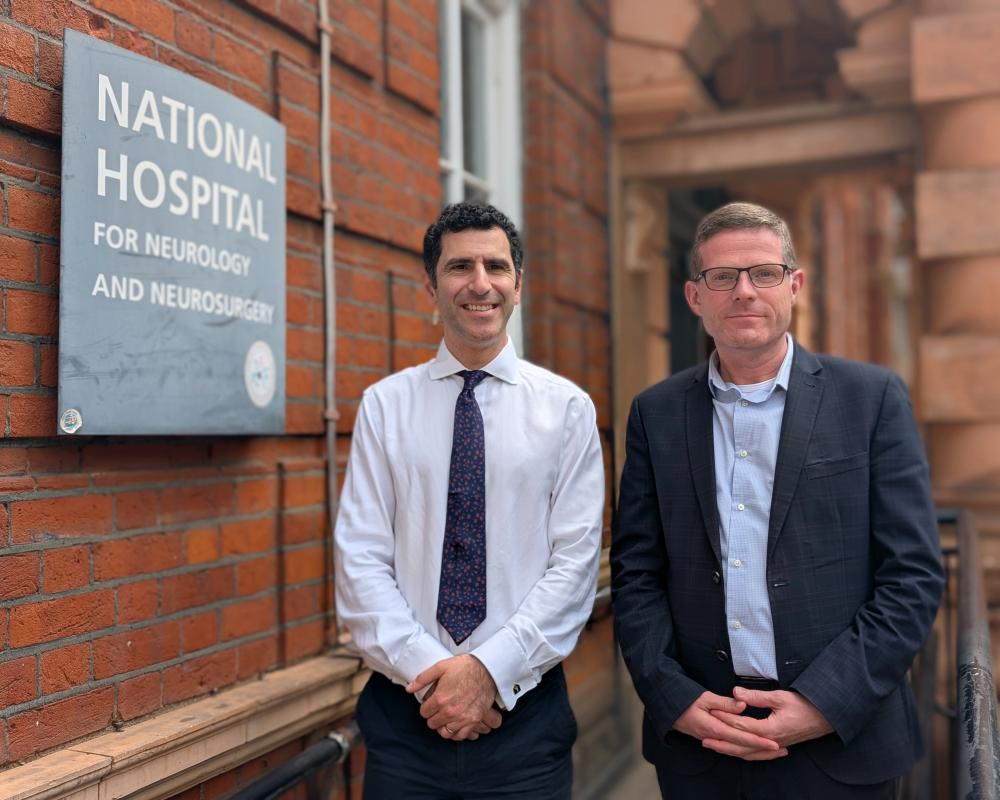
The surgery was performed in May at the National Hospital for Neurology and Neurosurgery (NHNN), part of University College London hospitals NHS foundation trust, but details were kept secret until Thursday while the patient, Rhys Hibbert, recovered.
While the surgical team remained in full control, the AI system analysed live camera footage during the operation, helping identify key structures such as nerves and blood vessels that should be avoided near the 11mm (0.4in) tumour on Hibbert’s pituitary gland.
“When I came round … I could see everything in the room clearly,” said Hibbert, who was able to walk independently without glasses or sticks within a week of the surgery.
He has since returned to work as a customer service manager. “It feels like I’ve got a 360‑degree panoramic view of everything around me,” he said.
The surgeons operated on Hibbert using new AI technology which helps to identify tiny anatomy in the brain by colour-coding important structures to help surgeons recognise them safely.
The hospital had previously used the technology as a research tool but the operation was the first time it had been used on a patient.
The pituitary gland, blood vessels and nerves controlling vision are tightly packed together, and “going a millimetre wrong can make a critical difference”, health officials said, potentially leading to blindness, stroke or death.
Source link