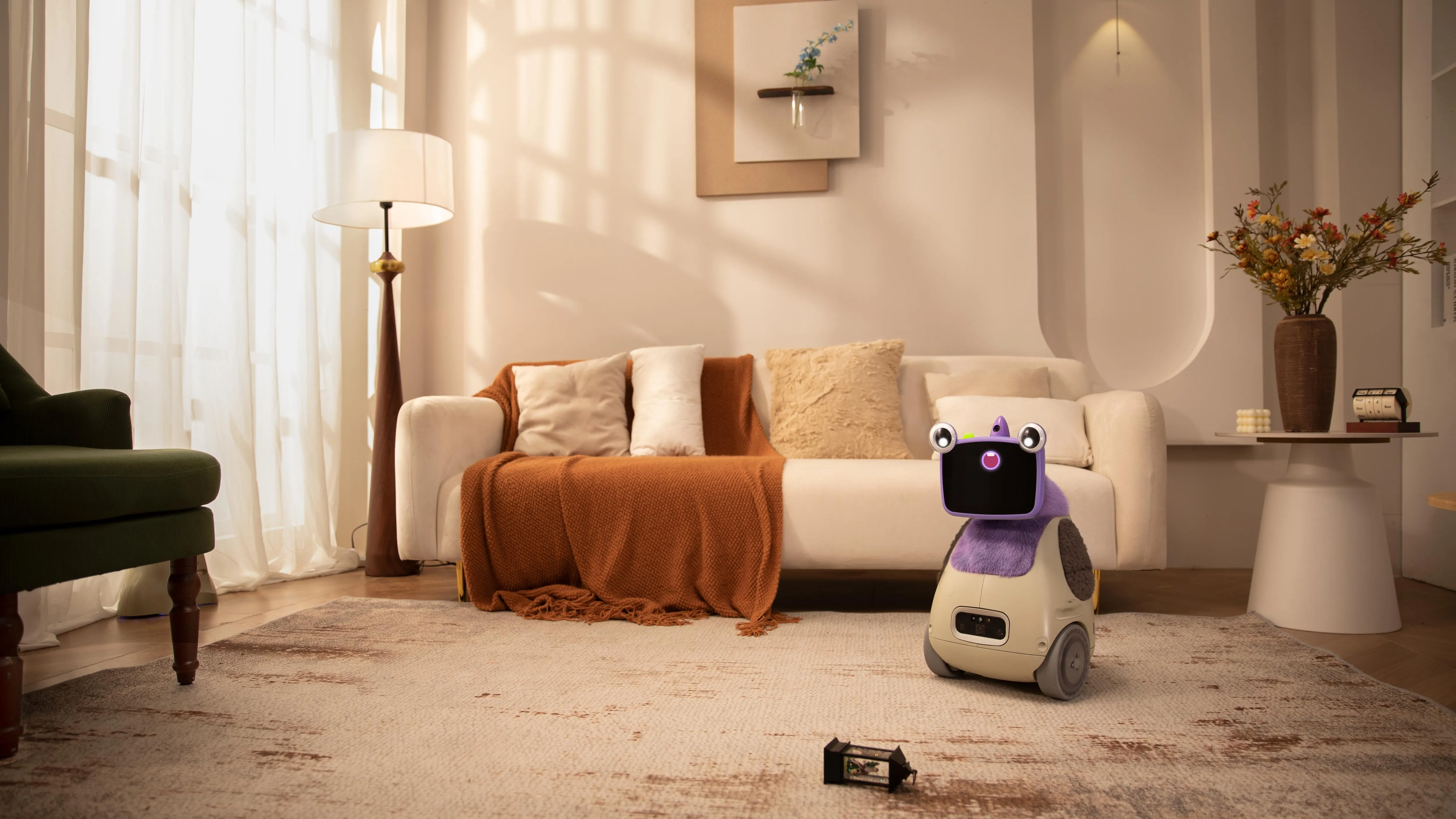
From about 2017, individuals began to truly connect with the initial wave of companion robots. These devices had personality, moved around, joked, and answered when you spoke to them. Most early companion robots, however, were still limited by simple voice-command interactions and narrow functionality. Once the novelty wore off, many ended up sitting unused on shelves. As some of those companies went out of business and turned off their servers, many owners likened it to losing a pet.
What Ollobot describes as “gentle intelligence” is a useful way to think about where the serious work in this category is going. Not toward more powerful assistants, but toward more present ones.
Loneliness is not a niche issue. According to one study, nearly one out of three elderly adults resides alone, meaning they do not have daily companions. Research also shows that children whose parents have migrated for work, leaving them in the care of relatives, were 2.5 times more likely to experience loneliness than children whose parents remain with them. Among working adults living alone in urban environments, similar patterns of social isolation emerge, even if they are less visible.
Over the years, technology has time and again attempted to solve this problem via video calls, smart speakers, and messaging apps without much success. Those tools are geared towards communication between people that already have relationships. They do not create presence. They schedule it. That is the gap that a new generation of AI companion robots is being engineered to fill.
Source link