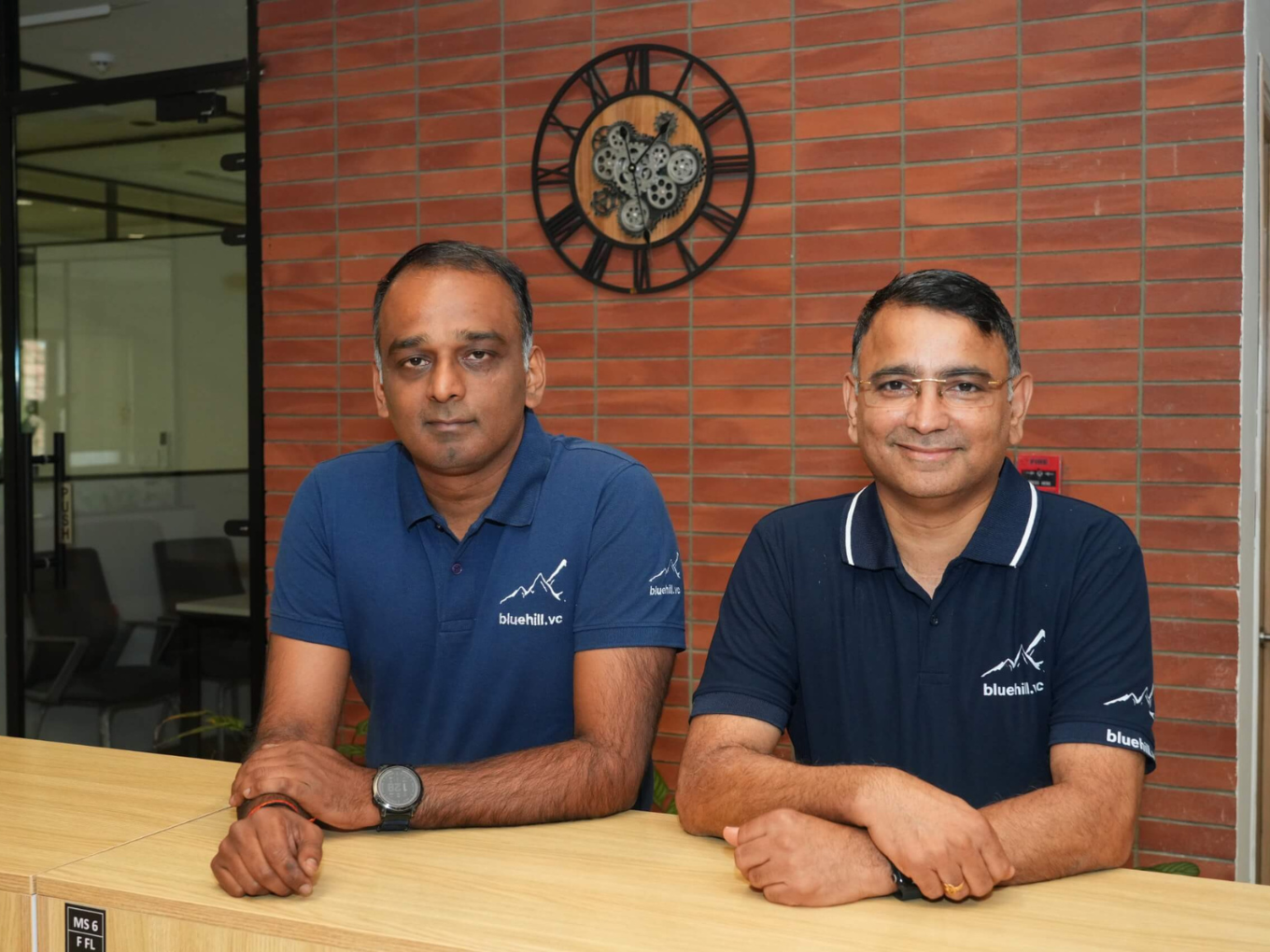


Isadora Arredondo, VP of global policy at Hedera, on the Treasury’s wholesale tokenisation taskforce,
The question the taskforce has to answer is not whether the technology works. It is whether the resulting market is one market or a collection of disconnected pilots. The Fintech Times put written questions to Isadora Arredondo, VP of global policy at Hedera, on why the coordination is happening now, what the Australian Project Acacia programme does and does not transfer to the UK, and what a fragmented tokenised market would actually cost.
There’s much less debate now about whether the technology itself can work. We’ve clearly seen that it can. The hurdle now is implementation at scale: institutions have demonstrated that bonds, funds, and other assets can be issued and transferred using distributed ledger technology. We now need to demonstrate that these assets can function safely and seamlessly across the banks, payment systems, and market infrastructures that make up the financial system.
Previous pilots have been limited to one platform or a small group of participants. They proved individual components could work, but did not fully address shared questions such as ownership, settlement finality, and operational accountability. No single institution can define those arrangements for the wider market, and that's why we’ve seen 54 firms brought together.
Institutional demand has also become more practical which is why I think we’re seeing greater impetus for action. Firms are assessing tokenised funds, repo, collateral and sovereign debt as potential ways to reduce reconciliation, improve settlement and make assets more operationally useful.
Source link