While the fintech sector in Nigeria has grown markedly over the past years, stakeholders still face persistent obstacles that impede their growth, including regulatory uncertainty, infrastructure deficiencies, and compliance costs, according to a new report by the Central Bank of Nigeria (CBN).
The report, based on a 2025 survey of leading fintech executives, a closed‑door workshop held in June, and the CBN Fintech Roundtable in October, shares the challenges faced by the industry, highlighting that regulatory clarity and the speed of decision‑making are the most consistent concerns for stakeholders.
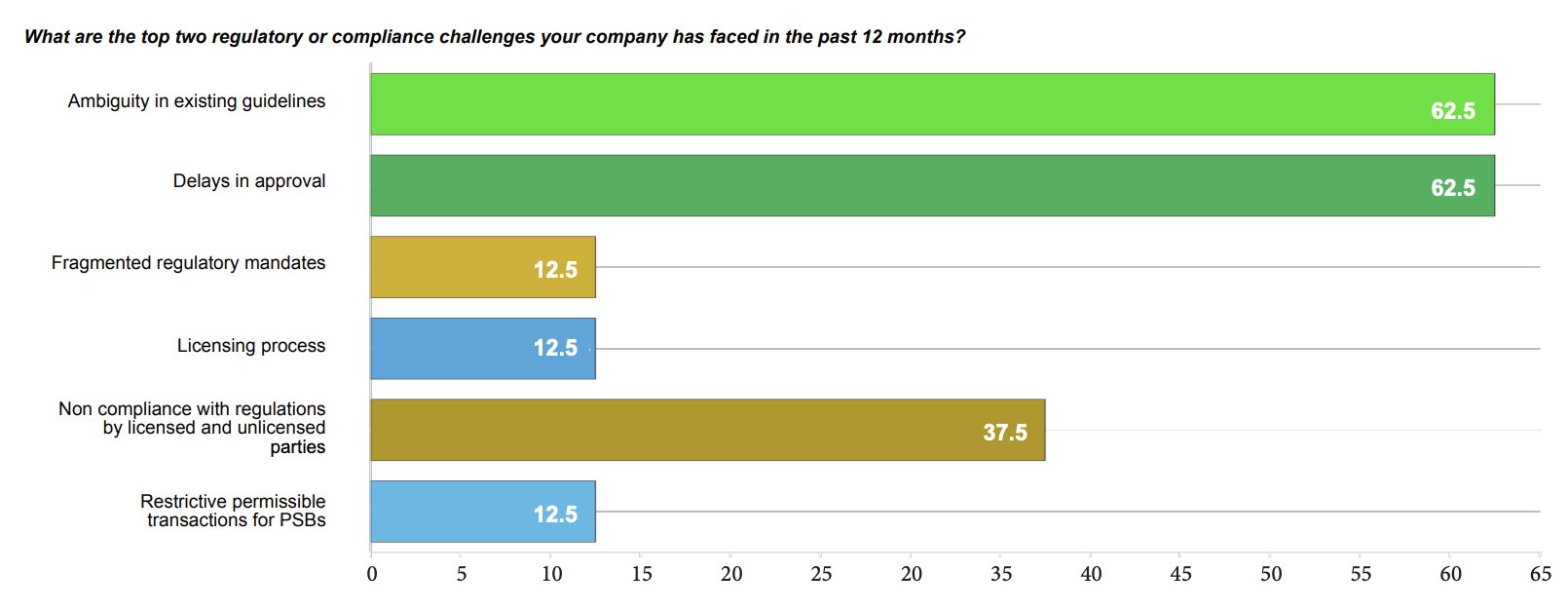
62.5% of surveyed respondents cited delays in approvals and ambiguity in regulatory guidelines as the chief constraints on product development and innovation timelines, with 37.5% of respondents reporting that it can take over a year to bring new products to market.
Compliance-related expenditure also weigh heavily on innovation capacity. 87.5% of the surveyed stakeholders indicated that costs tied to fraud controls, cybersecurity investments, and anti-money laundering and countering the financing of terrorism (AML/CFT) infrastructure significantly affect their operations.
Overall, half of the participants described the regulatory environment as supportive to fintech innovation, while the other half viewed it as restrictive. This underscores a split perception of progress versus remaining gaps.
Stakeholders advocated for a centralized channel to streamline engagement across multiple regulatory domains. This is particularly relevant considering that fintech innovations can have a cross-sectoral impact.
5% supported this proposal, emphasizing the desire for simplified and efficient supervisory engagement. These supporters believe such a mechanism can reduce friction, accelerate time‑to‑market, and improve coordination across governmental agencies.
Source link