
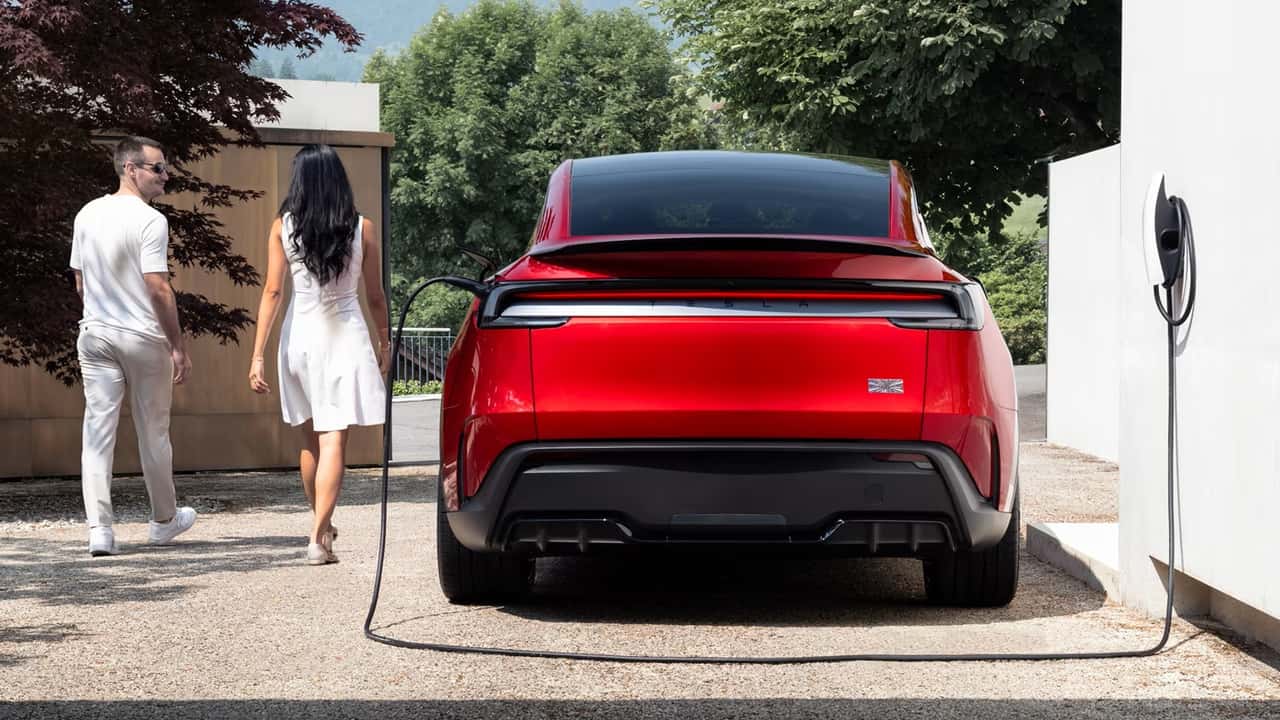
Everybody knows that electric cars are more efficient than combustion vehicles, but what some new owners might not know is that EVs sometimes have a hidden cost. When you plug in at home, which is usually the best and most cost-effective way to charge an EV, a portion of the energy coming out of the charger doesn’t go to the high-voltage battery.
In other words, let’s say the energy meter recorded that 30 kilowatt-hours of energy were used during a top-up. However, the car might say that it only received 27 kWh, which is also true, but the owner still has to pay for the full 30 kWh.
The difference between what the meter recorded and what went into the traction battery is known as charging losses, and some EVs are better than others at minimizing them, as Germany’s ADAC found after testing five different models from competing brands. The respected car club also found a solution to keep costs down that applies to all electric cars.
According to the ADAC, using a high-powered home charger can pay for itself over time because the higher output resulted in lower charging losses on all of the EVs it tested. At the same time, using a mobile charger that plugs directly into a household outlet might be good in an emergency, but the energy bills will be higher because using lower-powered chargers results in higher charging losses.
1 kW, and one with a high-powered home charger that could output either 11 kW or 22 kW.
Source link




![Lucid launches ‘America’s most powerful 3-row SUV’ with over 1,000 hp [Images]](https://startupnews-media-2026.s3.us-east-1.amazonaws.com/startupnews-in/uploads/2026/08/rss-mt8yop37-4krxg1-2.webp?X-Amz-Algorithm=AWS4-HMAC-SHA256&X-Amz-Content-Sha256=UNSIGNED-PAYLOAD&X-Amz-Credential=AKIAZQ3DRHCSCL44VIMT%2F20260825%2Fus-east-1%2Fs3%2Faws4_request&X-Amz-Date=20260825T185408Z&X-Amz-Expires=604800&X-Amz-Signature=2f860a8a9dde25f08e37ba4f375c57353dfe3618211b579392144577c051ee60&X-Amz-SignedHeaders=host&x-amz-checksum-mode=ENABLED&x-id=GetObject)