The rise of artificial intelligence is riding on the back of an enormous data center expansion. Data centers are projected to account for anywhere from 9 to 17 percent of total electricity usage in the U.S. by the end of the decade. Today, around a third of data center electricity is devoted to cooling the chips that run AI models.
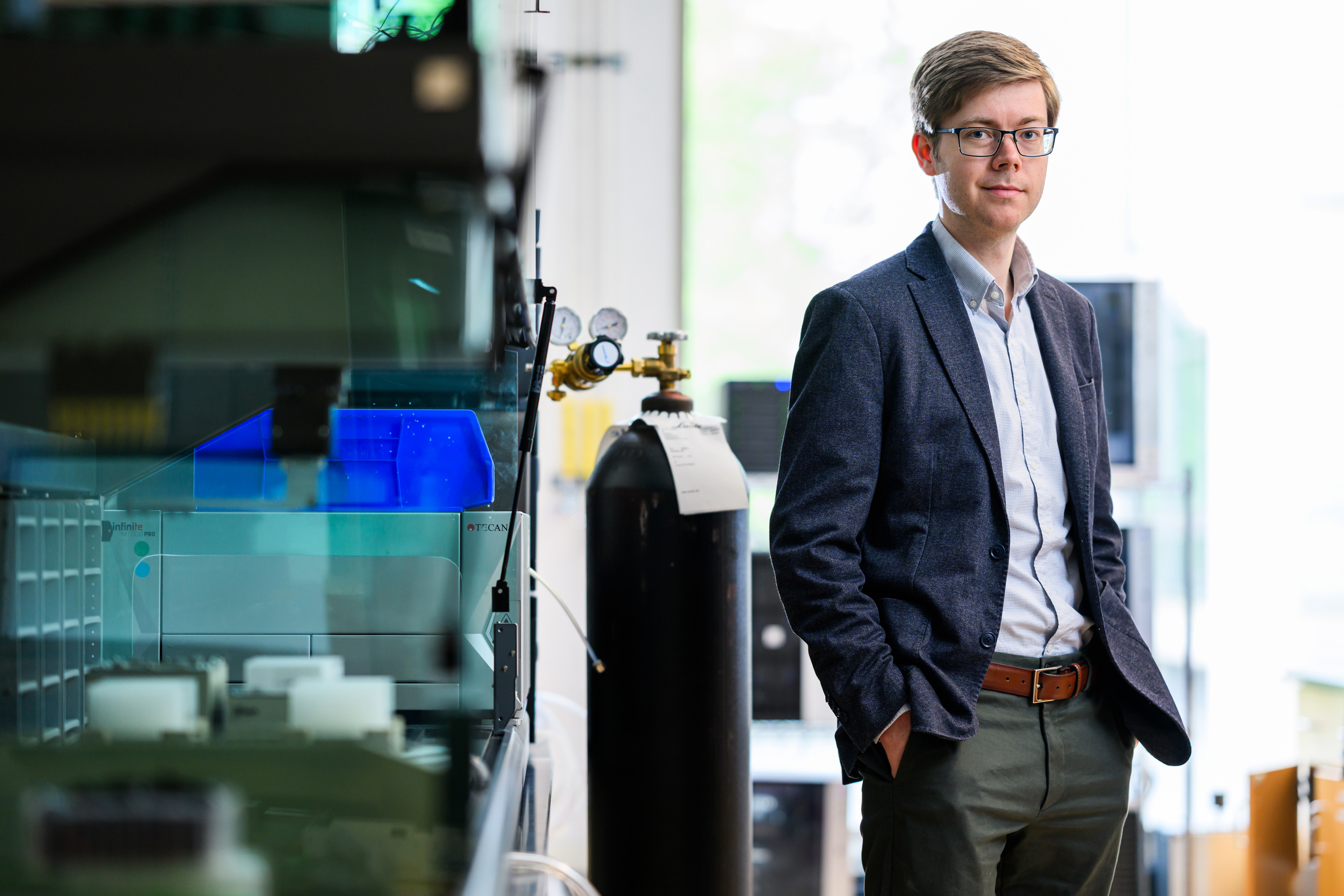
That’s the process Ferveret is working to make more efficient. The startup, founded by Reza Azizian, a former MIT postdoc in nuclear engineering, and Matteo Bucci, MIT’s Esther and Harold E. Edgerton Associate Professor in the Department of Nuclear Science and Engineering, is adapting an approach from nuclear reactors to cool chips using no water and significantly less electricity.
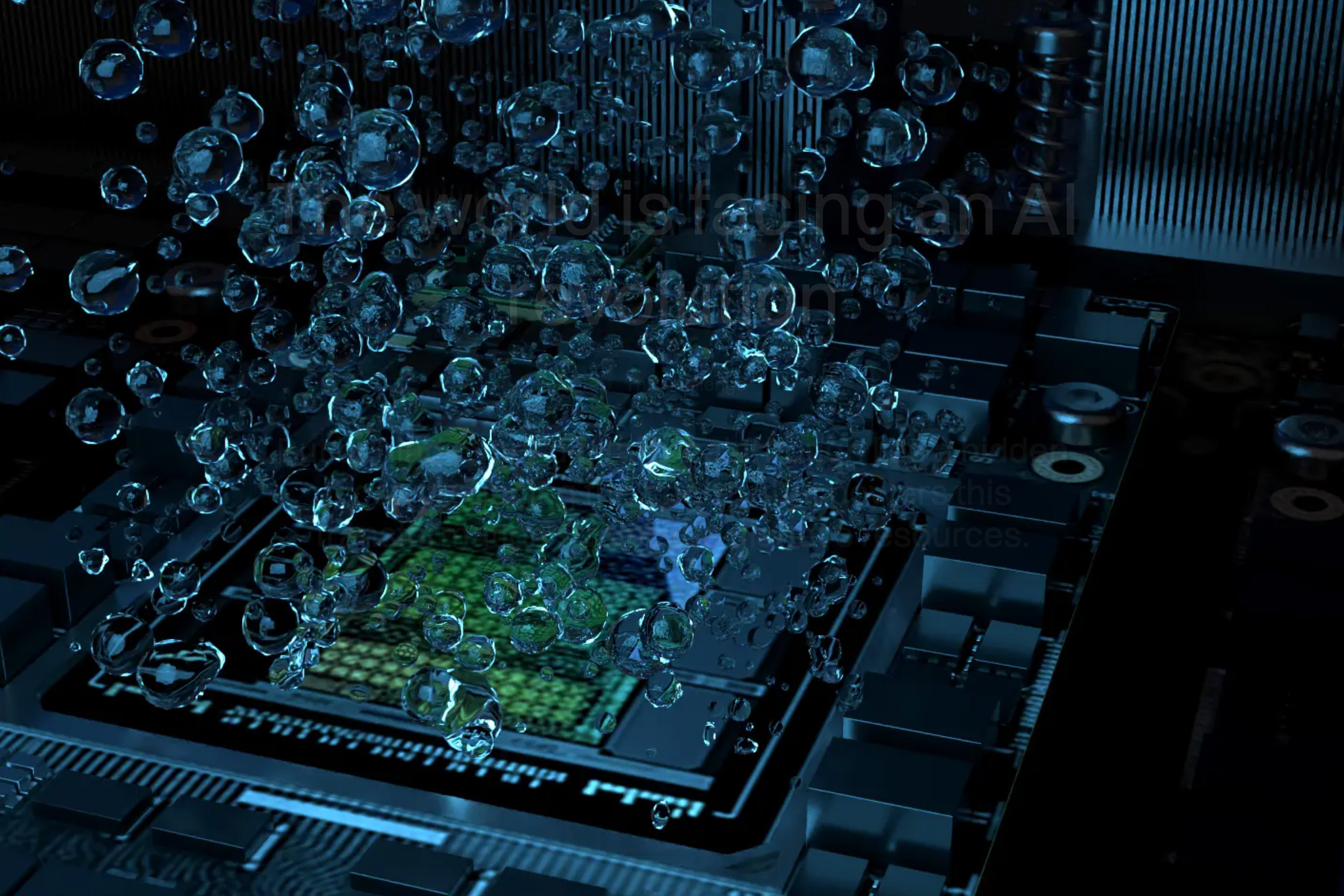
The company’s cooling system submerges computer servers in a specialized liquid that absorbs heat much more efficiently than air from a fan. What makes the solution different from other liquid cooling systems are the bubbles: Ferveret’s Adaptive Phase Cooling (APC) solution produces much smaller bubbles at the surface of the server, which detach more frequently, accelerating the heat transfer process.
Ferveret is already testing its solutions with companies including CleanSpark, the data center developer and operator, as well as FuriosaAI, an AI accelerator company, and Switch, one of the largest data center operators in the U.S.
In a recent study in collaboration with the Samueli Computer Science Department at the University of California at Los Angeles, Ferveret found its APC solution led to a 15 percent improvement in computational power efficiency compared to state-of-the-art liquid cooling solutions.
Source link